Editorialist curates luxury gift ideas across beauty, jewelry and design
Luxury gifting now feels more accessible: Editorialist breaks its edit into beauty, jewelry and designer picks, with price filters from under $50 to under $500.
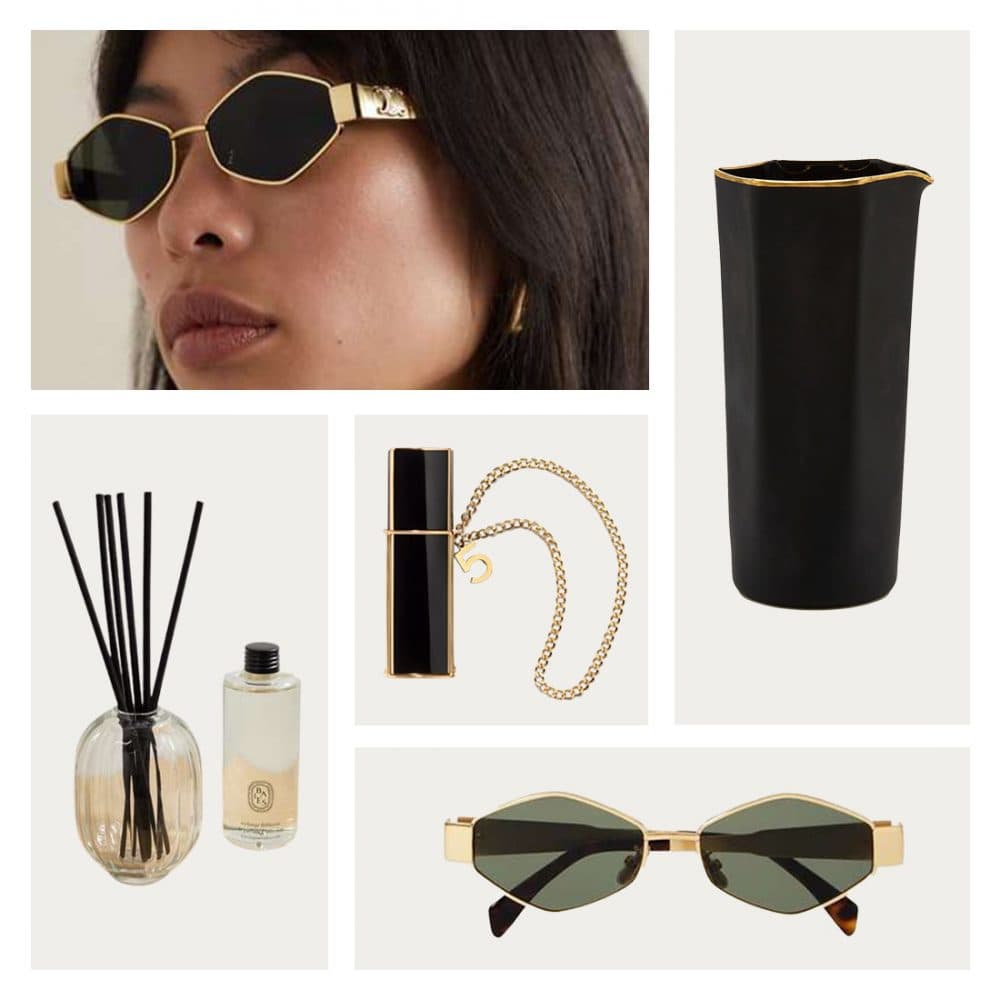
Luxury gifting is getting more precise
Luxury gifting has moved away from the old idea that thoughtfulness has to arrive with a dramatic price tag. Editorialist’s gift-guides hub captures that shift neatly: it frames giving through a high-end lens, but gives shoppers clear ways to enter the category at under $50, under $200, and under $500. That structure matters because it solves the modern gifting problem in one move: how to buy something that feels polished and intentional without defaulting to a full splurge.
The editorial win here is not just the luxury label. It is the way the hub turns aspiration into a set of usable choices. Instead of treating beauty, jewelry, and designer gifts as separate shopping silos, Editorialist places them in one curated environment, which makes the edit feel less like a product dump and more like a point of view. That cross-category approach is what makes the guide feel contemporary: the best gifts today often borrow the language of fashion, beauty, and design at once.
Why the category mix works
Beauty, jewelry, and designer gifts occupy different emotional registers, but they all serve the same goal: making the recipient feel considered. Beauty gifts are the easiest way to signal daily luxury, because they can be useful, compact, and personal without being overly intimate. Jewelry carries the most obvious symbolic weight, which is why it remains one of the strongest gifting categories for milestones, holidays, and celebrations that need to feel memorable. Designer gifts, meanwhile, bring in the visual and material cues of luxury, even when the spend stays relatively contained.
That combination makes the hub more useful than a broad, all-purpose gift roundup. The categories are specific enough to feel curated, but broad enough to cover different kinds of recipients and occasions. A shopper who wants something wearable, something indulgent, or something design-driven can all start in the same place and still end up with a gift that feels tailored.
The real appeal of the price filters
The price-point filters are where the guide becomes especially readable. Under $50 signals that luxury does not have to mean excess. Under $200 gives room for a stronger material story, a more elevated finish, or a gift that feels like a step up from the expected. Under $500 is where the edit can lean more fully into the designer world without forcing the buyer into the top end of the market.
That tiering reflects a larger shift in gifting culture. Shoppers are not only asking what looks expensive; they are asking what feels expensive in the right way. A smaller gift can still feel premium if the presentation is thoughtful and the object itself has a clear point of view. A more expensive gift can feel underwhelming if it is generic, while a well-chosen piece under $50 can feel remarkably luxurious if it is beautiful, useful, and clearly selected for one person in mind.
How the hub turns access into taste
The best part of this kind of curation is that it lowers the barrier to entry without flattening the aesthetic. Editorialist’s structure suggests that luxury is no longer reserved for the biggest-ticket item in the room. It can live in a beauty product that feels indulgent on a vanity, a piece of jewelry that reads as refined rather than flashy, or a designer object that adds polish to everyday life.
That is what makes the edit feel relevant for holiday gifting in particular. The season tends to push people toward overbuying or overthinking, but a guide built around specific categories and clear spending bands makes the process calmer. It replaces the pressure to impress with a more useful question: what kind of luxury will the recipient actually use, wear, or keep visible?
What this says about the new luxury buyer
This model of gifting points to a buyer who is still drawn to aspiration, but no longer interested in waste. The appeal is not simply access to high-end names; it is access to a luxury aesthetic that can be scaled to the occasion. That is why the under-$50 and under-$200 lanes matter so much. They let the shopper participate in the same visual language as higher-end purchases while staying grounded in budget and intent.
For beauty, that can mean something small but beautifully chosen, the kind of item that makes an ordinary routine feel considered. For jewelry, it can mean a piece that reads as an entry into a more elevated wardrobe rather than a one-off purchase. For designer categories, it can mean giving something that looks and feels premium without requiring the largest possible spend. The result is a gift strategy that feels more intelligent than extravagant.
A smarter way to shop the holiday season
What Editorialist’s gift-guides hub gets right is that it treats luxury as a set of decisions, not a single price point. The beauty, jewelry, and designer categories create the editorial frame; the under-$50, under-$200, and under-$500 filters make that frame usable. Together, they reflect a more disciplined way of shopping, one where the best gift is not the most expensive object on the page, but the one that lands with the most clarity.
That is the new luxury code: less noise, more intention, and a sharper sense of how to buy beautifully without overspending.
This article was produced by Prism’s automated news system from verified source data, official records, and press releases, then run through automated quality and moderation checks before publishing. The system is built and supervised by the people who set the standards it runs under. Read our full AI policy.
Did this article answer your question?


