Emily Post’s holiday gifting guide for awkward moments and houseguests
Emily Post’s holiday rules take the panic out of houseguest gifts, awkward thank-yous and re-gifting before the family dinner even starts.
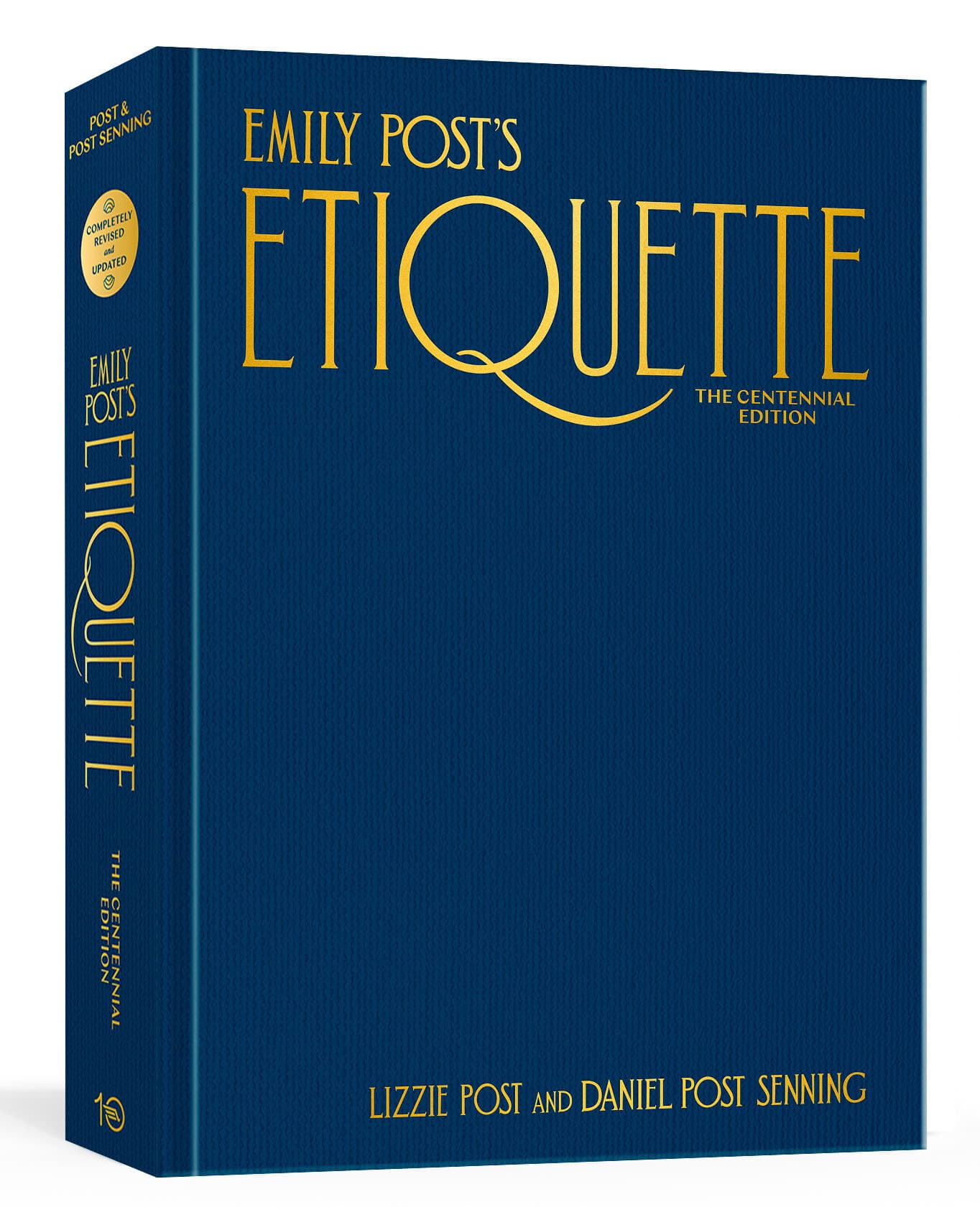
The National Retail Federation projected U.S. consumers would spend an average of $890.49 per person on holiday gifts, food, decorations and other seasonal items in 2025. It also found that 91% of adults planned to celebrate winter holidays such as Christmas, Hanukkah or Kwanzaa, which means more homes to enter, more presents to open, and more chances to say the wrong thing. The Emily Post Institute, a fifth-generation family business, has promoted etiquette based on “consideration, respect and honesty” since Emily Post published Etiquette in 1922, and that old structure still works for the most uncomfortable moments of the season.
When a gift is expected
Houseguest gifting is the cleanest place to start because the rule is so simple: bring something. Houseguests should give a thank-you gift on arrival, during the stay, or afterward, and two easy choices are dinner out during the visit or groceries plus making dinner one night. For a short overnight stay, a bottle like Buttercream Chardonnay at $12.99 is an easy thank-you; for a longer stay, a more substantial gesture like Teleflora’s Holiday Joy Bouquet at $54.99 feels appropriately warmer.
- Do keep the gesture proportional to the visit. One night calls for a modest, useful thank-you, while a week in someone’s guest room calls for something with a little more heft, like taking everyone to dinner or covering groceries for a home-cooked meal.
- Don’t overthink the performance of gratitude. The gift can arrive at the door, mid-stay, or after you leave, so you are not failing if the offering is not wrapped in ribbons and ceremony.
The easiest script is also the least awkward. At the door, say: I brought a little thank-you for having me. If you are staying longer, say: I’d love to take you out to dinner while I’m here, or I can make dinner one night and handle the groceries. That gives the host an actual plan.
A written note still matters here, especially when you did not get a chance to say thanks in person. Emily Post says, “It’s never wrong to send a written thank you.” Handwritten versions are warmer and more special than other forms of thanks. The rule of thumb is to send one any time you receive a gift and the giver was not there in person, which makes it especially useful after a holiday stay, a meal, or a long weekend with relatives.
When the present misses the mark
The right response to a bad gift is almost always the same: be gracious first, fix it later. Issue a warm thank-you even when the gift is a duplicate or simply not you, because the person did spend money and thought on it, even if the result is a miss. If the item is easy to return and you already have it, it is alright to exchange it without the giver’s knowledge.
- Do keep your face neutral and your words kind. Say: Thank you so much, that was thoughtful of you. Then move on.
- Don’t point out the duplicate, the wrong size, or the fact that it is not your taste in the moment. The last thing you want to do is hurt the giver’s feelings.
The same rule works in family rooms, office parties, and friend-group exchanges. If your aunt gives you something you already own, the script is simple: thank you, that was so kind of you, and then let the exchange happen quietly later if it needs to. If a coworker hands you a gift you will never use, keep the tone flat and generous: This is very kind, thank you for thinking of me.
When re-gifting crosses the line
Re-gifting is where people most often convince themselves they are being resourceful when they are actually being careless. It should be rare, limited to brand-new items in original packaging with instructions, and never used for handmade or personalized gifts. It also crosses the line when the original giver and the new recipient know each other, because that is where embarrassment and hurt feelings start.
- Do ask one blunt question before you pass anything along: would I buy this for the new recipient today? If the answer is no, keep it out of circulation.
- Don’t use re-gifting as a clean-out strategy for the random surplus of stuff that has built up in your house. The practice is acceptable only when it is respectful, considerate, and honest.
That means a brand-new candle in a sealed box can sometimes work, but the personalized monogrammed mug from a cousin or the handmade scarf from a friend is off-limits forever. If you are ever tempted to explain the item’s backstory, that is already your answer.
The Emily Post Institute still updates this advice for modern life, and Lizzie Post and Daniel Post Senning discuss it in a weekly podcast.
This article was produced by Prism’s automated news system from verified source data, official records, and press releases, then run through automated quality and moderation checks before publishing. The system is built and supervised by the people who set the standards it runs under. Read our full AI policy.
Did this article answer your question?


