Nostalgic stationery trends tap into holiday shoppers’ love of analog gifts
Holiday shoppers are treating cards, notebooks and journals like memory keepsakes, and the retro look is turning paper goods into the season’s most personal gift.
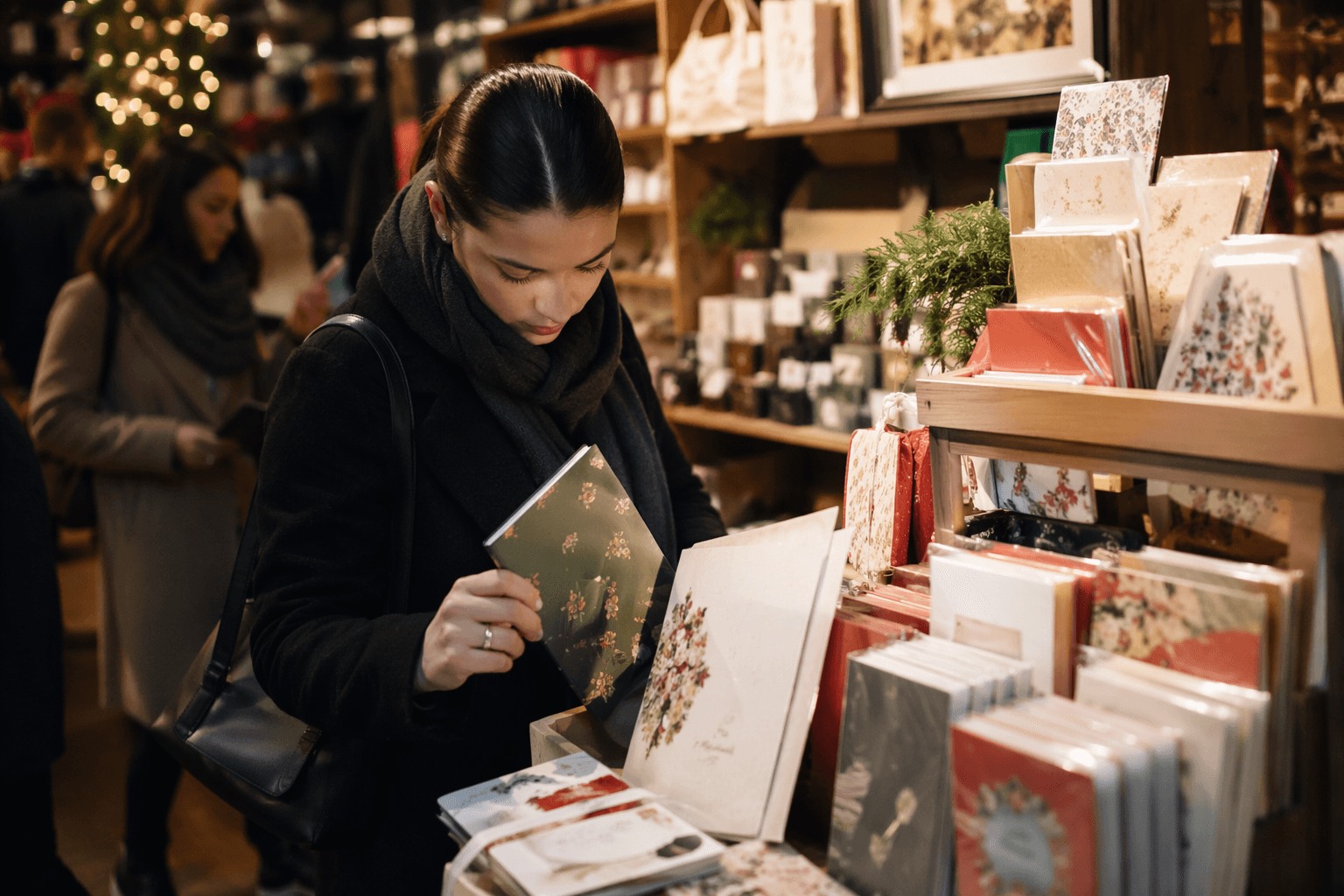
Why nostalgia is winning the holiday cart
A box of Christmas cards now sits inside a holiday market the National Retail Federation expects to cross $1 trillion for the first time, with November and December sales projected between $1.01 trillion and $1.02 trillion. The average consumer is budgeting $890.49 for gifts, food, decorations and other seasonal spending, which helps explain why smaller, more intimate paper gifts are finding room beside the obvious splurges. Black Friday and Cyber Monday still anchor the season, but the real shift is that shoppers want gifts that feel thoughtful, not just plentiful.
That is where nostalgic stationery has slipped into the conversation. Greeting cards, journals and notepads are leaning into memory-lane aesthetics because they give buyers something the holidays often lack: a gift that feels personal at first glance and even more personal once it is used. In a season built on family traditions and gift-giving, the appeal is not only what these objects look like, but how they behave in the hand, on a desk and in an envelope.
The retro cues that are doing the selling
The clearest visual code is vintage, but not in a dusty way. The look that is moving now pulls from black-and-white photos, muted florals, 1990s brights and Y2K metallics, a mix that reads like a scrapbook of different eras rather than a strict retro reenactment. That breadth matters because it gives shoppers more than one emotional entry point, from quiet and classic to loud and playful.
- Black-and-white photos tap into the feeling of family archives, old holiday albums and inherited boxes of keepsakes.
- Muted florals soften the category and make stationery feel more like an heirloom object than a school supply.
- 1990s brights bring energy back into cards and notepads, which makes them easier to gift to someone who likes color and humor.
- Y2K metallics add a little shine without pushing the category into anything overly precious.
That range is exactly why the trend photographs so well and why it feels sharable in real life. A notebook with a vintage-inspired cover or a boxed card set with nostalgic artwork reads instantly in a stack of gifts, on a kitchen counter or on a holiday desk, which gives it the kind of visual clarity that more generic gifts rarely have.
Why analog feels luxurious now
Forbes framed stationery-core as part of a broader cultural shift toward analogue in response to digital overload, and that idea explains a lot about the category’s momentum. Writing instruments, notebooks and planners are no longer treated as plain utilities; they have become lifestyle objects that signal taste, intention and a slower pace of thinking. When everything else is slipping into the inbox, paper feels deliberately chosen.
Pinterest’s 2025 Fall Trend Report adds another layer to the story. Shoppers are leaning toward one-of-a-kind pieces that tell personal stories while keeping planet and budget in mind, which makes stationery especially well positioned for holiday gifting. A notepad or journal is practical, but it also says something about the giver: that they paid attention, that they chose a physical object on purpose, and that they understand the recipient might want a little more ritual in daily life.
That is also why the category works so well as a conversation starter. A beautiful card set can be opened, admired, set aside and used immediately, which gives it more social mileage than many gifts with a higher price tag. It feels easy to receive, easy to explain and easy to remember.
The category still has real market weight
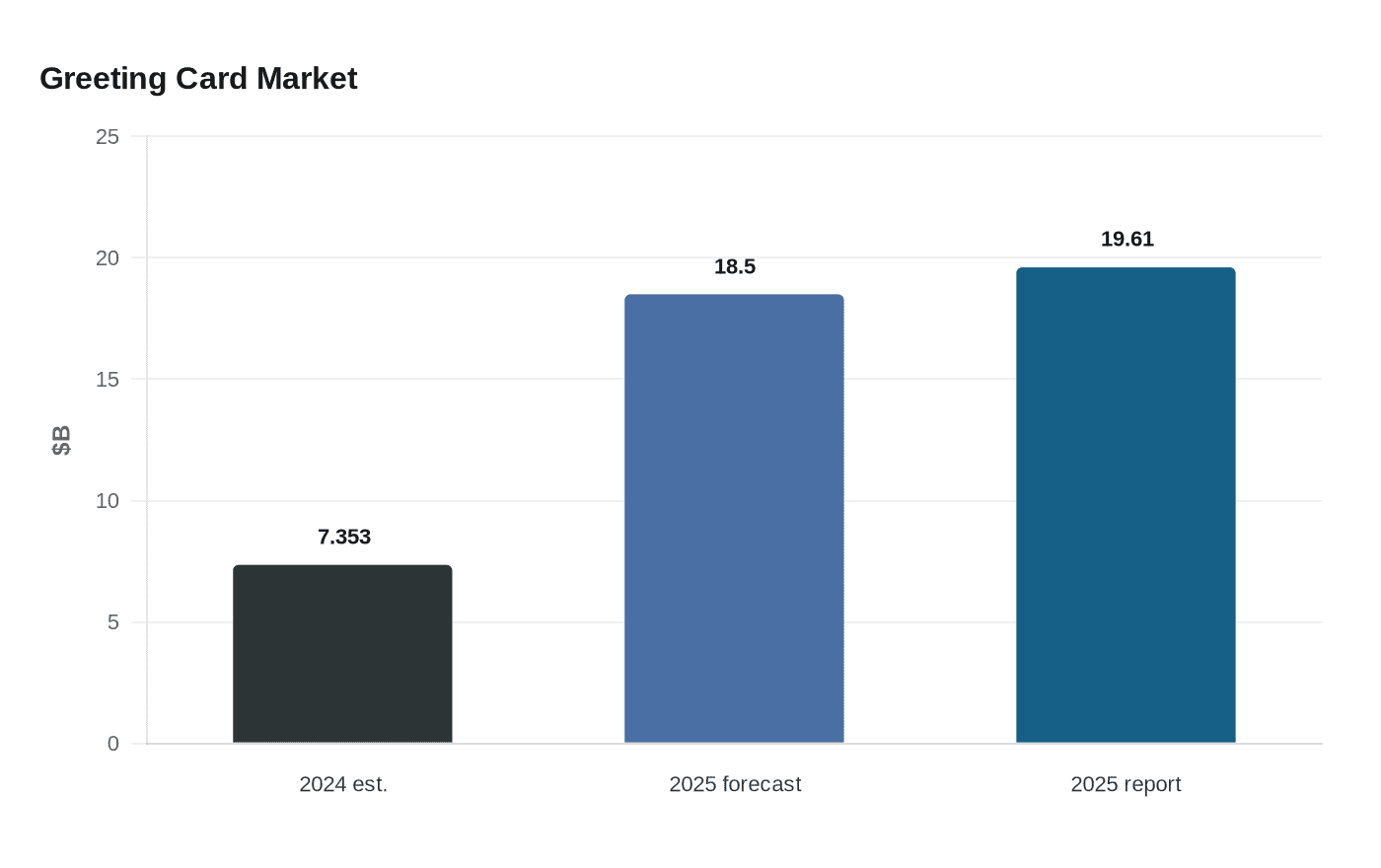
The nostalgia story is not just aesthetic, it is commercial. One market estimate valued the global greeting card market at $7.353 billion in 2024, while another 2025 forecast placed it at $18.5 billion, and a different 2025 report put it as high as $19.61 billion. The spread in those figures shows how differently the category is measured, but it also confirms that greeting cards are still big enough to matter, especially when legacy brands and specialty sellers are refreshing the look.
Hallmark has already made the mood tangible with nostalgic artwork boxed Christmas cards featuring six assorted vintage designs. That kind of assortment does two useful things at once: it turns sentiment into something ready to gift, and it lets the buyer choose a design language that matches the recipient without needing full customization. It is a smart translation of the trend because it takes a broad emotional idea, memory, and gives it a clean retail shape.
The same logic is showing up in holiday gift guides and at specialty stationery retailers, where paper goods have become a dependable answer to the annual question of what to give when you want something personal but not overcomplicated. The category works because it sits in the middle of several shopper priorities at once: tradition, usefulness, visual charm and price discipline.
How to choose stationery that feels considered
The best stationery gifts do not try to do everything. They work when the retro cue, the format and the recipient line up cleanly, so the object feels like a small extension of the person opening it. A boxed card set makes the most sense for someone who still writes notes, hosts often or likes to keep a supply on hand for the season. Journals and planners land best with recipients who like a fresh start and appreciate objects that can live on a desk without looking purely functional.
A good shorthand for choosing is simple:
- Pick black-and-white or muted floral designs for someone with a more classic eye.
- Pick 1990s brights or metallics for a recipient who likes personality and a little visual surprise.
- Pick boxed cards when you want something polished and immediately giftable.
- Pick notebooks or planners when you want the present to keep working long after the wrapping comes off.
Nostalgic stationery is selling because it turns a familiar object into a memory trigger. In a season crowded with louder, pricier gifts, that kind of quiet specificity feels rare, and that is exactly why it stands out.
This article was produced by Prism’s automated news system from verified source data, official records, and press releases, then run through automated quality and moderation checks before publishing. The system is built and supervised by the people who set the standards it runs under. Read our full AI policy.
Did this article answer your question?


