Passover 2026 guide, key dates, seder rituals, gifts and etiquette
Passover hosting is where etiquette matters most: the right gift, the right timing, and the right table ritual save you from awkward mistakes.
Key dates to know
Passover 2026 begins before sundown on Wednesday, April 1, and ends after nightfall on Thursday, April 9. It starts on the 15th day of Nisan, which is why the date shifts each year, and it is observed for seven or eight days depending on community practice. The first seder falls on the first night for Reform Jews and Jews in Israel, and on the first and second nights for other Jewish groups.
That Wednesday evening is the real line in the sand. By then, observant households are deep into the work of clearing chametz, setting up kosher-for-Passover kitchens, and getting the table ready for the ritual meal that follows. If you are hosting, the holiday does not begin with dinner. It begins with a house that has already been scrubbed, sorted, cooked, and reset.
Why the seder matters so much
Passover is a commemorative holiday about the Exodus from Egypt and the liberation of the Israelites from slavery, so the seder is not just a meal, it is the telling of that story. The Haggadah is the guidebook, and the whole evening is built to move people through memory, conversation, ritual food, and song in a fixed order. That is why the seder can feel both intimate and high-stakes at the same time.
The seder is a 15-step ritual feast, and the structure is what keeps everyone oriented. You drink four cups of wine, eat matzah and bitter herbs, and retell the Exodus in a way that is meant to be participatory rather than passive. If you have never been to one, expect a dinner that unfolds like a ceremony, not a standard seated meal.
What sits on the seder table
The seder plate is the centerpiece of the table, and it traditionally holds five or six symbolic items. Depending on the household, you will see matzah, bitter herbs, charoset, an egg, a shank bone, salt water, and greens. The point is not decoration. Every item is there to pull the story of slavery, freedom, tears, and renewal into the room.
Some pieces are especially memorable. The matzah is central because it is eaten during the seder, the bitter herbs bring the hardship of the story onto the palate, and the afikoman is a hidden piece of matzah saved for later in the evening. That little bit of suspense, especially for children, is one reason the seder has so much staying power.
What to bring, and what not to
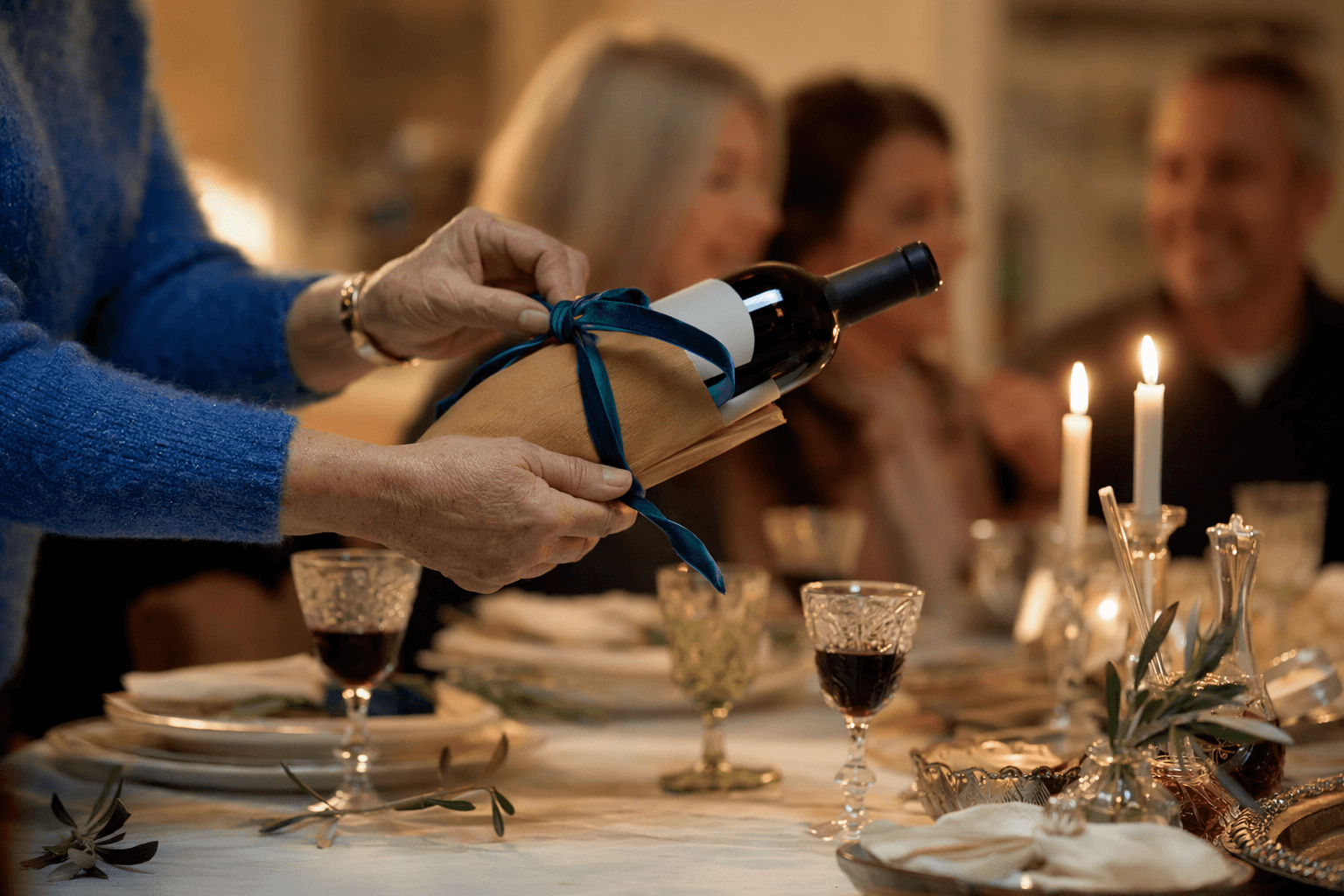
Do not bring a surprise food gift unless the host specifically asked for it. Passover food rules vary by household, and even something that feels thoughtful can create a problem if it does not fit the kitchen’s standards. The safest options are fresh whole fruit, flowers, or a Passover recipe book, because they feel generous without forcing anyone to second-guess ingredients or utensils.
If you want a gift that actually helps, bring a cookbook. Barnes & Noble currently lists *Matzo: 35 Recipes for Passover and All Year Long* at $16.99 in hardcover, *The New Passover Menu* at $24.95 in hardcover, and *The New York Times Passover Cookbook* at $27.00 in hardcover. That is the sweet spot for a host who is cooking through the holiday, not just one night, and it feels more considered than a generic candle or bottle you grabbed on the way over.
Flowers are the easiest elegant fallback, and 1-800-Flowers is listing bouquet options starting at $39.99. If you want a more substantial edible gift that still stays safely in the lane of “thoughtful, not invasive,” Harry & David’s Triple Treat Classic Fruit basket is $49.99. I like fruit here because it reads festive and useful without colliding with the dietary rules that make Passover so specific.
How to be a good seder guest
If you are bringing someone who has never been to a seder, prepare them before they walk in the door. Many modern seders include interfaith family members and friends, and a little advance context helps everyone feel less lost once the Haggadah starts moving. Tell them the evening is participatory, that there will be repeated rituals and readings, and that they should expect wine, matzah, singing, and a lot of waiting for the next cue.
That kind of preparation matters because the seder is both structured and social. There are moments when everyone is reading, moments when everyone is eating, and moments when the host is guiding the room from one part of the story to the next. The best guests do not try to outshine the ritual. They follow it, stay patient, and let the table do what it is designed to do.
The meal itself
The meal is generous, but it is still inside a ritual frame. Matzah and bitter herbs stay at the center of the experience, and the four cups of wine move the evening forward in deliberate stages. The afikoman comes later, after the hidden matzah has done its work of keeping everyone alert and engaged.
What makes Passover so labor-intensive is also what makes it so meaningful. The cleaning, the cooking, the table setup, and the gift choices all have to respect the same underlying idea: this is a holiday built to remember freedom through structure. The most elegant thing you can bring to a seder is not a complicated dish or a flashy present. It is ease, preparation, and a gift that fits the rules of the room.
Know something we missed? Have a correction or additional information?
Submit a Tip