Passover Table Essentials That Elevate the Seder and Its Rituals
Passover hosting is all logistics and ritual, which is why the right matzah cover, afikomen bag, and serving pieces do more than decorate the table.
Passover hosting begins long before the first glass of wine. The holiday opens with a deep clean to remove hametz and often a kitchen koshering, which makes the seder table feel less like decoration and more like mission control for the year’s most elaborate meal.
In the Diaspora, including the United States, Passover 2026 runs from Wednesday, April 1, to Thursday, April 9, with the first seder after nightfall on April 1 and the second after nightfall on April 2. That timing matters because the table has to be ready for a ritual that unfolds over hours, with room for symbolic foods, books, drinks, and the people gathered around it.
Build around the table’s working center
The seder table is the central physical space around which the night unfolds, so every object on it needs to earn its place. My Jewish Learning and Ritualwell both emphasize that the table should still leave room for ritual items, wine or grape juice, flowers, and haggadot, which means the smartest setup is generous but not crowded.
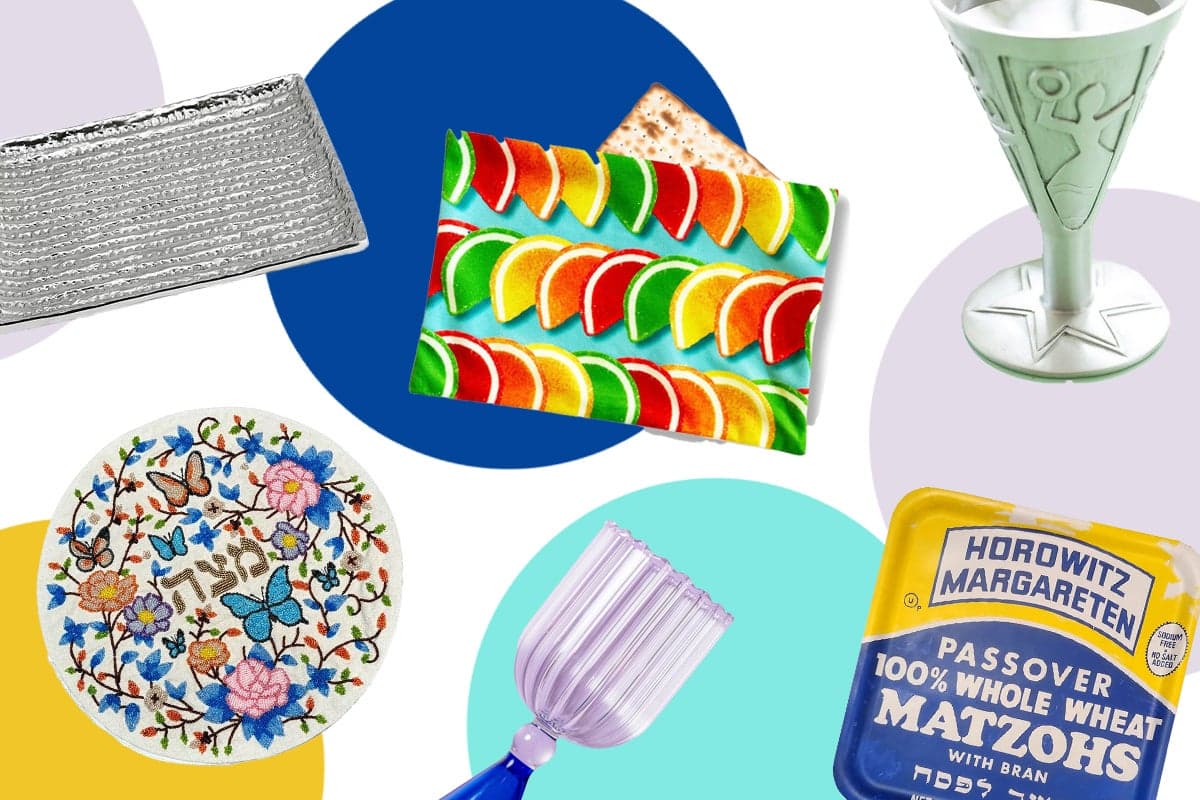
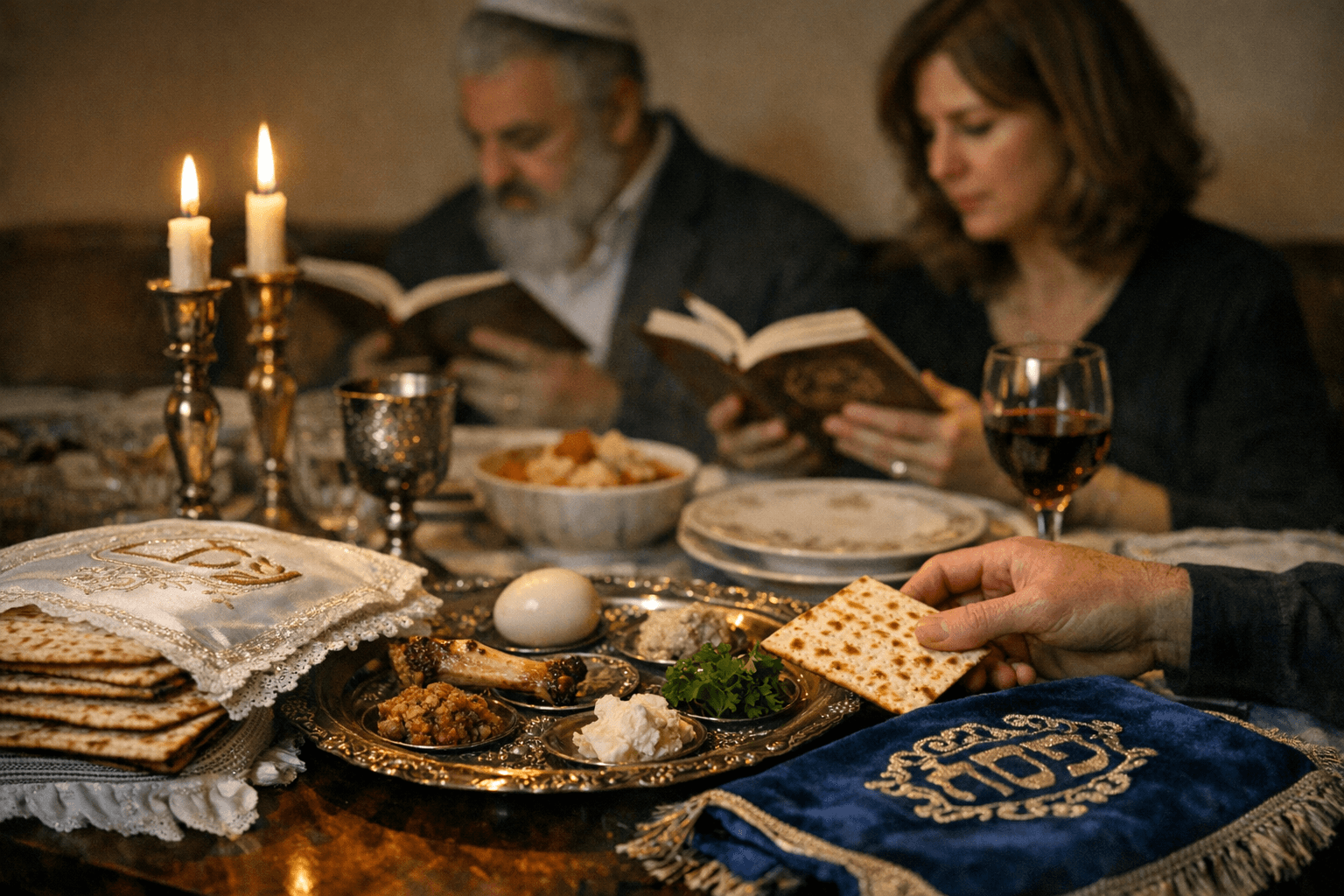
That is where a good matzah cover or covered matzah set becomes more than a nice textile. The center of the table needs to hold three covered matzahs, a seder plate, a bowl of salt water for dipping parsley, and a cup for Elijah, all without turning the meal into a balancing act. If you are buying for a host who sets a serious seder every year, this is where a thoughtful piece of Judaica feels most luxurious: it is used at the exact moment the ritual begins, and it stays in rotation for years.
For the host who likes order, a matzah cover is the most practical upgrade. It keeps the three matzahs presentable and visually signals that the seder is starting, while also making the table feel intentional instead of improvised. A plate or tray for the symbolic foods is equally useful because the seder plate typically includes matzah, bitter herbs, charoset, an egg, a shank bone, salt water, and greens. That is a lot of ritual meaning for one surface, so the form should be clear, sturdy, and easy to pass.
Choose pieces that make the ritual easier to handle
The best Passover gifts are the ones that reduce friction at the table. A well-made cup for Elijah, for example, does not have to be ornate to feel special, but it should stand out from the regular drinkware and sit comfortably among the other glasses. For hosts pouring wine or grape juice throughout the night, matching cups that are easy to hold and hard to tip are worth the investment because they support the pace of the seder instead of slowing it down.
Flowers belong on the table too, but only if they stay low. Ritualwell’s guidance is useful here: the table is already crowded with dishes, glasses, bottles of wine and grape juice, and haggadot, so a tall arrangement can become a visual obstacle as much as a decorative one. If you are giving something beautiful, choose something that lets guests see one another across the table and still leaves the ritual at the center.
This is the point where many hosts realize that Passover is less about adding more things than choosing the right ones. The seder table is not a place for oversized styling; it is a working surface for reading, pouring, dipping, and passing. That is why a simple, well-proportioned serving piece often matters more than a showpiece that looks good in a photo but disappears once the meal begins.
Do not overlook the afikomen
If one object captures the emotional side of the night, it is the afikomen bag or cloth wrap. At the seder, the middle of the three matzahs is broken, the larger half is hidden in a bag or wrapped in cloth, and later eaten as the final taste of the meal in remembrance of the paschal sacrifice. Some traditions hide it in a pillow or cushion, which is one of the reasons this piece makes such a meaningful gift for families.
This is also where Yehuda Shurpin’s explanation of the ritual resonates so well: the afikomen is not a side game, it is part of how the night holds attention, especially for children and multi-generational tables. A good afikomen holder should feel sturdy enough to survive year after year, because it becomes part of a family’s Passover memory, not just a container.
For households with young children, this is the most delightful thing to give. The hiding and finding of the afikomen gives the seder a playful rhythm without interrupting the seriousness of the meal, and the best bag or cloth can become a keepsake in its own right. If your style leans classic, choose something simple and durable. If the family likes a little ceremony, a pillow or cushion version can feel especially charming because it turns the hiding into a tactile ritual.
Spend where the ritual repeats, borrow where it does not
Some seder-planning guides explicitly encourage families to buy or borrow ritual objects they do not already own, and that advice is refreshingly practical. Not every host needs to own every item forever, especially if the table is set once a year and shared with family or friends who already have traditional pieces.
The smartest place to spend is on what gets touched the most and remembered the longest: a matzah cover, an afikomen bag or wrap, a cup for Elijah, and a serving piece that helps the table move smoothly from blessing to blessing. Skip anything that crowds the table or exists only for aesthetics. Oversized centerpieces, fragile novelty pieces, and one-night-only decor do not help a seder run better.
What makes Passover table essentials feel truly luxurious is not excess. It is precision, memory, and ease. The right objects make room for the rituals, respect the labor that went into the holiday, and let the evening feel orderly from the first covered matzah to the final taste of the afikomen.
Know something we missed? Have a correction or additional information?
Submit a Tip