The 2026 Gifting Edit: Top Trends Every Retailer Must Know
Gifting is shifting fast: the 10 trends reshaping 2026 retail go far beyond initials on a mug, from story-driven personalization to bold packaging that begs to be photographed.
The best gift-givers are not the ones with the biggest budgets. They are the ones paying attention. Across wholesale buying floors, editorial trend reports, and the group chats where real purchase decisions get made, 2026 is shaping up as a year when shoppers reward retailers who take gifting seriously and punish those who treat it as an afterthought. Whether you are building a holiday floor plan, curating a Secret Santa price-point range, or selecting host gifts for a boutique's seasonal edit, these are the ten trends that separate a forgettable shelf from one that sells out by December.
1. Personalised & Meaningful Gifting
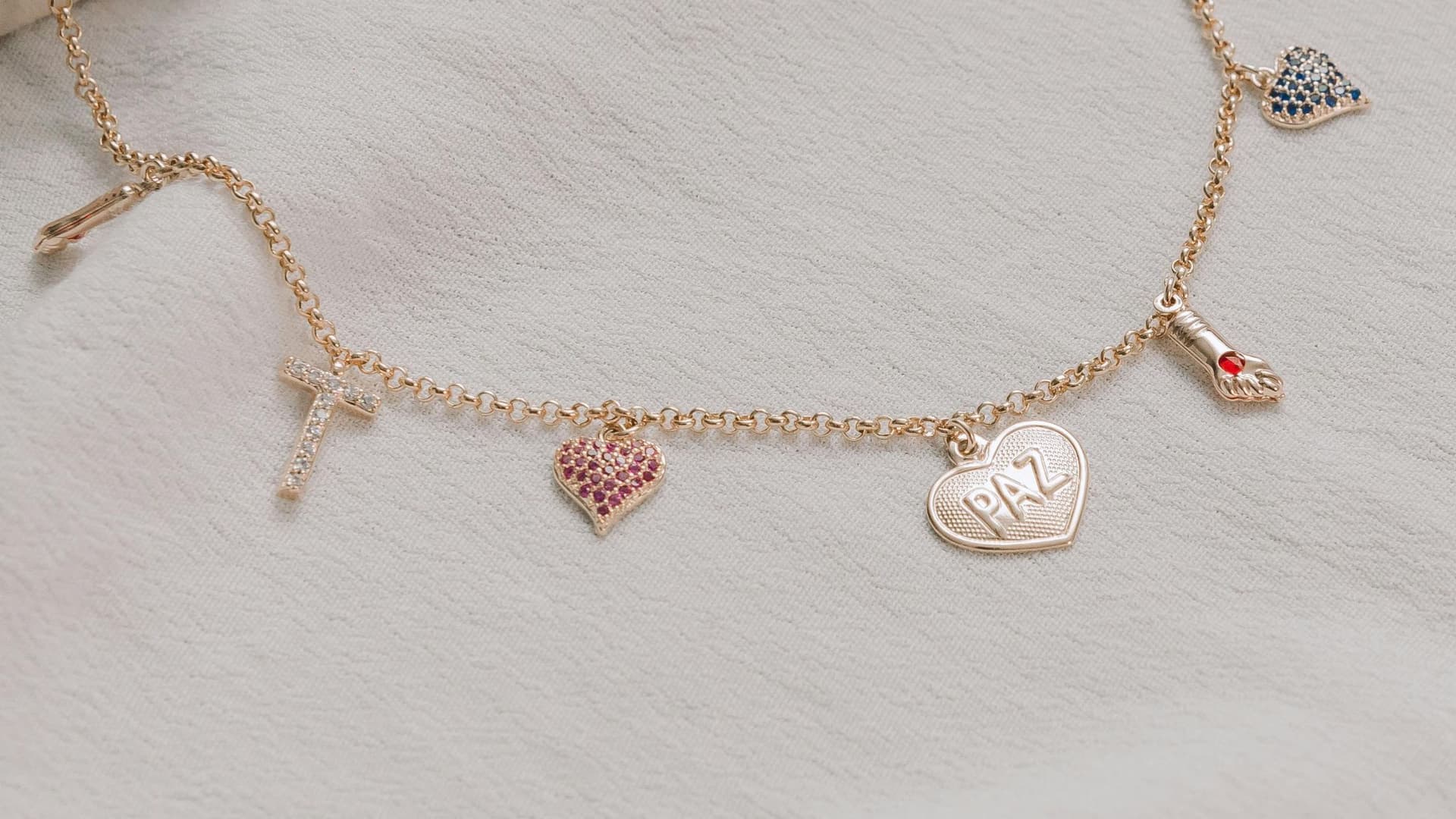
The era of slapping initials on everything is over. Photo books and engraved jewelry consistently rank as the two most-gifted personalized items, with photo books having the edge for sentimental impact because they tell a story rather than mark a single moment. The upgrade for 2026 is story-driven customization: the New York Times custom football book lets sports lovers select a team and retrace its history through reprinted coverage, while custom map prints from services like Grafomap let recipients customize style, colors, and pin location, coming in around $50 to $90 framed. For office Secret Santa, this category works especially well for people who are hard to shop for because it is personal without being sentimental in a way that might feel awkward. Share hook: personalization is now table stakes, but the retailers winning gift spend are those offering it in under three clicks.
2. Sustainability Reimagined
Sustainability in gifting has moved from niche to non-negotiable, and the shoppers driving that shift are not forgiving of greenwashing. Sustainable gifting is a defining movement in 2026, with companies increasingly selecting meaningful gifts that reflect environmental stewardship and resonate with eco-conscious recipients. The most practical interpretation is low-waste and transparent: multi-use, waterless beauty formulas that cut down on waste and packaging, packaged in recyclable aluminum and PCR materials, are outperforming single-use bath sets across gift categories. When you improve someone's living space, your brand stays top-of-mind in the best possible way, which is why handcrafted wooden serving trays and natural fiber storage baskets are landing in premium gift ranges. For extended-family gifting occasions, a sustainable option tells the recipient you thought about the earth, not just the checkout.
3. Wellness, Calm & Self-Care
The wellness category has stopped being about exercise equipment and started being about ritual. Customizable gifts feel more meaningful and show extra effort, and a gift that gets used regularly will be appreciated far more than something that sits on a shelf, which is exactly why aromatherapy sets, sleep kits, and ritual-based bath collections are outperforming generic hampers. A cozy winter office gifting theme focuses on gifts that provide comfort and warmth during the colder months, perfect for unwinding after a long workday or staying cozy at a desk. Price the entry tier at $25 to $40 (a single sleep mist or candle set), mid at $60 to $80 (a full ritual kit with journal and bath soak), and premium at $120 and above for a curated wellness box. This is the safest bet for host gifts: comforting, usable, and impossible to get wrong.
4. Tech-Enabled Everyday Helpers
The key word in this trend is "helpers," not "gadgets." Professionals in 2026 expect gifts to be as high-performing as the tools they use for work, and investing in premium technology like noise-canceling earbuds or portable power stations shows a serious commitment to the recipient's daily productivity. These items are rarely discarded, ensuring that your brand remains part of the employee's daily professional ritual for years to come. The sweet spot for retail is practical smart devices under $100: by offering tech-focused wish list options, shoppers can ensure they receive useful gadgets that suit their work environment and lifestyle. Think compact wireless chargers, foldable phone stands, and smart LED desk lamps rather than novelty screens. For corporate gifting, this category delivers the highest perceived value per dollar spent.
5. Experience-Led & Subscription Gifts
Memories beat material goods. Experience gifts like cookery classes, workshops, hotel stays, and adventure days are rising, and subscription boxes offer ongoing joy through books, treats, craft kits, wellness items, or monthly flowers. Millennials and Gen Z prefer building experiences over accumulating objects, and that preference is reshaping what sits at the till. Experience gifts are a unique and exciting way to give more than just physical items, allowing recipients to enjoy memorable activities. For extended-family occasions like Hanukkah, a cooking class voucher or annual subscription that delivers eight times works as a gift that genuinely spans the eight nights. Share hook: gifting a subscription to a local florist or artisan bakery supports community business and costs the same as a middling candle.
6. Bold, Joyful Aesthetics
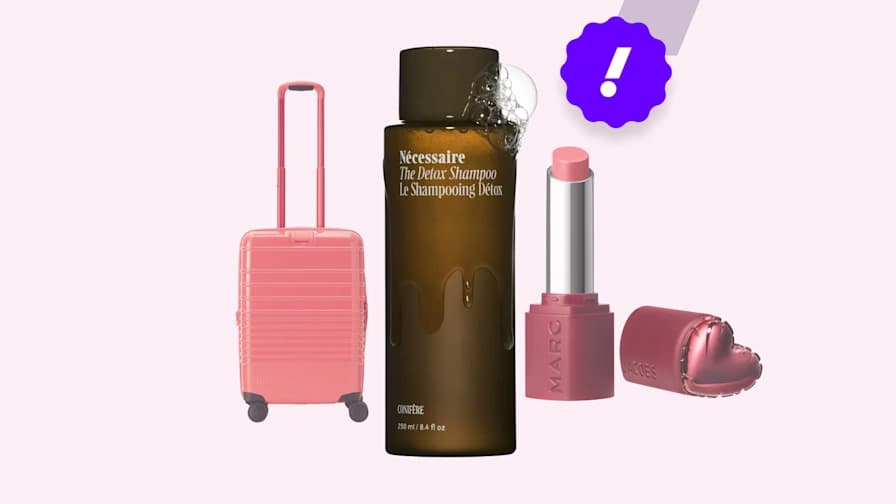
After several years of quiet beige, color is back with intent. Shoppers want uplifting, shareable moments, especially for social media, and packaging has answered that call. Brands like Ghia, Naked Dance, and Crown Affair's holiday sets embrace a "Future Nostalgia" direction, with designs incorporating surreal imagery, highly polished reflective materials, curvy and bold fonts, and even emoji-inspired graphic elements. Alt-History packaging pulls from a wider mix of historical references and reinterprets them through a modern lens, resulting in packaging that feels familiar enough to evoke nostalgia yet bold enough to stand out. For retailers, building colorful displays in high-traffic areas and stocking cheerful add-ons like patterned notebooks or bright mugs captures impulse spend that quiet-luxury adjacent products simply do not.
7. Curated Gift Sets & Thematic Bundles
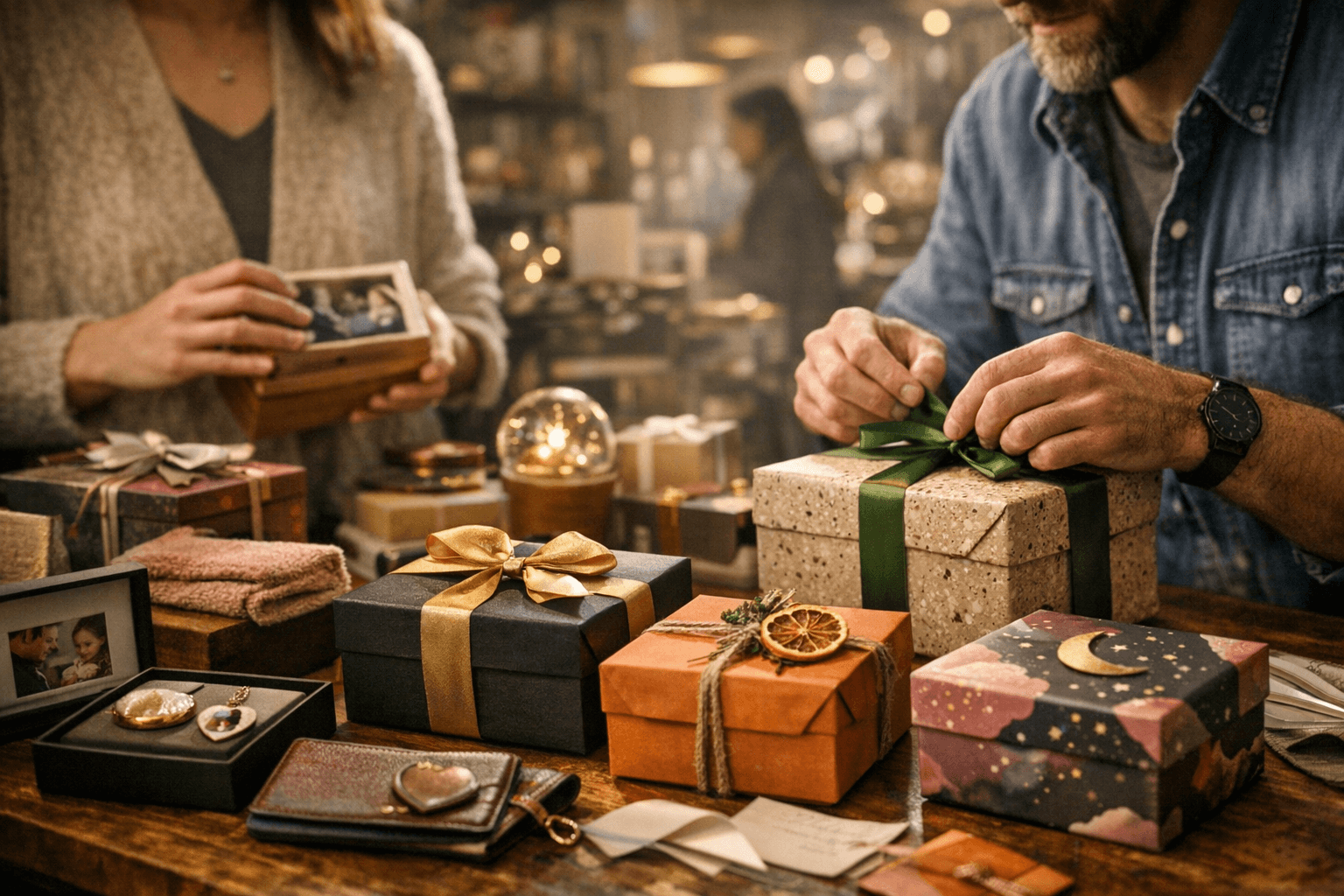
The single-product gift is losing ground to the considered bundle. Luxury gift boxes are trending for 2026, with curated sets combining premium items into unified themes such as wellness, culinary, travel, creativity, or office luxury, with carefully chosen combinations elevating the perceived value of the overall experience. Rather than sending a single object, the trend is moving toward gift boxes that provide a complete experience. The retailer's job is to do the editing: a "Sunday Morning" set (specialty coffee, a ceramic mug, a short-read book) priced at $55 lands more meaningfully than three equivalent items displayed separately. Bundle for the occasion, not just the category, and price at three clear tiers: under $40 for Secret Santa, $60 to $100 for family gifting, and $120 and above for host or corporate use.
8. Gourmet & Elevated Food and Drink Gifting
The artisan food category is punching well above its price point in 2026. A hand-labeled jar of single-origin honey, a craft hot sauce trio, or a specialty olive oil with a handwritten message reads as personal and considered at a $30 to $50 price point that would feel anonymous in almost any other category. Flamingo Estate's olive oil, described as "grown by hand, harvested by hand, and made by hand," pairs naturally with a personalized, handwritten message to create a host gift that signals genuine thoughtfulness rather than last-minute shopping. The gifting window for food and drink extends across every cultural occasion: Hanukkah gelt alternatives, Christmas hampers, corporate end-of-year entertaining. Retailers who stock at least one premium pantry brand alongside their gift wrapping station will see attachment sales rise.
9. Locally Made & Artisan Craftsmanship
Provenance is a selling point, not a footnote. Slow fashion-label Abacaxi works with artisan communities and small-batch production to preserve heritage techniques while minimizing overproduction, and the same storytelling logic applies to ceramics, candles, textiles, and food. These gifts combine exclusivity with ethical sourcing, two factors that are becoming increasingly vital in high-stakes relationships, with buyers wanting to know exactly where a gift came from and who made it. Kaveri Coffee's model of ethically sourcing beans and partnering with farmers who care for the land responsibly, ensuring transparency from farm to cup, is the template shoppers increasingly expect across all gift categories. A shelf card telling the maker's story converts browsers who were on the fence.
10. Purpose-Led Gifting
The gift that does good beyond the transaction is no longer a charity-sector niche. Gifts that reduce waste, promote reuse, or support global communities create broader value than temporary novelty items, contributing to healthier ecosystems and more ethical supply chains while fostering pride among stakeholders. For 2026, purpose-led gifting is most powerful when the impact is legible: a wax-sealed card stating that the candle purchase funded ten meals, or a tea brand whose packaging details the cooperative it sources from. Price tier matters less than story clarity here. At $20, a purpose-driven soap bar outperforms a generic bath set at $50 in customer satisfaction and word-of-mouth. The retailers building multi-year gift customers are the ones whose ranges make the buyer feel good twice: once at purchase and once at giving.
The through-line across all ten trends is the same: shoppers in 2026 are buying meaning alongside the object, and every price point from the $15 Secret Santa threshold to the $200 corporate suite now has room for gifts that arrive with a reason. Retailers who build those stories into their ranges, their displays, and their staff talking points are the ones whose gifting floors will earn the one thing no algorithm can replicate: a customer who comes back because someone loved what they gave.
Know something we missed? Have a correction or additional information?
Submit a Tip