The Toy Insider’s travel toys guide keeps kids busy on summer trips
The Toy Insider’s travel toy guide is built for the long haul, with age-banded picks that quiet cars, flights, and restaurant waits.
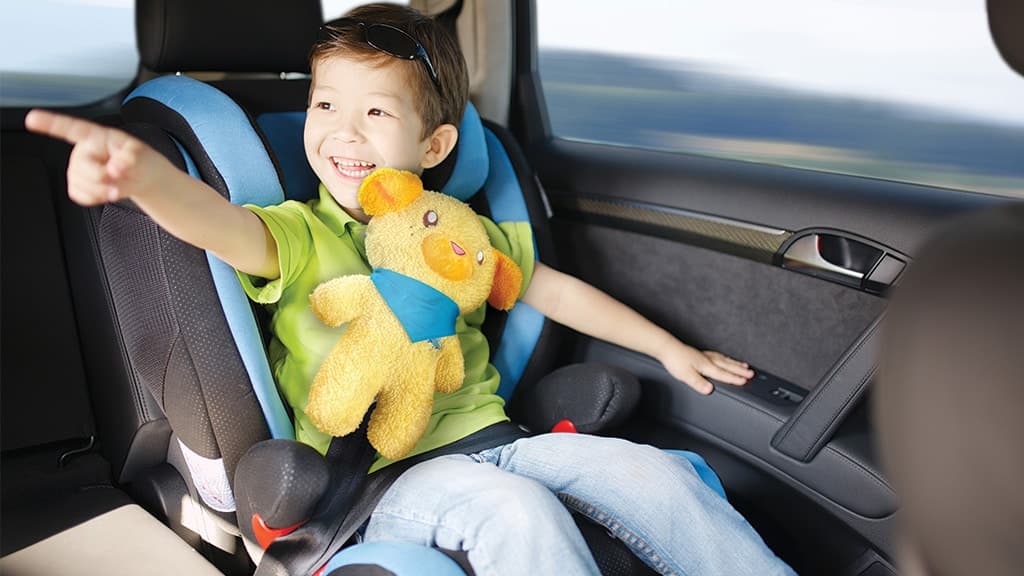
The best travel toy is not the loudest one in the bag. It is the one that buys you 20 calm minutes at 30,000 feet, another half hour in the back seat, or the quiet stretch between ordering and dessert when everyone is tempted to slide into chaos.
The Toy Insider’s summer travel edit is built exactly for that reality. It sits inside the publication’s spring-and-summer gift guide ecosystem, where every product is chosen by experts and the emphasis is on what actually works during travel season, not what merely looks cute in a cart.

Why this guide matters now
Summer travel is already behaving like a full-contact sport for families. AAA projected 45 million Americans would travel at least 50 miles for Memorial Day 2026, with 39.1 million going by car and 3.66 million by air, while the Transportation Security Administration expected to screen 18.3 million passengers and crew during the May 21-27 kickoff period. That kind of volume explains why screen-free, compact, low-mess entertainment keeps returning as a seasonal necessity.
The demand is broader than one holiday weekend. AAA’s 2026 survey found that 39% of Americans planned to take more vacations in 2026 than in 2025, 61% planned to travel at all, and 76% of those travelers expected their trips to be shaped around milestones such as birthdays, weddings, and anniversaries. In other words, people are not just moving more, they are moving for occasions that are supposed to feel memorable, which makes the right travel toy feel less like clutter and more like insurance against meltdown.
How The Toy Insider frames the problem
The Toy Insider, published by Adventure Media & Events, treats travel toys as a serious editorial category, not a filler list. Its 2026 Spring & Summer Gift Guide says the season’s picks are “chosen by experts” and explicitly includes “everything you need for travel season,” while the dedicated travel-toys page is titled “Top Travel Toys and Games - 2026 Spring & Summer Gift Guide.”
That structure matters because it turns a vague question, what should I pack, into a useful one: what should I pack for this child, on this leg of the trip, at this stage of attention span? Laurie Schacht, the publication’s President and Chief Toy Officer, is the public-facing expert voice behind that curation, and that kind of consistency gives the guide authority. It is less about novelty for novelty’s sake and more about matching the right toy to the right kind of family friction.
Road trips: built for the back seat
Long drives are where toy selection becomes a quality-of-life decision. A good road-trip toy needs to survive being dropped, passed across a car seat, and rediscovered after a snack break. The Toy Insider’s age bands, AGES 0-2, AGES 3-4, AGES 5-7, and AGES 8+, make that much easier to decode because a baby’s road-trip need is very different from a tween’s.
AGES 0-2
For the youngest travelers, suitcase space should go to toys that are soft, sturdy, and easy to reset after a spill or drop. Anything that encourages grabbing, stacking, or simple cause-and-effect is doing the heavy lifting here, because the goal is not deep engagement so much as a few peaceful stretches between naps and feedings.
AGES 3-4
This is the age where repetition is your friend. Toys that invite sorting, matching, or pretend play can absorb that constant “Are we there yet?” energy without requiring screens or a parent’s uninterrupted attention. The best choices are lightweight enough to keep near the car seat and simple enough to pick up again after a bathroom stop.
AGES 5-7
This is the sweet spot for compact games and hands-on activities that feel like a challenge. The best travel toys at this stage should be easy to restart, hard to lose in the seat gap, and interesting enough to hold attention once the initial novelty wears off. If a toy can buy you an hour without batteries, it has earned its place in the glove-box economy.
AGES 8+
Older kids want toys and games that feel intentional, not babyish. That means portable puzzles, brainteasers, card-based play, or compact activities that can stand up to repeated use without creating a mess in the car. The winning travel toy at this age is the one that feels like a choice they made for themselves.
Flights and airport waits: quiet wins only
Air travel changes the rules. The TSA’s projected 18.3 million passengers and crew during the kickoff period is a reminder that airports are not just transit spaces, they are waiting rooms with noise, lines, and fatigue built in. The right toy for this setting has to be quiet, compact, and contained enough to survive a tray table, a gate delay, and the moment when a toddler decides the seat pocket is a universe.
AGES 0-2
For babies and toddlers in the airport, the most valuable toys are the ones that do not roll far, rattle loudly, or scatter into a dozen pieces. Soft books, textured items, and simple sensory toys tend to work because they are easy to hold and easy to clean up. On a plane, that matters as much as entertainment value.
AGES 3-4
At this age, the airport is where a toy’s portability really proves itself. A compact activity that can move from terminal floor to plane seat without missing a beat is worth far more than a larger toy with bells and whistles. The best picks give you a reset button after security, when children are overstimulated and patience is already thin.
AGES 5-7
This is the age when children can actually understand a travel rhythm: wait, board, settle, play, repeat. Toys that reward focus and can be used in short bursts work especially well here, because flights rarely offer uninterrupted playtime. The Toy Insider’s travel-toys framing recognizes that “every leg of the journey” needs its own solution, and the airport is often the hardest leg of all.
AGES 8+
Older kids need something that can hold attention without announcing itself to everyone in row 14. That means slim, clever, and self-contained. The best airport toy for this group is the one that feels grown-up enough to respect their independence while still being small enough to disappear into a backpack.
Restaurants and other in-between moments
The genius of a travel toy guide is that it does not stop at planes and cars. Restaurants, waiting rooms, hotel lobbies, and the downtime between check-in and dinner all create the same problem: children need something to do, and parents need that something to be quiet, contained, and fast to pack away.
AGES 0-2
For babies, the restaurant toy is really a calming object. It should keep hands busy without requiring a clean surface or a complicated setup. Anything too fussy will lose the room immediately, but something tactile and small can buy just enough time to get through the meal.
AGES 3-4
This is a strong age for reusable activities that do not leave a mess behind. Parents are looking for toys that can stay on the table, travel back into the bag, and come out again without a second thought. That practical loop is what makes a toy feel luxurious in real life: it saves energy instead of creating work.
AGES 5-7
Dining out asks for toys that feel like a treat but behave like a tool. Compact games, drawing activities, and puzzles can keep a child occupied long enough for adults to actually eat while the food is hot. That is a small victory, but on a family trip it is a real one.
AGES 8+
Older kids are usually fine with something low-profile if it gives them autonomy. They want to feel entertained, not managed. The best restaurant-friendly pick for this group is usually the one that can disappear when the check arrives and reappear later in a car line or hotel elevator.
The Toy Insider’s travel toys guide works because it understands that family travel is not one problem but many: motion, boredom, overstimulation, hunger, and the sudden collapse of patience. By sorting picks by age and by the moments that test parents most, the guide turns a generic shopping list into a practical packing strategy. That is the real value here, a smarter trip with fewer frantic moments, and a bag full of toys that earn every inch of suitcase space.
This article was produced by Prism’s automated news system from verified source data, official records, and press releases, then run through automated quality and moderation checks before publishing. The system is built and supervised by the people who set the standards it runs under. Read our full AI policy.
Did this article answer your question?


