thoughtful gifts for readers, from cozy finds to indie bookstore picks
Readers do not need another book as much as gifts that change how they read. From annotator tools to indie bookstore picks, these are the bookish upgrades worth giving.
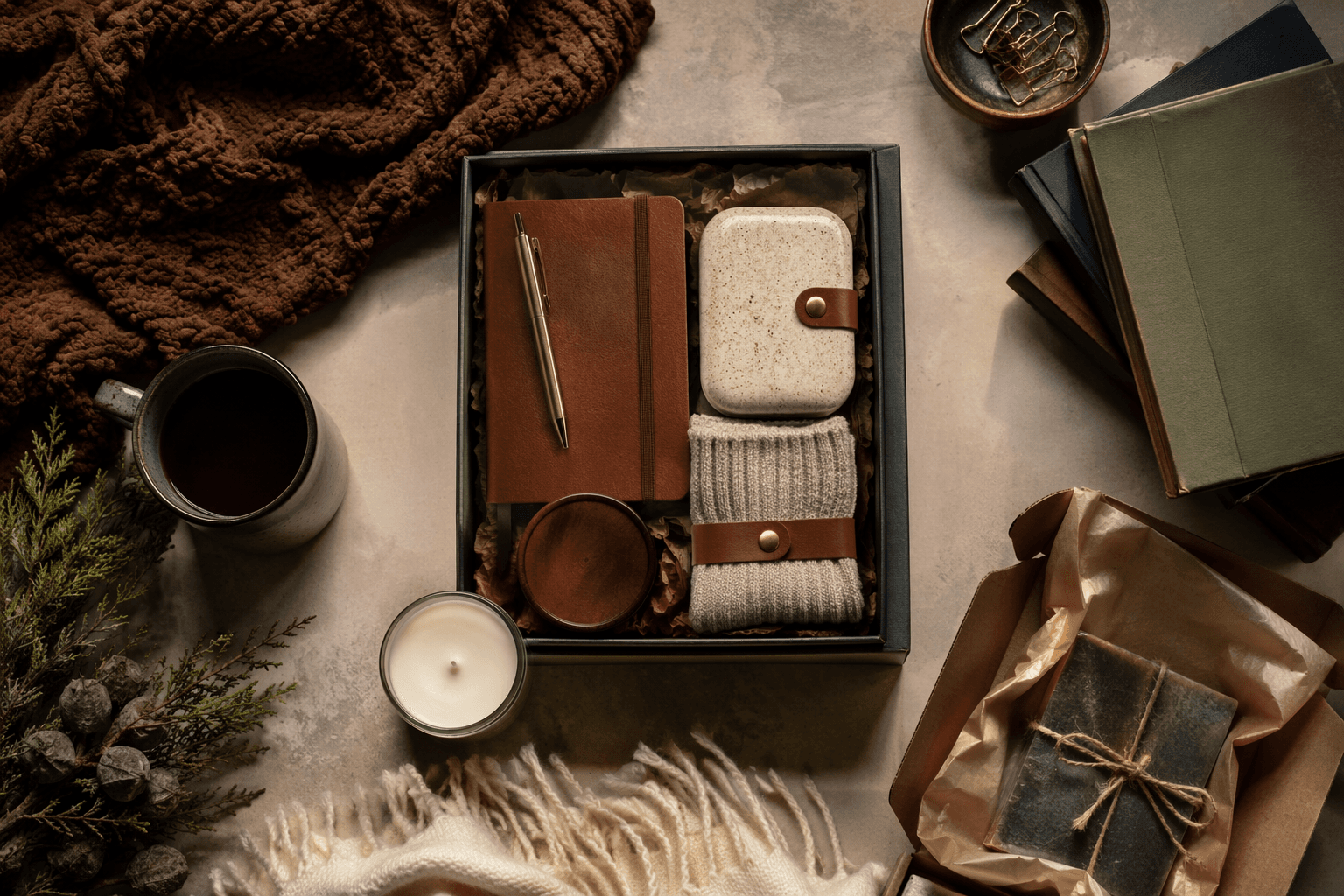
The new brief for readers
The smartest gifts for readers are not always books. With 75% of U.S. adults saying they read at least one book in the past year, print still leading at 64%, and e-books and audiobooks steadily growing, the most useful gifts now meet people where they actually read: on the couch, on the train, in the margins, and in the glow of a lamp after work. Book-club membership is still much less common than reading itself, which is why the best bookish gifts feel more personal than programmatic. They fit a reading identity.
The market around books has widened in the same way. The American Booksellers Association says its membership grew 18% in 2024, with 323 new brick-and-mortar, pop-up, and mobile stores opening across the U.S. that year. Independent Bookstore Day lands on the last Saturday in April, and more than 1,600 stores took part in 2025, which tells you how much appetite there is for gifts that support the culture around books, not just the books themselves. Even holiday guides from American Libraries Magazine and Barnes & Noble have moved in this direction, stretching from apparel and tech to kitchen accessories, puzzles, poetry, fiction, and cookbooks.
For the annotator
If your reader is the type who underlines three lines on every page and can tell you which chapter changed their opinion, buy them tools that make that habit nicer. A good reading journal usually runs about $25 to $30, and that is money well spent for someone who wants to track quotes, characters, and the pile of books they keep meaning to recommend. Pair it with translucent page tabs, about $12, and a fine-tip pen set around $18 so their notes look intentional instead of chaotic.
This is the gift lane for the person who treats a novel like a conversation. A slim clip-on book light, around $24 to $35, belongs here too, especially for anyone who reads after dark and hates losing a page just because the room is dim. These are practical gifts, but they do something subtler: they make the act of reading feel curated, which is exactly what an annotator wants.
For the cozy fiction devotee
Some readers do not want more books, they want the perfect conditions to disappear into the one they already have open. That is where a plush throw, usually $40 to $80, earns its keep. It is not flashy, but it is the difference between “I should read” and “I am not moving for the next two hours.” Add a reading pillow in the $35 to $50 range and you have basically built a tiny domestic retreat.
Warm light matters just as much. A warm-tone clip lamp, around $27, is easier on the eyes than a bright desk light, and it makes a reading corner feel grown-up instead of improvised. If you want the gift to feel a little more editorial, tuck in a set of book-club napkins, often around $15 to $20, or a good mug with tea or cocoa. American Libraries Magazine included both the practical and the playful in its 2025 holiday guide, and that mix is exactly right for this reader: something soft, something useful, something that makes the ritual better.
For the collector and shelf-stylist
This is the reader who notices paper quality, loves a neat spine, and likes objects that quietly signal taste. A personalized book embosser, often about $35 to $45, is a very good gift for this person because it turns their shelves into something that feels owned, not just assembled. If you want something a little less ceremonial, custom bookplates or a self-inking return stamp usually sit around $20 to $25 and scratch the same itch.
I also like the gifts that nod to institutions readers already love. A New York Public Library support pennant, around $20, is the kind of piece that looks good propped against a stack of hardcovers and says something about taste without trying too hard. That same logic applies to literary tote bags from indie bookstores, often $25 to $35. They are useful, yes, but they also function like a little badge of allegiance. For a collector, that matters.
For the literary traveler
Some people read everywhere: at airports, in hotel rooms, on long rides, in the in-between hours of a trip. For them, the best gift is something portable that respects the way they move. A Kindle Paperwhite, at $159.99, is the most obvious example because it is light, easy to pack, and kinder to a carry-on than a stack of hardcovers. It also makes sense in a reading culture where print still leads, but e-books and audiobooks have carved out a bigger share of everyday reading.
A second smart choice is a one-month audiobook gift credit, usually around $15, for the reader who wants stories to travel with them. Then add a slim notebook for trip notes or a map print from a favorite literary city, often in the $30 to $40 range, and the gift becomes part utility, part souvenir. Barnes & Noble’s holiday coverage, which moves freely from puzzles to poetry to fiction and cookbooks, reflects this same idea: readers do not want one narrow category of gift. They want something that travels with their appetite.
Why these gifts land
Gift-giving hits differently when the person matters to you. The American Psychological Association says it can activate reward pathways in the brain, which is a nice way of saying the right present feels good to give and receive. It also acknowledges the downside: hunting for the perfect holiday gift can be stressful. That is why narrowing the field by reader identity works so well. An annotator, a cozy fiction devotee, a collector, and a literary traveler do not want the same thing, and that is the point.
The best bookish gifts now deepen the reading experience, signal taste, or build community. They fit the way people actually read in 2026, and they support the ecosystem around books at the same time, from local stores to the institutions that keep literary culture visible. That is the sweet spot: thoughtful, useful, and just specific enough to feel like you really know the person who will unwrap it.
This article was produced by Prism’s automated news system from verified source data, official records, and press releases, then run through automated quality and moderation checks before publishing. The system is built and supervised by the people who set the standards it runs under. Read our full AI policy.
Did this article answer your question?


