What Cut editors are giving dads for Father’s Day this year
Cut’s Father’s Day picks point to a clear shift: dads are getting smarter gifts, not novelty ties, and Americans are spending a record $27.9 billion to do it.

Dads are famously hard to shop for, which is exactly why this year’s Father’s Day gifts feel more personal, more useful, and a lot less cliché. Cut editors are building their picks around the fathers and father figures they actually know, and the result is a useful glimpse into where gifting is headed: away from tie-and-whiskey routines and toward things that feel chosen, worn, remembered, or used.
The new Father’s Day brief
Father’s Day lands on Sunday, June 21, and the timing says a lot about how the holiday now functions. It is not a federal holiday, but it has become a major retail occasion anyway, with the National Retail Federation projecting a record $27.9 billion in spending this year. Consumers expect to spend an average of $226.58 each, and 77 percent plan to celebrate, which explains why the best gift coverage reads less like a novelty list and more like a live snapshot of how people really shop for the men in their lives.
The holiday itself has deep roots. The first Father’s Day celebration was held on June 19, 1910, in Spokane, Washington, and the idea was carried forward by early advocates including Grace Golden Clayton and Sonora Smart Dodd, whose campaign was supported in Spokane by groups such as the Spokane Ministerial Alliance, the Spokane Young Men’s Christian Association, and the National Council for the Promotion of Father’s Day. Woodrow Wilson and Lyndon B. Johnson both helped elevate the observance, and Richard Nixon signed it into law as an official national observance in 1972. It is also recognized as a state legal holiday in Arizona, which is a neat reminder that even a day built around dad jokes has a serious civic history.
The card is no longer filler
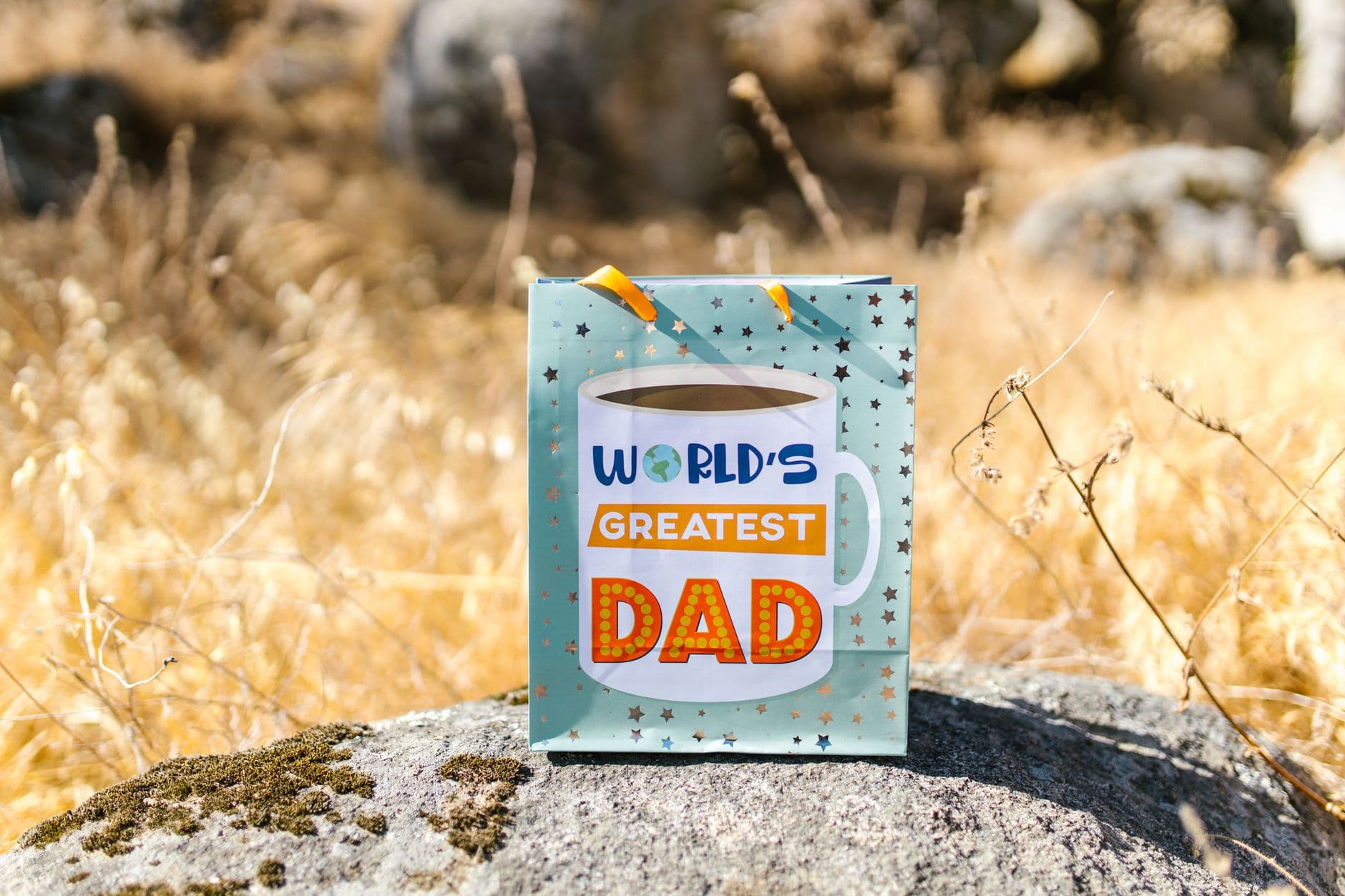
The clearest shift in this year’s gifting mood is that the greeting card is becoming part of the gift, not a throwaway attachment. It remains the single most common Father’s Day purchase at 60 percent, but the reason editors keep returning to it is not sentimentality for its own sake. A well-chosen card can carry the emotional load of a gift, especially when the actual present is something practical or modest, and that is where a smaller, more exacting kind of luxury shows up.
That matters because a card gives the whole gesture shape. If the present is a book, a pair of sneakers, or a tool he would never buy himself, the card turns the exchange into something more considered. In a year when shoppers are still splitting their budgets carefully, that kind of emotional precision can feel more luxurious than a bigger spend with less meaning.
Clothing has become the safest upgrade
Clothing is the second-biggest category in the NRF data at 58 percent, and that tracks with the way editors tend to shop for fathers now. The key is that clothing is no longer about novelty or irony. It is about upgrading something he already wears, or replacing something that has been in rotation too long, which makes the gift feel both flattering and immediately useful.
This is also where thoughtful giving beats expensive giving. A $50 shirt in a better fabric, with a cleaner fit and a color he will actually wear, will often land better than a flashy but random purchase. That is why clothing continues to beat out the classic gag gifts: it solves a problem, and it shows you understand his daily life.
The best gifts leave the house
The third big shift is that people are choosing memory over clutter. Special outings account for 55 percent of Father’s Day plans, and 31 percent of consumers say they plan to give an experience. That is a significant signal, because it suggests the gift does not need to sit on a shelf to feel valuable. It can be dinner, tickets, a round of golf, a museum day, a ballgame, or simply a plan that gets him out of the routine.
This is especially smart for the dads who claim they want nothing. An outing gives them something to look forward to without making them manage another object, and it often creates the most durable form of luxury: time together. That is also why editor-picked gifts tend to feel more intimate than a generic roundup. They are built around what the recipient will actually do, not just what he will unwrap.

Gift cards and subscription boxes have stopped feeling like backups
Gift cards remain a common choice at 52 percent, and subscription boxes are appealing to 45 percent of consumers, which shows that convenience is not the opposite of thoughtfulness anymore. In the old Father’s Day playbook, both were treated like last-resort options. Now they are increasingly a strategic way to give autonomy, especially when the father figure in question is particular, busy, or impossible to pin down.
A gift card works when the giver knows the store, the restaurant, or the service he genuinely likes. A subscription box works when the point is ongoing pleasure rather than one dramatic reveal. The best versions are the ones that match his habits, whether that means coffee, grooming, snacks, reading, or tools. That is a very modern kind of indulgence: something recurring, useful, and tailored enough to feel personal every time it shows up.
Why the tie-and-whiskey era is fading
Taken together, the data and the editor picks point to the same underlying change. Father’s Day is still one of the most commercially important sentimental holidays of the year, but the strongest gifts are no longer the most stereotypical ones. They are the ones that feel edited, not defaulted to. They solve for fit, routine, pleasure, or memory, which is why they read as more elegant than a predictable bottle and a patterned tie.
That is what makes Cut’s approach feel useful right now. It treats dads, father figures, and every other version of fatherhood as people with actual tastes, actual schedules, and actual lives. In a year when Americans are expected to spend a record $27.9 billion on Father’s Day, the smartest gift is not the biggest one. It is the one that feels like it was chosen with enough attention to be remembered long after June 21.
This article was produced by Prism’s automated news system from verified source data, official records, and press releases, then run through automated quality and moderation checks before publishing. The system is built and supervised by the people who set the standards it runs under. Read our full AI policy.
Did this article answer your question?


