Which? spotlights personalized gifts that make holiday presents memorable
The smartest personalized gifts feel considered, not fussy. Which? makes the case for initials and engravings, as a booming market says buyers agree.
Why personalization feels more thoughtful than flashy
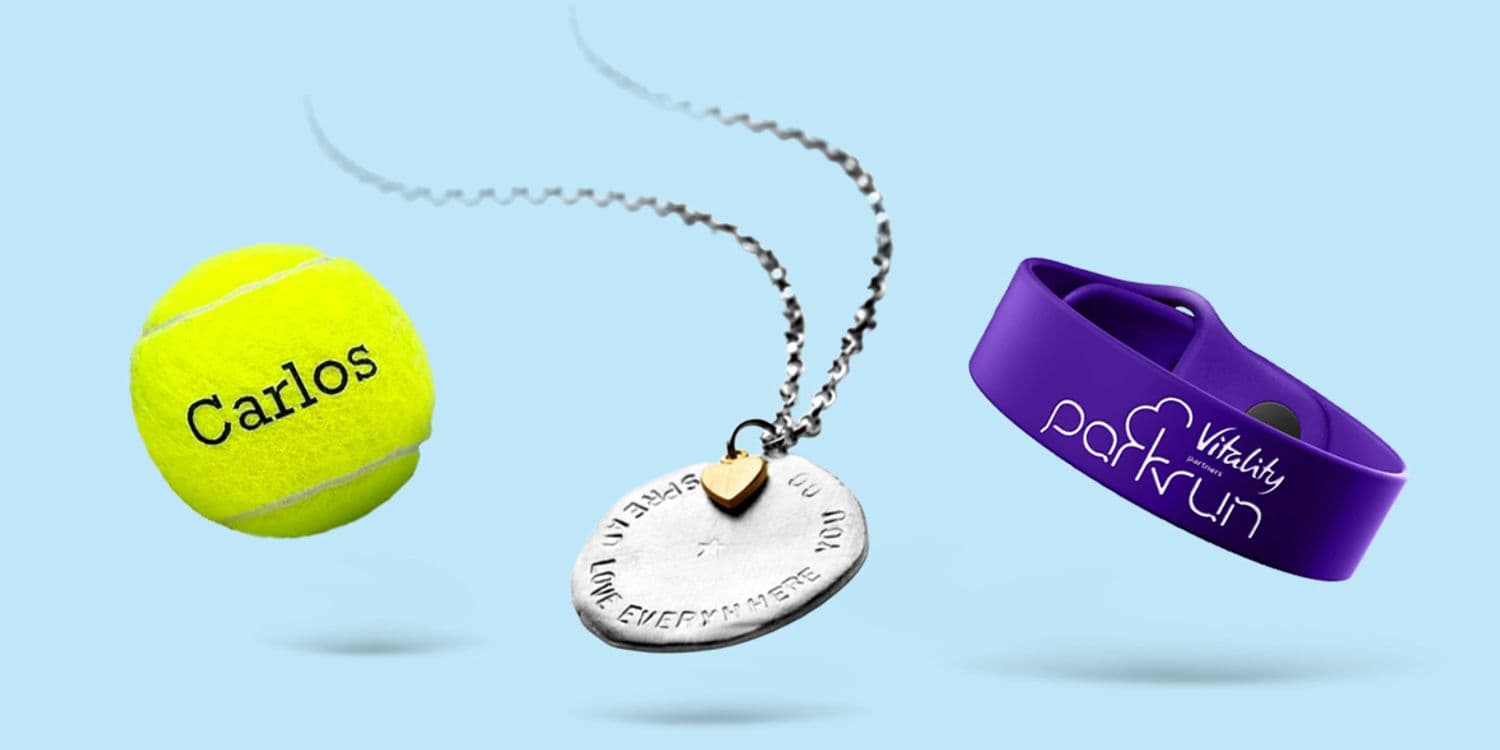
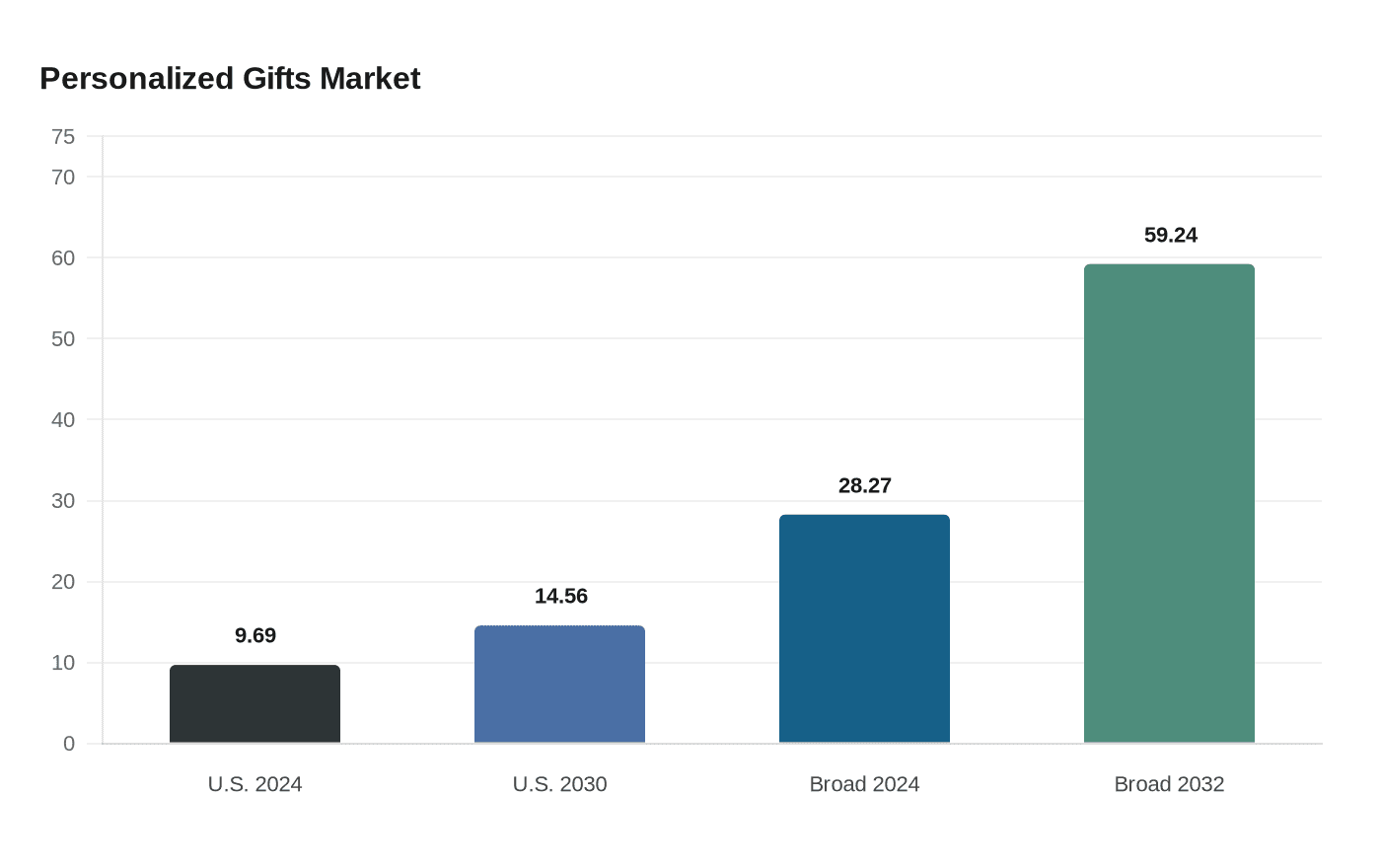
Which? makes a clean, practical case for the kind of gift that says you were paying attention: hand-etched initials, bespoke engravings, and other small custom details that turn an ordinary object into a keepsake. That idea has real market momentum behind it. ResearchAndMarkets values the U.S. personalized gifting market at $9.69 billion in 2024 and sees it reaching $14.56 billion by 2030, while Verified Market Research puts the broader personalized gifts market at $28.27 billion in 2024, rising to $59.24 billion by 2032.
The demand is not evenly spread across age groups, either. Statista says that in the United States in 2024, around half of Gen Z and millennial consumers were more likely to buy or give a personalized gift, compared with fewer than a quarter of baby boomers. That split says a lot about where gifting culture is headed: younger buyers are treating personalization as a sign of effort, not excess, while older shoppers are still more selective about when custom touches are worth the cost.
The sweet spot is emotional, not overworked
The best personalized gifts are the ones that feel like they belong to the person already. Which?’s emphasis on initials and engraving works because it stays subtle. A name stamped across everything can look rushed or cheesy; a neatly etched date, monogram, or message can feel instantly more intimate.
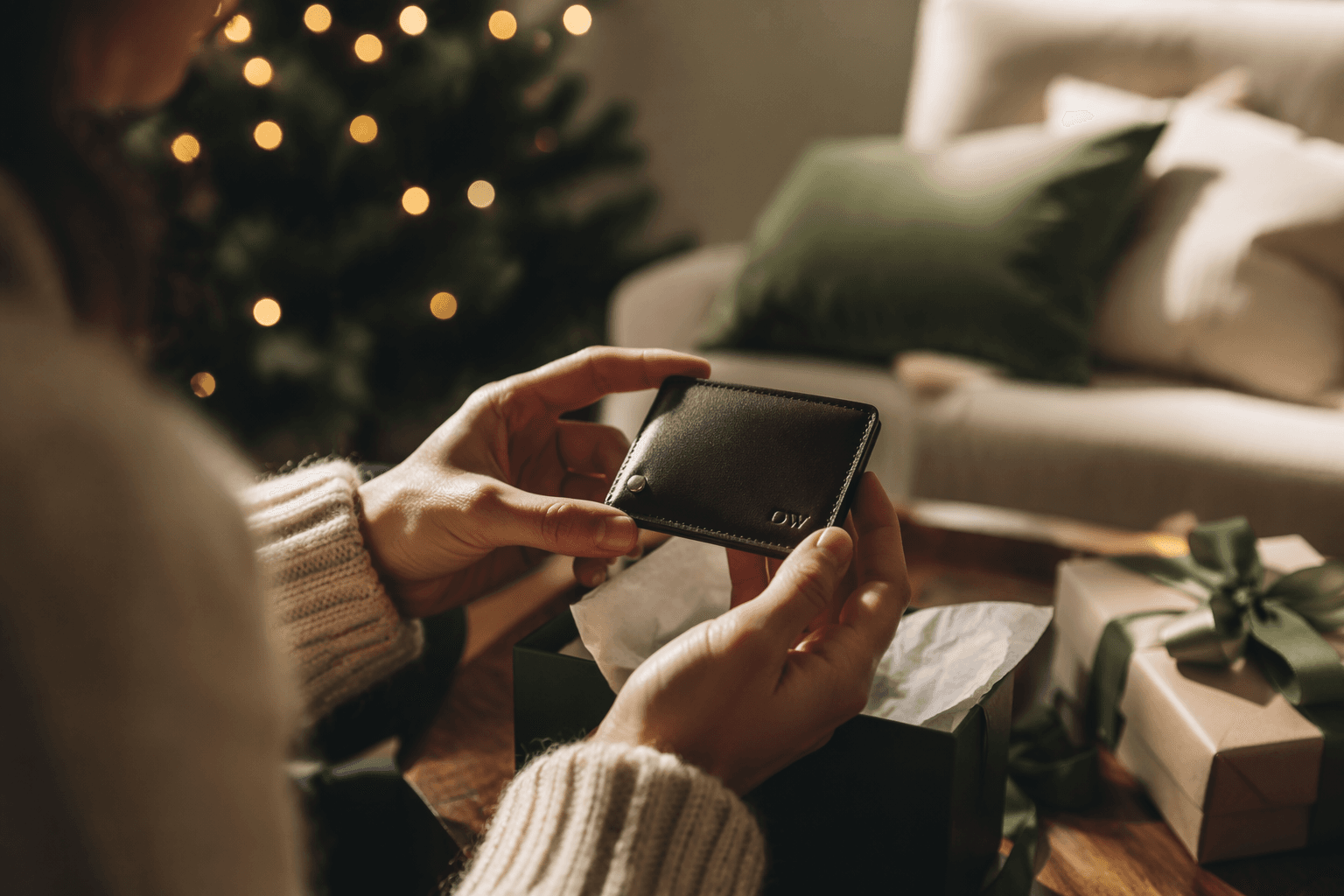
That distinction matters in a holiday season where gifting has become a serious retail category. Capital One Shopping estimates U.S. holiday gift sales at $693.7 billion in 2024 and projects $715.9 billion in 2025. In a market that large, shoppers are not just buying more stuff. They are trying to make each purchase feel more deliberate, which is exactly where restrained personalization earns its keep.
How to judge whether the custom touch is worth it
Personalization only works when the details are better than the default, not just more expensive. The smartest buys usually clear a few simple tests:
- Turnaround time: If you need the gift quickly, choose personalization that can be executed without long production delays.
- Returnability: Custom items can be harder to send back, so it helps when the base product is already something the recipient would use.
- Subtlety: The most timeless gifts usually keep the customization quiet, like engraving on the back, inside cover, or underside.
- Longevity: Etching and engraving tend to feel sturdier and more permanent than decorative add-ons that may age badly.
- Usefulness: Personalization works best when it improves an object the person would already want, not when it tries to rescue an unneeded item.
That is the line Which? is drawing, and it is a good one. The custom touch should make a gift more personal, not more complicated.
The best use cases are the ones tied to a real milestone
Personalization lands hardest when the gift is tied to a moment that already matters. New parents are a classic example: a framed print, keepsake box, or piece of jewelry with a baby’s initials or birth date can capture a period that disappears quickly. The key is restraint, because parents rarely need something precious that is also fragile or high-maintenance.
Long-distance partners are another strong fit, especially when the engraving or etched detail turns a practical object into a reminder. A small note, a meaningful date, or coordinates on a simple item does more emotional work than a big, showy gift. The point is not to impress with scale. It is to make a routine object feel attached to a shared story.
Grandparents often respond well to personalization that is legible and useful, not overly trendy. A classic monogram, family name, or date on an item they will actually keep on display is more persuasive than a novelty version that only works for one season. And for milestone birthdays, the best custom gifts are the ones that mark time without turning sentimental into sentimentalized clutter.
Why retailers keep betting on this category
The broader retail world has also been signaling that personalization is not a niche indulgence. Etsy’s holiday trend reporting keeps the theme alive, and the National Retail Federation has partnered with Prosper Insights & Analytics since 2003 to track consumers’ spending intentions and celebration plans for American holidays and milestone events. That is a long-running acknowledgement that shoppers are not simply buying gifts, they are buying messages about memory, taste, and care.
Taken together, the numbers explain why personalization keeps showing up in holiday roundups. One research firm sizes the U.S. market in the billions, another sees even larger global growth, and younger consumers are clearly more open to giving custom gifts than their older counterparts. The message for holiday shoppers is simple: if the customization is subtle, durable, and tied to a real person or moment, it feels thoughtful. If it is only there to charge more, it will look that way too.
This article was produced by Prism’s automated news system from verified source data, official records, and press releases, then run through automated quality and moderation checks before publishing. The system is built and supervised by the people who set the standards it runs under. Read our full AI policy.
Know something we missed? Have a correction or additional information?
Submit a Tip