Etiquette Experts Explain What Hostess Gifts to Bring and Why
Nearly half of all housewarming gifts fall in the $25–$49 range, yet most guests still agonize over what to bring. Here's the etiquette checklist that actually resolves it.
The hostess gift debate is not a modern anxiety. In ancient Greece, the cultural custom of "xenia" bound guests to arrive with a token of appreciation; showing up empty-handed was considered ungrateful and even an affront to the gods. Dating back to ancient Rome, guests would bring food or wine as a token of appreciation, and references to gifting honey, spices, incense, and nuts as hospitality tokens appear as far back as biblical texts. That same instinct, refined over centuries, is what makes people stand in a wine shop on a Friday evening trying to decide between a Côtes du Rhône and a scented candle. The stakes feel personal because they are.
The Institution Behind the Instinct
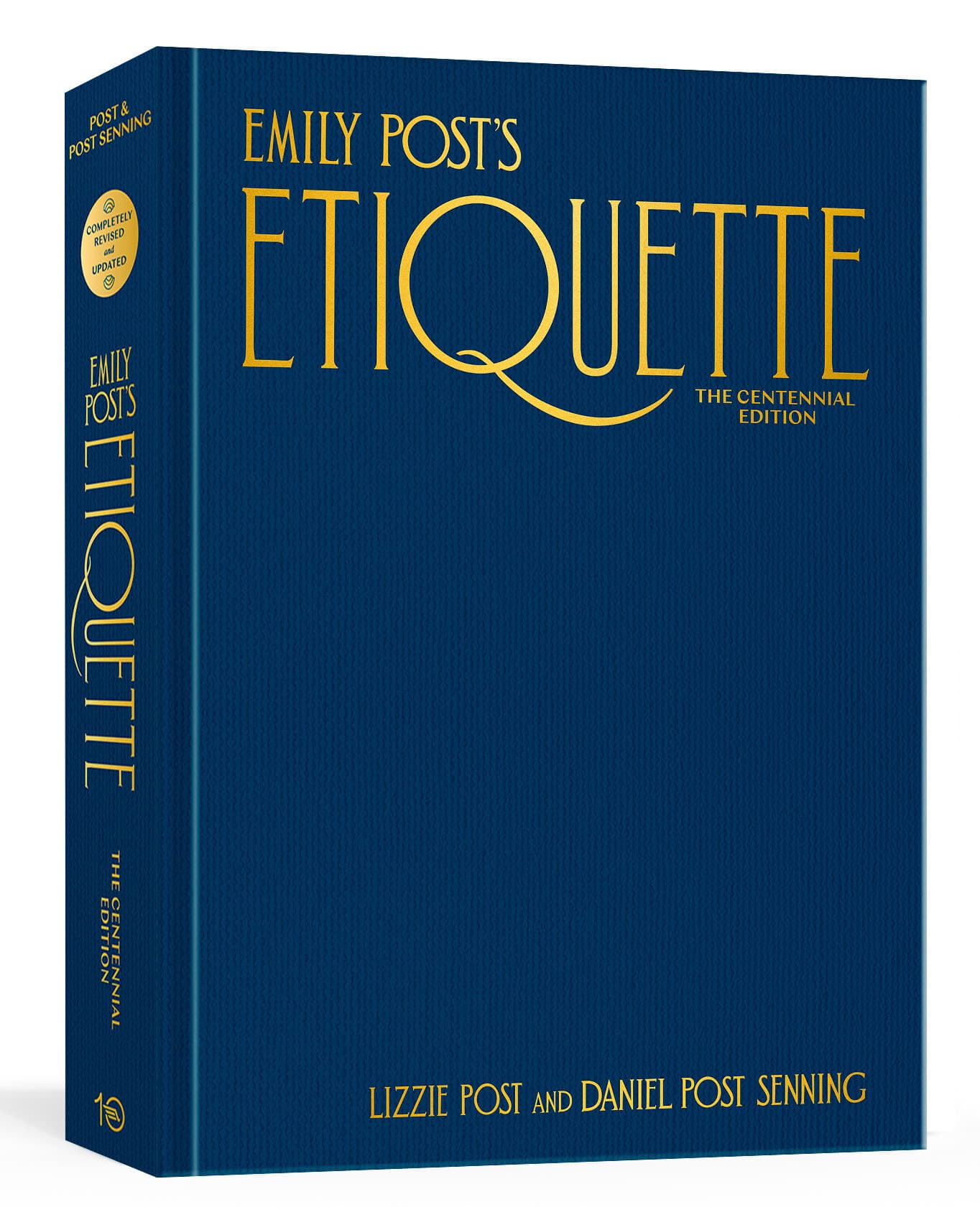
The Emily Post Institute, the authority most Americans turn to for gifting norms, is a fifth-generation family business founded in 1946 by Emily Post herself. Post's foundational work traces to her seminal book "Etiquette," published in 1922, which established the Institute as "America's most trusted source for etiquette advice" for over a century. Lizzie Post, Emily's great-great-granddaughter and current co-president of the Institute, has updated that guidance for the modern household: picture frames, candles, and consumables like wine, Champagne, chocolates, jams, jellies, and spreads are all solid choices, though you should not expect your host to serve them; it is up to the host to decide.
The Institute's core principle has not changed since 1922: the best hostess gift is functional, easy to receive, and does not require the host to stop mid-greeting to manage it. A large flower arrangement that needs a vase, a food item that clashes with a carefully planned menu, or a gift that demands immediate attention all fail that test.
When to Bring Something: The Occasion Checklist
The single most useful reframe is this: the occasion type determines the obligation, and the relationship determines the spend. Here is how those two variables interact across the three most common scenarios.
Dinner Party
For smaller events such as a dinner party or casual gathering, spending about $20 to $30 is generally appropriate. A great bottle of wine, artisanal chocolate, olive oil, or a set of cocktail picks are all well-suited gifts for this context. The Emily Post Institute advises keeping the gift modest so it doesn't overshadow the occasion or create reciprocal pressure. Something consumable is almost always the right call: it gets used, leaves no clutter, and signals thoughtfulness without demanding shelf space.
Open House or Housewarming
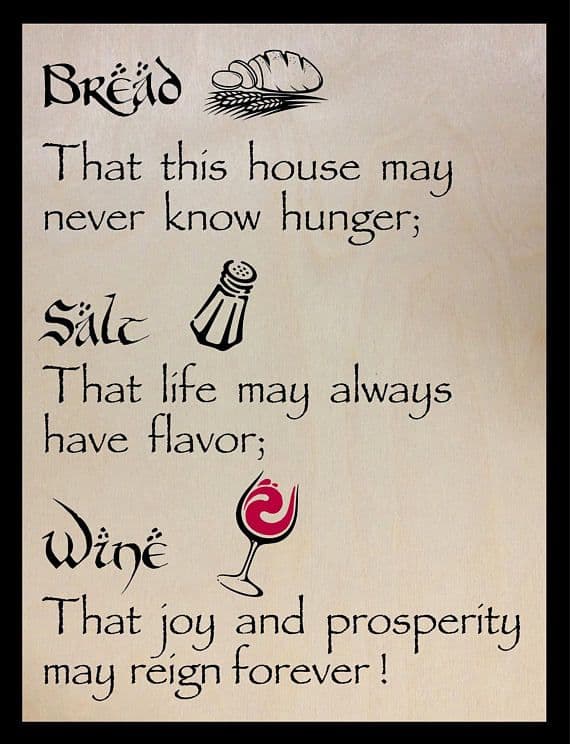
This is the occasion where the traditional symbolic gifts still carry real weight. The classic combination of bread, salt, and wine originated in both Slavic and Jewish cultures and has since spread across Germany, Italy, the Middle East, and most of Europe. Each element carries its own meaning: bread represents "may this house never know hunger"; salt symbolizes preservation and lasting hospitality; wine means "may you always have joy and never go thirsty." A cutting board paired with a good olive oil and a box of sea salt is essentially the same gift, updated for 2026. For a housewarming, plan to spend $20 to $75 depending on how well you know the person.
Overnight Stay
For a weekend stay or hosting family, the appropriate spend rises to $75–$150, with appropriate gifts including a luxe candle set, specialty liquor, a coffee table book, or something personalized to the host's interests. An overnight host appreciates follow-up gifts as well, like a name-brand food delivery or a brunch basket with pancake mix, coffee, preserves, and syrups. The logic is straightforward: someone who feeds you, houses you, and launders guest towels for you deserves more than a bottle of middling Merlot.
How Much Is Right: A Quick Reference
A 2020 Shadow Breeze survey found the most common spending bracket for housewarming gifts is $25–$49, accounting for approximately 44 to 50 percent of all gifts purchased. Roughly 26 percent of givers spent $50–$99; 16 percent spent under $25; and 14 percent spent more than $100. Contemporary etiquette advisors at Clise Etiquette peg $25 as a reasonable ceiling for a standard hostess gift, which aligns with the Emily Post principle of keeping the gift proportionate and unburdensome.
Here is the relationship-calibrated framework, simplified into a table:
| Occasion | Relationship | Suggested Range |
|---|---|---|
| Dinner party | Colleague or acquaintance | $20–$30 |
| Dinner party | Good friend | $30–$50 |
| Housewarming / Open house | Good friend | $30–$75 |
| Housewarming / Open house | Best friend or family | $75+ |
| Overnight stay | Any close relationship | $75–$150 |
| Holiday gathering | General guest | $45–$60 |
An Ally Financial survey confirmed that people prefer to receive actual presents rather than cash or gift cards for housewarming occasions, which sets housewarming apart from weddings and birthdays where monetary gifts are more widely welcomed. That preference makes this occasion particularly suited to the tangible, thoughtful tokens the Emily Post tradition was built on.
What to Actually Bring
The safest and most appreciated category, according to the Emily Post Institute, remains consumables. Lizzie Post finds consumables "really lovely gifts," noting they can range from small and simple all the way up to something very expensive and decadent. She cites fruit pastes from a local gourmet grocery as a personal go-to: something that pairs beautifully with a cheese board without requiring the host to assemble an entire spread. Beyond consumables, the Institute recommends:
- Small decorative bowls or serving pieces
- Cutting boards (especially with a personalized element)
- Cocktail napkins or linen tea towels
- Quality candles or room fragrances
- Specialty spices, salts, or gourmet condiments
One modern consideration worth noting: in 2024, etiquette advisors caution against assuming everyone wants an alcoholic host gift, and suggest a high-quality non-alcoholic aperitif or premium sparkling beverage as an equally considered alternative. A beautifully packaged botanical tonic or adaptogen blend signals the same thoughtfulness without the assumption.
How Local Norms Change the Calculus
Geography and cultural background genuinely affect what lands well. In Brazil, common hostess gifts are wine, scotch, or champagne, and etiquette calls for bringing a gift for children if they are present. In China, gifts should be presented with two hands, and it is customary to decline a gift three times before accepting, with the giver expected to insist. In Germany, the pretzel tradition persists: its twisted shape symbolizes unity, and it is still brought alongside salt at housewarmings. When you are unsure of your host's background, a universally readable gift, something edible, aromatic, or functional, rarely offends.
Is the Tradition Fading?
Contemporary observers note a generational shift: the custom of bringing a hostess gift appears to be slipping among younger guests today. Despite that drift, etiquette writers argue the tradition is "far from passé" and that hostess gifts "remain a meaningful and cherished way to express gratitude and appreciation." The Victorian era, when Mrs. Isabella Beeton's 1861 "Book of Household Management" helped formalize gift-giving as a structured social ritual, gave the tradition its modern scaffolding. What has changed is not the value of the gesture but the awareness that it exists.
Two Messages Worth Saving
When you are bringing something and want to set expectations politely:
*"Looking forward to tonight! I'm bringing a small something, nothing that needs any attention from you, just a thank-you for having us."*
When you arrive empty-handed and want to acknowledge it gracefully:
*"I owe you a proper gift — thank you so much for having us. Can I take you to dinner or send something for the house?"*
The hostess gift is, at its core, a physical expression of gratitude for someone opening their home to you. From xenia in ancient Athens to a well-chosen jar of Sicilian olive oil left on a Brooklyn kitchen counter, the gesture has always meant the same thing: I noticed the effort you made. The form changes; the intention does not.
This article was produced by Prism’s automated news system from verified source data, official records, and press releases, then run through automated quality and moderation checks before publishing. The system is built and supervised by the people who set the standards it runs under. Read our full AI policy.
Did this article answer your question?