Heartfelt Housewarming Messages and Gifts to Welcome New Neighbors
Most people agonize over what to *say* more than what to *give* at a housewarming. Here's how to nail both — message first, gift second.
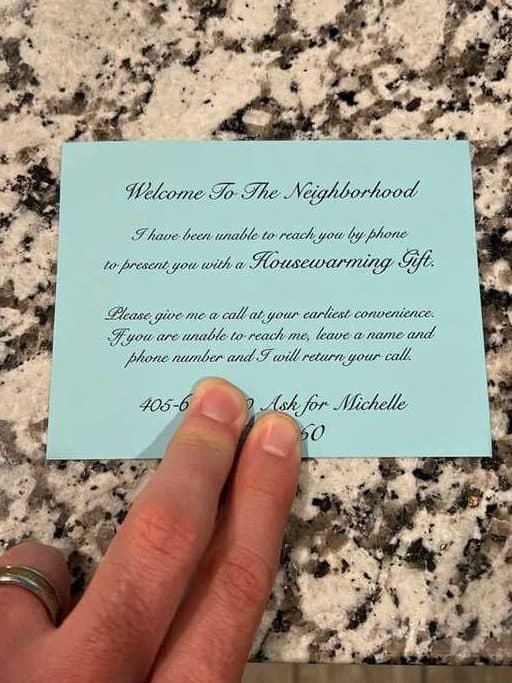
Nobody warns you that the hardest part of a housewarming isn't finding the gift. It's standing in front of a blank card, pen in hand, with absolutely nothing to write. You know the new homeowner deserves something thoughtful. You just don't know how to start.
Here's the thing: the note often matters more than the gift. A beautifully worded message signals genuine warmth and care in a way that even the most carefully chosen candle cannot. Getting both right, the words and the present, is what separates a forgettable gesture from one people actually remember.
Start with the Message
The best housewarming messages follow a simple three-part structure: open with congratulations, add something personal, and close with a wish for comfort and happiness in the new home. That last beat, the specific wish, is what most people skip. A generic "congrats on the new place!" lands very differently than "wishing you quiet mornings and a kitchen that smells like good things."
The congratulations should feel genuine, not perfunctory. Acknowledge the work that goes into moving, the milestone it represents, and the fresh chapter it opens. From there, a single personal detail does enormous heavy lifting: a shared memory of time spent in their last home, a nod to something you know they've been dreaming about, or even a gentle joke about the unpacking ahead. Then close warmly, with a sincere hope that the space becomes exactly what they envisioned.
Tailoring Your Words to the Relationship
Not every housewarming card should sound the same, because not every relationship is the same. A note to a family member can carry a tenderness and familiarity that would feel presumptuous from a neighbor you've known for three weeks.
For family, lean into the emotional weight of the moment. Buying a home is one of the biggest decisions most people ever make. Naming that directly, with pride and warmth, makes the message feel specific rather than copied from a template. Something like acknowledging the years of saving, planning, or searching that led here gives the note real meaning.
For close friends, you have more room to be playful. Reference the inside jokes, the house-hunting texts, the failed offers before this one. Friends don't want a card that reads like it came from a sympathy box; they want to feel seen.
For neighbors and newer acquaintances, the goal is genuine welcome without overfamiliarity. Five-sentence notes work well here: a welcome to the neighborhood, an expression of hope that they'll feel at home quickly, an offer of help if they need anything, and a warm close. Keep it sincere and brief. Floward, the gifting platform with editorial roots in the MENA region, recommends neighbor-specific greetings that center belonging and community: the message should make a new resident feel like they've arrived somewhere good, not just somewhere new.
What the Tradition Is Actually Saying
Housewarming gifts have carried symbolic meaning for centuries. The tradition of bringing bread and salt to a new home originated in Slavic and Jewish cultures and has since spread across Germany, Italy, the Middle East, and most of Europe. Bread symbolizes never knowing hunger; salt represents life always having flavor. Classic examples also include wine, honey, candles, and coins, each representing nourishment, hospitality, joy, sweetness, warmth, and prosperity.
Understanding this history reframes even the most modern gift. When you bring a curated snack basket or a beautifully packaged honey set, you're participating in something ancient and cross-cultural. That's worth knowing, and occasionally worth mentioning in your card.
Gifts That Actually Work: A Practical Breakdown
The most reliable housewarming gifts are those that feel personal without requiring inside knowledge of someone's exact taste in home decor. Home fragrance is a consistently safe category because it's consumable: it fills the space, sets a mood, and eventually gets used up, leaving room for whatever the recipient actually wants to decorate with long-term. A quality candle or a room diffuser in a neutral, crowd-pleasing scent (cedar, linen, citrus) lands well across most tastes. Candle warmer lamps have become a particularly giftable option in recent years, with flower-inspired designs that sit handsomely on a shelf even when not in use.
Fresh flowers are another natural fit for the occasion. Floward specifically recommends them as an opener: they make the new space feel inhabited and celebratory immediately, and they require nothing from the recipient except a vase.
For something more substantial, curated food sets punch well above their price point. A charcuterie board or a snack gift set communicates care and occasion without being a permanent fixture someone has to find space for. The same logic applies to welcome baskets assembled with everyday essentials: good hand soap, a specialty snack, a small jar of something sweet. These aren't glamorous, but they're genuinely useful in the hectic first days after a move.
If you know the recipient well and want to go bigger, personalizable artwork and wine glasses are strong options that tend to be kept and used. A set of modern, well-designed wine glasses is one of those gifts people reach for repeatedly without ever thinking about where it came from.
How Much to Spend
According to a Shadow Breeze survey, about 50% of all purchased housewarming gifts range between $25 and $49, with about 20% of people spending less than $25, 22% spending between $50 and $99, and 12% spending over $100. That $25 to $50 sweet spot is a reasonable target for most situations, and it's achievable across every gift category mentioned here.
For a colleague or distant friend, $20 to $30 is a lovely and appropriate range. For a good friend, $30 to $75 is a common and generous range. For a best friend or close family member, $75 or more is where many people land. And if the person matters a great deal but the budget is tight, pooling with other mutual friends for a single considered gift is a perfectly graceful move.
The Dos and Don'ts of Tone and Timing
A few practical rules make a real difference:
- Deliver or send the gift close to move-in day, not weeks later when the novelty has worn off and the chaos has settled
- Keep the tone warm but not saccharine; earnest sincerity reads better than overwrought sentimentality
- Avoid overly personal gifts (think: home decor items in a very specific style) unless you know the person's taste well
- For neighbors you're still getting to know, err on the side of brevity in the card and generosity in the gesture
- If you're sending remotely, choose something that ships without damage risk: fragrance sets, gourmet food items, and digital gift cards all travel safely
The Gift That Shows Up Twice
The best housewarming gesture is actually two things delivered together: a gift they can use and a note they'll want to keep. Most gifts get opened once and put somewhere. A card with real words in it gets read twice, sometimes propped on a windowsill for a week. That second read, that's the one that sticks.
This article was produced by Prism’s automated news system from verified source data, official records, and press releases, then run through automated quality and moderation checks before publishing. The system is built and supervised by the people who set the standards it runs under. Read our full AI policy.
Did this article answer your question?