Practical Housewarming Gift Strategies That Boost Resident Satisfaction and Retention
The gift that actually keeps residents from leaving isn't expensive: a stocked fridge and a small celebration on move-in day changes how people feel about a building from day one.

There's a version of the housewarming gift that ends up in a donation box within six months. You know the one: a decorative object that fits no one's aesthetic, a candle that smells like corporate goodwill, a gift card that says "we didn't think too hard about this." For property managers trying to build genuine resident loyalty, that kind of gesture doesn't just miss the mark; it actively signals indifference at the worst possible moment.
Move-in day is genuinely awful. Boxes everywhere, nothing is where it should be, the fridge is empty, and the new resident is already second-guessing whether they made the right call. Research consistently shows that first impressions in rental housing are disproportionately sticky: the emotional tone set in the first 48 hours colors how a resident interprets every interaction that follows, from maintenance requests to lease renewal conversations. Getting that moment right isn't sentiment. It's strategy.
Start With the Fridge, Not the Welcome Basket
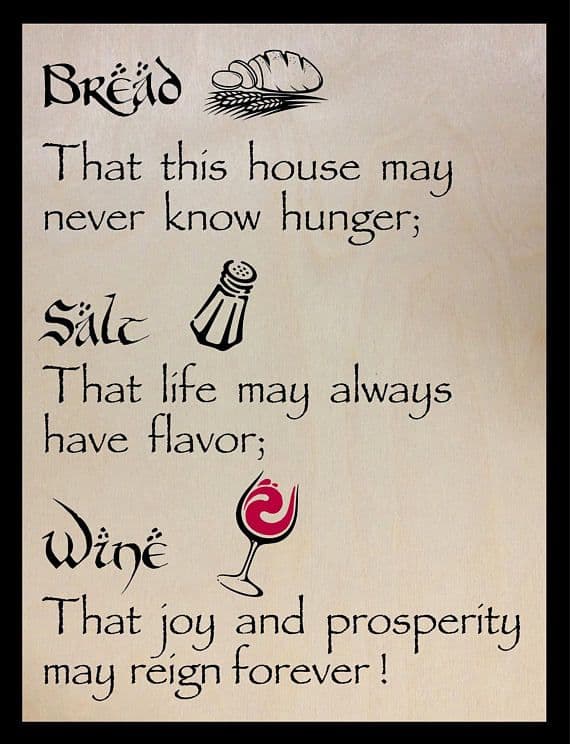
The single most effective move-in gesture is also the most overlooked: stocking the fridge. Not elaborately, not expensively. A few bottles of water, some easy snacks, maybe something small that signals celebration rather than transaction. This works because it solves an immediate, concrete problem. The new resident hasn't had time to grocery shop. They're running on caffeine and stress. Opening a refrigerator that's already working in their favor reframes the entire move-in experience in about three seconds.
The fridge-stocked welcome approach is deliberately modest in scope. This isn't about impressing anyone with a curated charcuterie situation. It's about demonstrating that someone thought about what this person actually needs today, not what looks good in a welcome packet. Bottled water, a small celebratory item (think a single bottle of sparkling something, or a locally made treat), and a handwritten note explaining who to call if anything goes wrong. That's the core.
The tactical genius of this approach is repeatability. A property manager overseeing 50 units can systematize a fridge welcome at a fraction of what they'd spend on branded merchandise that residents don't want. Set a per-unit budget, build a simple checklist, and the gesture becomes consistent rather than dependent on whoever happened to be in a generous mood that week.
Why Practical Always Beats Decorative
The instinct to give something beautiful is understandable. It feels like generosity. But decorative gifts in rental properties carry a specific problem: they presume taste. A resident moving into their first apartment in a new city has their own aesthetic, their own stuff coming in those boxes, and zero storage space for a ceramic vase someone else thought was charming.
Practical gifts solve this by deferring entirely to the resident's own preferences. Snacks get eaten. Water gets drunk. A note with emergency maintenance numbers gets stuck to the fridge. None of these items require the resident to have feelings about them beyond "this was useful." And usefulness, it turns out, is what people remember.
The most effective practical gifts share a few characteristics:
- They address a need that exists specifically on move-in day, not in general
- They're consumable, meaning they don't require the resident to find permanent space for them
- They cost proportionally less than what they communicate in terms of care and attention
- They can be replicated identically across multiple units without significant variation in quality
A branded tote bag fails most of these tests. A stocked mini-fridge section passes all of them.
Building a Repeatable Move-In Gift System
The reason most property managers don't execute move-in gifts well isn't budget. It's the absence of a system. When welcome gestures depend on individual initiative, they happen inconsistently, which is arguably worse than not doing them at all. A resident who hears from a neighbor that they got a welcome basket and didn't receive one themselves has a grievance on day one.
The fix is to treat move-in gifts the way you'd treat any other operational process: define it, budget for it, and assign ownership. This doesn't require complexity. A simple per-unit allocation, a standard checklist, and a designated staff member responsible for setup before each move-in covers most of the ground.
The checklist itself might look something like this:
1. Confirm move-in date and unit access at least 48 hours in advance
2. Stock the fridge with bottled water, a light snack assortment, and one celebratory item
3. Leave a handwritten or personally signed welcome note with key contacts
4. Verify that all amenities, appliances, and utilities are functioning before the resident arrives
5. Follow up within 72 hours to address any questions or issues
That last step is underutilized and undervalued. The follow-up call or message after move-in signals ongoing care rather than a one-time transaction. It's also the moment when you learn about anything that went wrong before it becomes a review.
The Connection Between Gifts and Long-Term Retention
Move-in gifts are a retention strategy, not just a hospitality gesture. Resident turnover is one of the most significant cost centers in property management, and the relationship between early satisfaction and renewal rates is well-documented in the industry. When residents feel welcomed genuinely from day one, they're more likely to feel a sense of belonging in the building, report maintenance issues promptly (which protects the property), and renew leases rather than testing the market.
The fridge-stocked welcome isn't trying to buy loyalty. It's trying to disrupt the default emotional state of move-in day, which is stressful and alienating, and replace it with something that feels human. That shift in emotional register is what creates the kind of early goodwill that compounds over the course of a lease.
The math is straightforward: if spending $30 to $50 per move-in on snacks, water, and a small celebratory item increases the probability of a lease renewal by even a few percentage points, the return on that investment is enormous compared to the cost of finding, vetting, and onboarding a new resident.
What to Skip
Branded merchandise almost never lands the way property managers hope. A mug with the building's logo isn't a gift; it's advertising you've asked the resident to store in their cabinet. Similarly, gift cards to single retailers assume knowledge of the resident's preferences you almost certainly don't have. Generic welcome baskets ordered in bulk and stuffed with filler items tend to communicate exactly that: bulk ordering, filler items.
The best housewarming gift for a new resident is one that required someone to think about what this specific person needs on this specific day. You don't need their full biography to get that right. You just need to show up before they do, stock the fridge, and leave a note that sounds like a person wrote it.
That combination, more than any branded gift set or decorative flourish, is what makes someone feel like they made the right choice.
This article was produced by Prism’s automated news system from verified source data, official records, and press releases, then run through automated quality and moderation checks before publishing. The system is built and supervised by the people who set the standards it runs under. Read our full AI policy.
Did this article answer your question?