Smart Housewarming Gifts for Small Spaces: Group Buys, Kits, and Experiences
Group up, kit out, or gift an experience: the three approaches that actually work for small-space housewarmings without adding clutter.
The anxiety is familiar: you're heading to a housewarming for someone who just moved into a 500-square-foot apartment, and the last thing they need is another decorative object competing for shelf space. The most thoughtful housewarming gifts for small spaces aren't the ones that cost the most or look the most impressive in a gift bag. They're the ones that disappear into daily life, solve a first-week problem, or bring people together around something the new resident actually wanted but wouldn't buy for themselves.
The Group Buy: Splurge on Something They'd Never Justify Alone
The single most useful reframe for a small-space housewarming is turning a gathering of friends into collective buying power. A high-performance blender is the textbook example: a Vitamix 5200, considered by many kitchen equipment reviewers to be one of the best blenders on the market, retails for well over $350. That's a price most people hesitate over when buying it themselves, but it becomes completely reasonable when split four or five ways. The gift lands as genuinely impressive, the recipient gets something that will last a decade, and no one individual breaks their budget.
The key to making a group buy work is assigning one person to coordinate early. Collect contributions via a shared payment app, designate a single purchaser, and include a card signed by everyone. The logistics take ten minutes but completely transform how the gift reads. A blender, a cast-iron Dutch oven, or a KitchenAid stand mixer, items that carry real kitchen utility in any small apartment, all make natural candidates for this approach.
For a more playful variation on the same idea, consider the crowdsourced bar starter. Rather than coordinating a single large purchase, the host asks each guest to bring one component toward a functional home bar or coffee station: a bottle of vermouth, a bag of single-origin beans, a cocktail syrup, a good amaro. The result is a bar or coffee corner built in a single evening, with every item chosen by someone who knows the new resident's taste. It sidesteps the coordination overhead of a group buy while still delivering something greater than the sum of its parts. For a first apartment, where the owner is starting from scratch, this approach often outperforms any single bottle of wine.
The Kit: First-Week Practical, Chosen with Intention
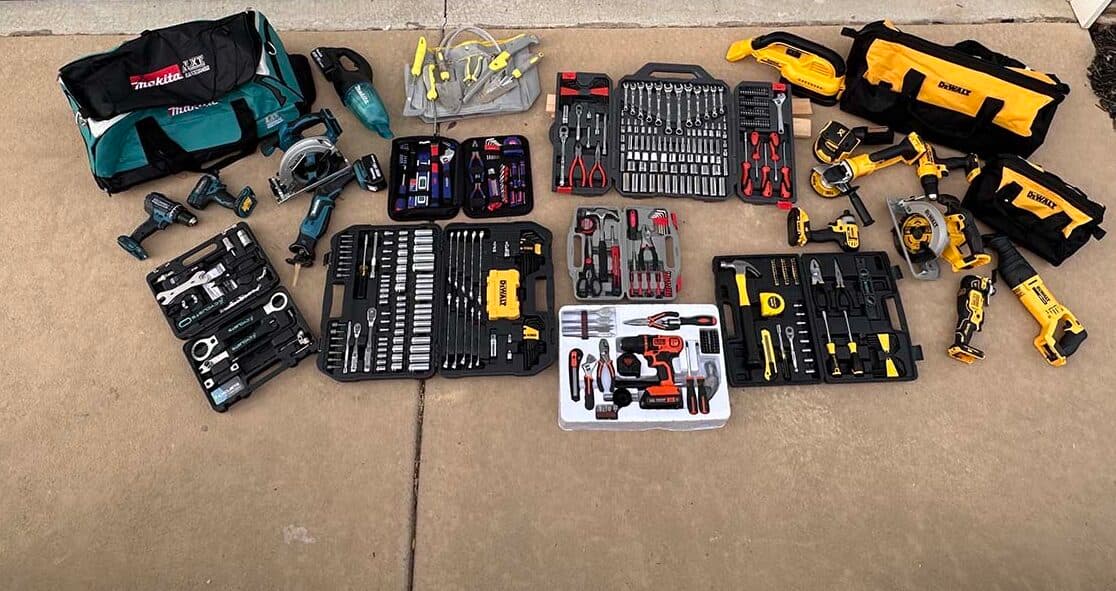
When a group buy isn't practical and you're shopping solo, the most effective small-space gift is a compact welcome kit assembled with genuine thought. The trap most people fall into is building a gift basket around aesthetics rather than utility. The version that actually gets used looks more like a survival kit for moving week: a tin of high-quality loose-leaf tea or a small bag of excellent coffee for the evenings when the kitchen is still half-unpacked, a bottle of premium dish soap (good enough to be worth using, small enough to store anywhere), and a basic toolkit with a hammer, picture hooks, a tape measure, and a screwdriver set.
That last item, the toolkit, is consistently underrated. The majority of first-apartment renters don't own one and spend their first weeks improvising. A compact option from a brand like Craftsman or Klein fits inside a single kitchen drawer and covers the repairs and installations that come up in every new home. Pair it with a small potted succulent, which requires almost no care and survives well in the low-light conditions of urban apartments, and the full kit stays well under $60 while feeling both considered and useful.

For guests who want to lean into pantry gifting, compact and high-quality wins over large and generic. A jar of good flaky salt, a small bottle of finishing olive oil, or a single-origin spice blend from a brand like Burlap & Barrel occupies almost no storage space and gets used immediately. The goal is items that disappear into the kitchen and reappear every time the new resident cooks, creating a small daily reminder of the people who showed up for them.
The Experience: Give Something That Leaves No Footprint
For new residents with genuinely limited storage, the experience gift isn't a consolation prize. Done right, it's the most generous option on the list. A cook-for-a-week voucher, where the giver commits to preparing and delivering meals for seven days, costs almost nothing and provides something that no product can replicate: time and ease during the most exhausting stretch of a move. The practical value of not having to think about dinner while assembling furniture and unpacking boxes is significant, and the gesture communicates that the giver understands what moving actually costs in energy.
Restaurant gift cards calibrated to the new neighborhood serve a similar function while also doubling as an invitation to explore. A card to a well-reviewed local spot encourages the new resident to establish a connection with the neighborhood early and gives them a reason to leave the apartment during what can otherwise be an isolating first month. Choose a place with good reviews and an accessible price point rather than the flashiest option in the area.
Neighborhood service subscriptions round out the experience category with ongoing utility. A month of laundry pickup service removes one of the logistical headaches of small apartments without dedicated laundry facilities. A CSA produce box from a nearby farm, a category the USDA maintains a publicly searchable directory for, gives the new resident a reason to cook at home and connects them to local food sources. Meal kit services like HelloFresh or Dinnerly work similarly, with the added benefit of adjustable portion sizes suited to solo or couple living. A single month of any of these services typically costs between $40 and $80, adds nothing to a crowded closet, and gets used immediately.
What separates a forgettable housewarming gift from a memorable one, in any price range, is the evidence that the giver thought about the actual life the recipient is stepping into rather than the gift's appearance in a bag. For small-space housewarmings specifically, that means defaulting to things that solve real first-week problems, disappear into daily routines, or create space for connection. The furniture will get figured out eventually. The week-one exhaustion is where a good gift earns its place.
This article was produced by Prism’s automated news system from verified source data, official records, and press releases, then run through automated quality and moderation checks before publishing. The system is built and supervised by the people who set the standards it runs under. Read our full AI policy.
Did this article answer your question?