The meaning behind the classic bread, salt and wine housewarming gift
A bread, salt and wine basket works because each piece carries a clear message, and the classic formula gets even better when you tailor it with honey, olive oil, and a story.
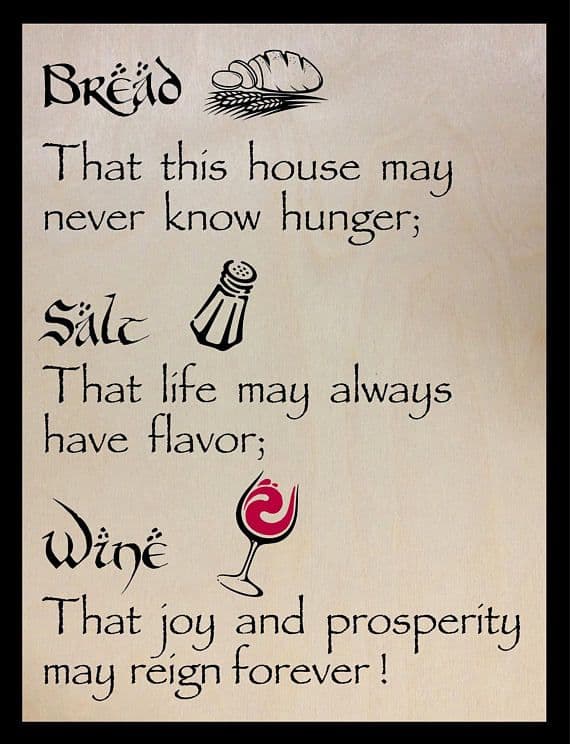
In the 1946 film *It’s a Wonderful Life*, Mary Bailey arrives with bread, “that this house may never know hunger,” salt, “that life may always have flavor,” and wine, “that joy and prosperity may reign forever.” It is a message you can eat, pour, and explain in 30 seconds: a familiar present made memorable, practical, and easy to personalize.
The movie scene that made the gift stick
George Bailey and Mary Bailey bring the housewarming basket to life in *It’s a Wonderful Life*, and the scene has stayed famous because the symbolism is so plain and so good. The gift lands because each item carries a job, not just a decorative gesture.
The basket does not ask you to know the recipient’s sofa color or pantry habits in detail. It asks you to give something with a built-in story, one that feels thoughtful without being precious. A loaf, a good pinch of salt, and a bottle of wine are things most homes can use immediately.
The formula: one anchor, a few supports, one clear story
The best way to build this gift is to think in layers. Start with a signature anchor item, then add supporting pieces that are useful, and finish with a short note that tells the meaning of the basket. In the classic version, bread is the anchor, salt and wine are the supporting pieces, and the story is the blessing attached to each item.
The modern versions expand the same logic. Honey and olive oil are common additions because they keep the gift rooted in the kitchen, not the décor aisle. They also preserve the original symbolism: sweetness, abundance, and everyday use. If you want the basket to feel complete without getting fussy, those are the two add-ons that make the most sense.
A simple formula looks like this:
- Bread as the centerpiece, ideally something sturdy and good enough to slice right away.
- Salt for seasoning and the old hospitality symbolism that makes the basket feel rooted.
- Wine for the celebratory note that shifts the gift from pantry to party.
- Honey and olive oil if you want to extend the theme without changing it.
- A small tag or card explaining why each item is there.
A note is what makes the gift feel personal instead of generic. The meaning is already in the objects, but a note turns the basket into a keepsake. It also keeps the tradition readable for recipients who may know the classic trio but not the story behind it.

Why bread and salt keep showing up in housewarming traditions
Bread and salt are not just a movie reference. They are longstanding hospitality symbols in several cultures, including Slavic and Jewish traditions, where they stand for welcome, prosperity, and protection. Bread is the most basic foodstuff in Reform Judaism, and several traditions place bread and salt together, which helps explain why the pairing feels so natural across so many settings.
Salt, in particular, has a deeper history than people sometimes remember. It is not only a seasoning; it is a preservative, and for centuries it has also carried social and economic weight as a commodity. That is part of why a salt cellar or small packet can feel ceremonial even when it is sitting beside an ordinary loaf of bread.
The tradition also has room to stretch. Housewarming customs in different cultures and modern variants can include candles, coins, brooms, and houseplants. Those objects all do different symbolic work, but they share the same basic impulse: to turn an empty space into a home with objects that mean something.
How to adapt the basket without losing the point
The nicest thing about the bread, salt, and wine framework is that it is flexible. For the friend who loves to cook, lean into the pantry angle with good olive oil and a better-than-average salt. For the friend who has just moved into a tiny apartment, keep the basket compact and skip anything that needs a lot of storage. For the friend who entertains, the wine matters because it makes the gift feel ready for the first dinner party.
The budget version is especially useful because it does not require a big spend to feel thoughtful. A bread, salt, and wine housewarming basket can come together for under $25 using discount-store ingredients. That is exactly why the formula works so well for neighbors, last-minute invitations, and all the moments when you want the gift to feel intentional without becoming expensive.
If you want the basket to feel more polished, focus on presentation rather than quantity. A woven basket, a clean towel, and a handwritten card do more than piling in extra items.
This article was produced by Prism’s automated news system from verified source data, official records, and press releases, then run through automated quality and moderation checks before publishing. The system is built and supervised by the people who set the standards it runs under. Read our full AI policy.
Did this article answer your question?