What to do when a housewarming invite says no gifts, please
A no-gifts housewarming invite is usually meant literally. If you still want to show care, choose something that leaves no clutter, no pressure, and no obligation.

A housewarming invite that says “no gifts, please” can feel like a test, but the real risk is simpler: getting it wrong can turn a gracious invitation into clutter, obligation, or awkwardness. At a moment when someone is still unpacking, deciding what fits, and trying to make a new place feel like home, the most thoughtful response is often the least performative one.
Treat the words as the instruction
Emily Post Institute has a dedicated advice page called “No Gifts, Please,” and its broader gifting guidance makes a clean distinction between a true gift request and the social reflex to bring something anyway. That framing matters because etiquette there is rooted in “consideration, respect and honesty,” not in decoding hidden messages. If the host wrote “no gifts,” the safest reading is that they mean it.
That approach also fits the reality of a move. Pickup Please’s “Declutter First, Move Second” treats moving as a time when reducing possessions matters, which helps explain why a host may want no extra objects landing on the porch. A new home can already be full of boxes, cords, and half-sorted decisions; even a lovely vase has to earn counter space. In that setting, respecting the request is not stingy. It is considerate.
A simple decision tree for what to do
If the invitation says “no gifts, please” and gives no other signal, arrive empty-handed and warmly. A handwritten card, a sincere congratulations, or a short note about a favorite memory in the old place is enough. This keeps the focus where the host asked it to stay, on the move itself and the people celebrating it.
If you feel uneasy showing up without any gesture, use a low-pressure alternative that does not create a new task for the host. Offer to help after the party, perhaps by setting out chairs, moving a box, or carrying something heavier to the kitchen. If the gathering is casual and the host has made room for it, bringing dessert only if it is explicitly welcome can be thoughtful too, because it solves an immediate need instead of adding décor.
If you are very close to the host and want to do something more personal, send the gesture later. Flowers that arrive after the crowd leaves, a coffee delivery for the first morning in the new place, or a note tucked into the mailbox can feel generous without demanding instant attention. The key is timing and consent: a thoughtful gesture should make life easier, not more complicated.
When a small token is still acceptable
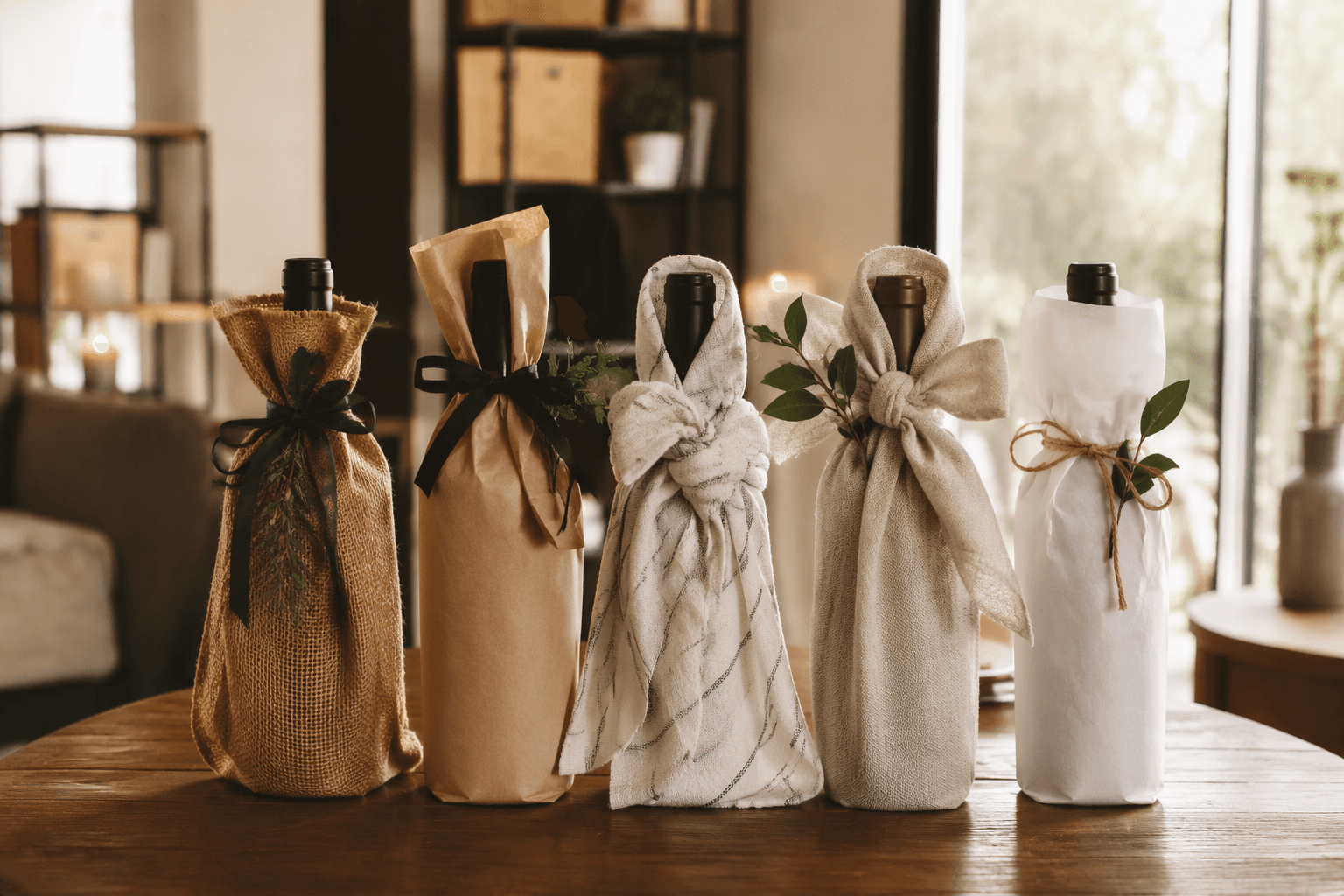
The etiquette conversation is not perfectly uniform. Chatelaine’s “Six tips when an invitation says ‘no gifts please’” argues that it is always polite to bring a small gift, and its examples are intentionally easy to receive: flowers, chocolate, a plant, wine, cocktail napkins, candles, stationery, or a coffee table book. That is the logic of a host gift, something small enough to be gracious, not burdensome.
Still, that advice sits in tension with Emily Post style guidance, which puts more weight on the host’s wording itself. If you follow the more conservative reading, the invitation’s language wins. If you follow the more traditional host-gift instinct, keep it modest and consumable, and only do it when you are confident the host will not feel pressured to display, store, or reciprocate. A bottle of wine or a box of chocolate can be elegant; a bulky serving platter can feel like a homework assignment.
What to say if you want to respect the request
The easiest language is plain and warm. Try: “Thanks for inviting me. I’m looking forward to celebrating with you,” or “I’m respecting your no-gifts request, and I can’t wait to see the new place.” Those lines acknowledge the invitation without turning the wording into a negotiation.
If you want to offer help, make that offer concrete. “If you need a hand before guests arrive, I’m happy to come early,” is more useful than a vague “Let me know if you need anything.” In a housewarming context, practical help often feels more luxurious than any wrapped object because it reduces stress immediately.
Why this etiquette keeps coming back
This question has been part of etiquette for a long time. On July 10, 2025, Emily Post Institute referenced Emily Post’s 1938 radio show segment “The Right Thing to Do,” in which she was asked about bringing a gift. The fact that the same question still circulates says less about housewarming parties than about a deeper social tension: people want to show affection, but they also want to respect limits.
Realtor.com’s Nov. 8, 2018 housewarming etiquette coverage shows the same uncertainty around housewarming-party norms. These gatherings sit at the intersection of celebration and logistics, which is exactly why “no gifts” can be so useful. It lets the host set the terms before the first box is opened, and it gives guests a clear way to avoid turning a welcome into another chore.
The safest housewarming gift is sometimes no gift at all
For a host who is still settling in, the most elegant answer is often the one that leaves the fewest decisions behind. A sincere note, a future offer of help, or a small consumable sent only when welcome can feel more generous than something expensive that needs a permanent place. In a new home, the real luxury is not more stuff. It is the rare guest who reads the room, respects the boundary, and makes the day easier to enjoy.
This article was produced by Prism’s automated news system from verified source data, official records, and press releases, then run through automated quality and moderation checks before publishing. The system is built and supervised by the people who set the standards it runs under. Read our full AI policy.
Did this article answer your question?