Why Bread, Salt, and Wine Make the Perfect Housewarming Gift
A loaf, a pinch, and a pour turn George Bailey’s blessing into a housewarming formula that feels polished, personal, and easy to tailor.

Why the simplest housewarming gift still feels luxurious
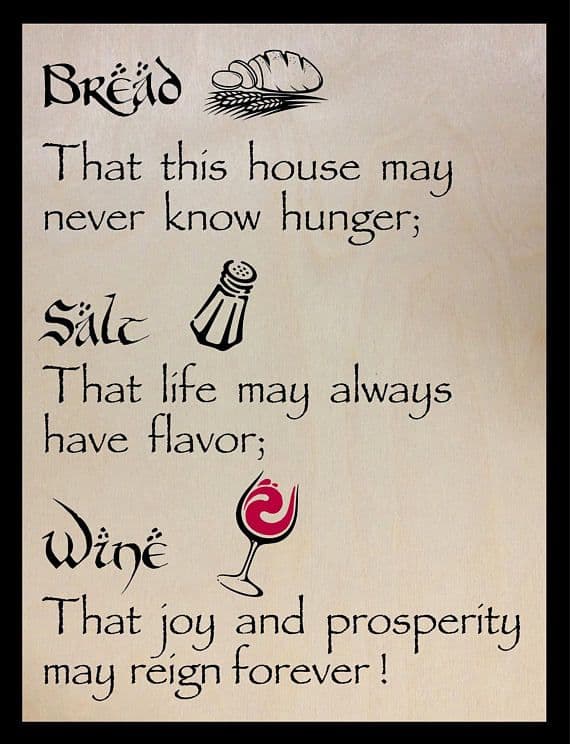
If you want a housewarming gift that feels thoughtful without turning into a shopping project, start with the small blessing at the center of *It’s a Wonderful Life*. In Frank Capra’s 1946 film, George and Mary Bailey arrive at the Martins’ new home with bread, salt, and wine, and the gesture lands because it says everything at once: “Bread! That this house may never know hunger. Salt! That life may always have flavor. And wine! That joy and prosperity may reign forever.”
That scene has endured for a reason. The film, directed and produced by Frank Capra and based on Philip Van Doren Stern’s 1943 booklet *The Greatest Gift*, stars James Stewart as George Bailey and turns a tiny domestic moment into a complete philosophy of hospitality. It also became a holiday fixture in part because a copyright lapse left it in public-domain circulation for years, which helped make repeated television airings part of the season, before Republic Pictures reasserted rights in the 1990s. The movie later earned five Academy Award nominations in 1947, including Best Picture, Best Director, and Best Actor, and was added to the Library of Congress National Film Registry in 1990.
What bread, salt, and wine actually symbolize
Bread is the most literal part of the gift, which is exactly why it works. It stands for nourishment, comfort, and the basic hope that a home will never feel empty in spirit or in the pantry. Salt does more than season dinner, it gives the whole ritual its edge, suggesting flavor, permanence, and the small everyday pleasures that make a house feel lived in.
Wine completes the blessing by turning arrival into celebration. It signals joy and prosperity, but it also does something practical: it gives the host a reason to open a bottle on the first night, rather than leave the gift sitting untouched on a counter. That mix of symbolism and usefulness is what makes the trio feel so current, even though the tradition itself reaches back much farther, with bread-and-salt hospitality traditions appearing across Russian, German, and Jewish customs.
Bread, upgraded for the modern table
The bread piece can be as modest or as dressed-up as you want, but the key is to make it feel abundant. A loaf from a beloved bakery is the most direct version, and Goldbelly makes that easy to do at scale: Barney Greengrass braided challah is $9.95, Russ & Daughters challah is $10, and if you want something more substantial for a dinner table, Mark’s Off Madison’s choose-your-own two-pack is $54.95. Those are gifts people actually eat the same night, which is part of the charm.
If you want the bread to stay on the table after the loaf is gone, give it a vessel with staying power. Williams Sonoma’s Cane Bread Basket is $34.95, and the Nito Bread Basket is also $34.95, with its handwoven construction by village artisans in the Philippines giving it a more collected, less disposable feel. For a more polished, architectural version, the Ceramic Woven Bread Basket is $79.95, and its glazed stoneware body makes the whole gesture look considered rather than casual.
A good bread gift should feel warm, not random. The best versions are the ones that make the kitchen table look instantly ready for company.
Salt, upgraded from pantry staple to design object
Salt is where this tradition can become surprisingly chic. At the entry level, Crate & Barrel’s Acacia Salt Cellar is $19.95, with a swivel lid and a warm wood grain that looks better than the usual plastic or tin container. If you want something cooler and more sculptural, the French Kitchen Marble Salt Cellar is $26.95, and marble gives the ritual a little more weight in the hand and on the counter.
For a more luxurious take, Williams Sonoma’s Olivewood Salt Cellar is $39.95, and it has the kind of warm, natural finish that feels especially appropriate for someone who cooks often. The Olivewood Double Salt Cellar with Spoon is $109.95, which is the version for a serious home cook who likes a dedicated place for finishing salt and a spoon that lives with it. If the recipient already owns every container they need, skip the vessel and give the seasoning itself: Jacobsen Salt Co.’s Infused Salt Gift Set runs from $39.95 to $79.90, and it turns the “salt” part of the blessing into something that can actually change dinner.
That is the secret to a good salt gift. It should make ordinary food taste more intentional the minute it enters the house.
Wine, the part that turns a housewarming into a toast
Wine does not have to be expensive to feel celebratory. Total Wine lists La Vostra Prosecco at $11.99, Borrasca Prosecco DOCG at $16.99, and Bottega Oro Prosecco at $29.99, which gives you a clean range from easygoing to a little more polished. Sparkling wine is especially smart for a housewarming because it telegraphs occasion without demanding that the host save it for some future moment.
If you want to bring the mood up a notch, half-bottles are one of the most elegant moves in the category. Wine.com lists Laurent-Perrier La Cuvée Brut in a 375 ml half-bottle at $40.34 and Veuve Clicquot Yellow Label Brut in a half-bottle at $48.99, which makes the gift feel celebratory without asking the host to commit to a full bottle on a night when they may already be juggling takeout, boxes, and a dozen other small decisions. A smaller sparkling bottle is often more gracious than a bigger one, because it respects the size of the moment.
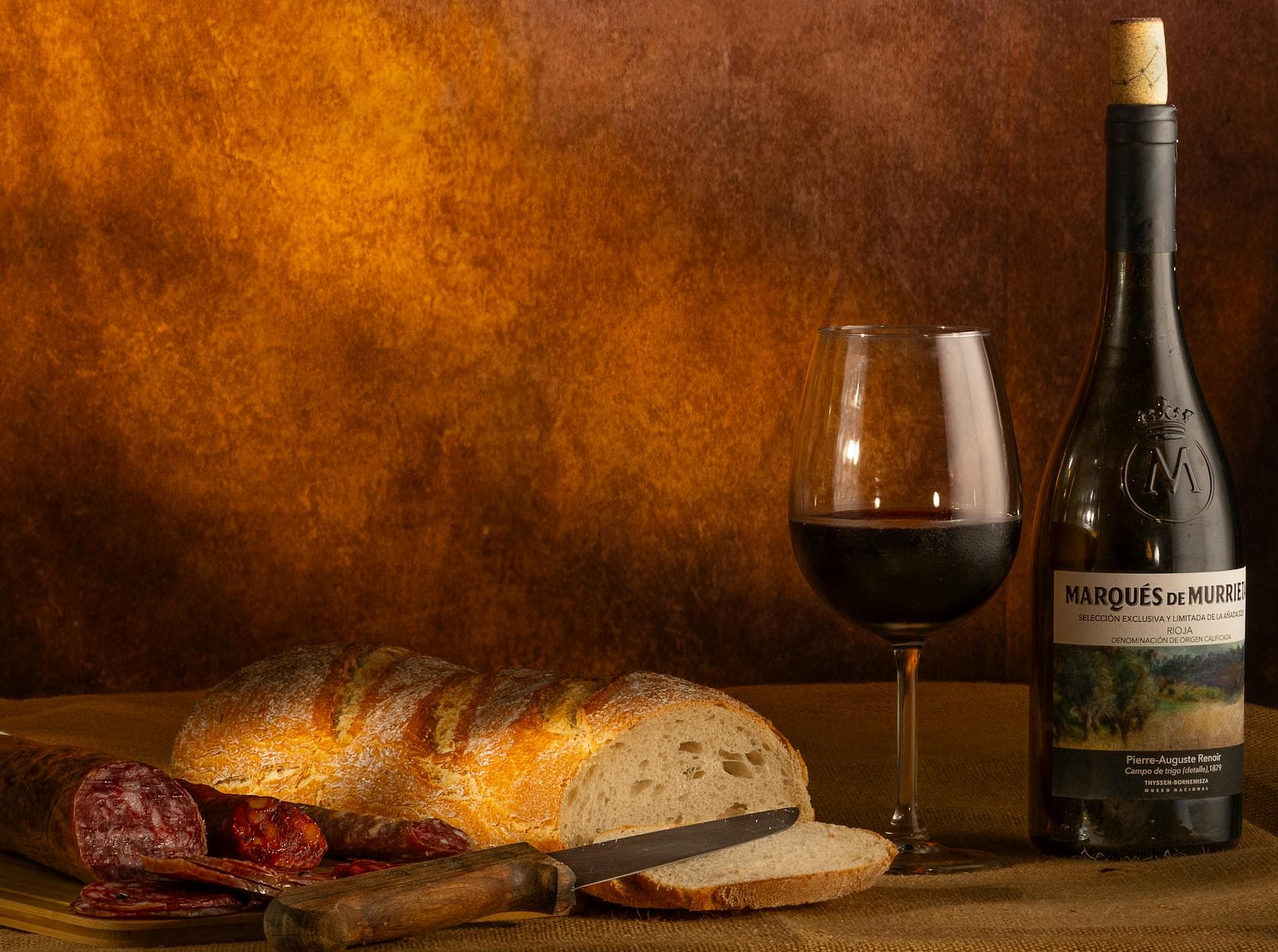
The best wine gift is the one that feels ready the second it crosses the threshold.
How to make the trio feel like a present, not groceries
The difference between this ritual and a last-minute stop at the store is presentation. Put the bread in a beautiful basket lined with a cloth napkin, tuck the salt into a cellar that looks nice left out on the counter, and chill the wine so the host does not have to think about it. If you want the whole thing to feel especially polished, choose materials that echo one another, such as woven rattan, stoneware, marble, or olivewood.
The magic is in the combination. Bread brings warmth, salt brings character, and wine brings the first toast. Together, they read as a complete welcome rather than a single object, which is why the formula feels right for a first apartment, a new family home, or any table that deserves to begin with abundance.
Why the blessing still endures
*It’s a Wonderful Life* survived because it understood something many gifts miss: hospitality is emotional before it is practical. The film’s long life on television, its 1990 National Film Registry placement, and the five Oscar nominations it received in 1947 all helped cement its place in American memory, but the housewarming scene lasts because it is useful in real life. It gives you a script for generosity that is modest, elegant, and hard to outgrow.
A loaf, a pinch, and a pour still make the cleanest housewarming formula around, because they promise exactly what a new home is supposed to hold: enough to eat, enough to savor, and enough reason to celebrate.
This article was produced by Prism’s automated news system from verified source data, official records, and press releases, then run through automated quality and moderation checks before publishing. The system is built and supervised by the people who set the standards it runs under. Read our full AI policy.
Did this article answer your question?