Why Koreans Bring Toilet Paper and Detergent to Housewarmings
Skip the bottle of wine. In Korea, toilet paper and detergent are thoughtful housewarming gifts because they signal smooth days, prosperity, and respect.
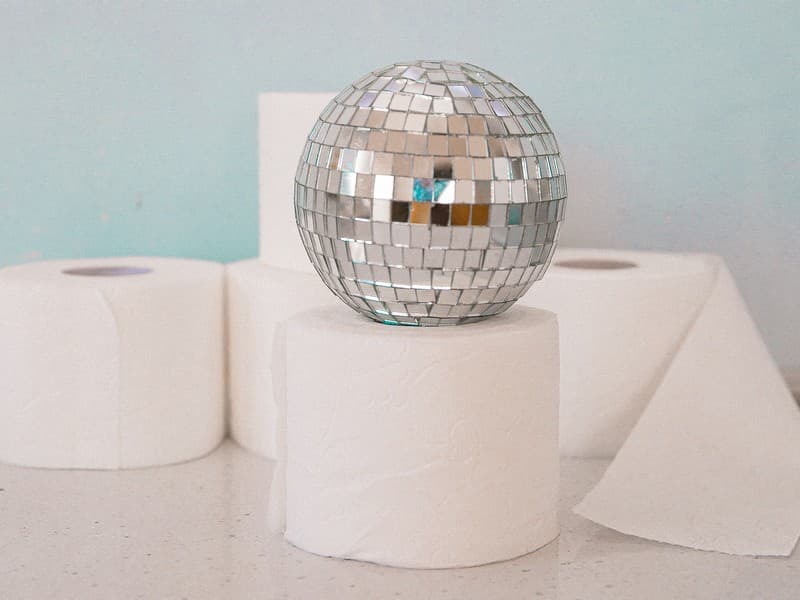
What to bring to a Korean housewarming
In Korea, the safest housewarming gift is often the most unexpected one: a roll of toilet paper. Add a bottle of laundry detergent, and you are suddenly speaking the language of jipdeuri, the Korean housewarming custom built around usefulness, symbolism, and good manners. This is not about stinginess or practicality for its own sake. It is about giving something that helps the new home run smoothly while also carrying a wish for luck, wealth, and an easy start.
At its best, the gesture feels more intimate than a glossy hostess gift in the United States. Where an American housewarming might lean toward wine, cheese, or something decorative, a Korean housewarming prize often lies in objects that will actually get used, with meaning embedded in the everyday.
Why toilet paper makes sense
Toilet paper is the classic jipdeuri gift because the long roll carries a simple, satisfying wish: may life in the new home continue without interruption and “roll out” smoothly. Stars and Stripes Korea describes it as a wish for continued success and good health as the paper unwinds, which gives an ordinary household staple an unusually graceful meaning. It is the kind of gift that looks humble at first glance, then becomes quietly elegant once you understand the message.
That symbolism is exactly why toilet paper works so well for housewarmings. It is useful, inexpensive, and culturally legible, which makes it feel thoughtful rather than performative. A neatly wrapped multi-pack says you paid attention to the custom, not just the occasion.
If the host already has more toilet paper than they can reasonably use, the fallback is simple: bring paper towels or facial tissues instead. The Korea Herald notes these as acceptable substitutes, and they preserve the same practical spirit without feeling repetitive.
Why detergent is just as meaningful
Laundry detergent is the other staple gift because its bubbles are associated with wealth, prosperity, and abundance. That image matters. In a new home, detergent turns a chore into a symbol, and the foamy lather becomes a wish that the household will be full rather than lacking.

This is where Korean gifting etiquette feels especially elegant. The point is not to impress with price. It is to choose an item that fits the life stage and carries a blessing inside the object itself. A standard detergent pack, beautifully chosen and cleanly presented, can feel more considerate than an expensive but awkward decorative item.
You can think of detergent, toilet paper, and other cleaning supplies as part of the same visual vocabulary. They all point toward order, readiness, and the quiet dignity of a home that is set up to thrive.
What else fits the custom
Plants also belong comfortably in this category, especially when you want a gift that feels a little more personal. A plant adds life to a new apartment or house, and in the context of housewarming, it reads as a fresh start, growth, and endurance. It is the more decorative cousin of the practical gifts, but it still works because it suggests a home that will take root and flourish.
Cleaning supplies fit for the same reason. They are not glamorous, but they are thoughtful because they acknowledge the reality of moving in, unpacking, and settling down. In a culture where practical items are valued and symbolic meanings matter, that combination is a feature, not a flaw.
The old meaning behind jipdeuri
Jipdeuri originally referred to the actual move into a new house. Historical descriptions say the occasion included a ritual to thank the spirits and pray for luck and protection in the new abode. That older layer helps explain why the custom still feels so grounded today. The gift is not just for the owner’s convenience; it is part of ushering the household into a safer, more fortunate chapter.
My Korean Lesson captures the spirit neatly: a Korean housewarming is not simply about showing off a new home, but about celebration, cultural meaning, and symbolic gifts that represent good fortune. That is why the best presents tend to be useful first and decorative second. They belong to daily life, which is exactly where the blessing is supposed to land.
What to avoid bringing
Some gifts are avoided because they are seen as inauspicious. Knives and scissors can suggest cutting ties or severing good fortune, and shoes are also considered unlucky in this setting. Those may be perfectly ordinary gifts in other cultures, but at a Korean housewarming they can land badly, especially if you do not know the host well.
That difference is one of the easiest ways to avoid an embarrassing misstep. In the United States, a sharp kitchen knife set might read as practical and generous. In a Korean setting, that same logic can collide with symbolism, which is why it is better to stay with the safer vocabulary of cleansing, continuity, and growth.
When cash is acceptable
There is one more layer to know: in some contexts, cash in an envelope is acceptable, especially for closer relationships. That option reflects a broader tradition of Korean gift etiquette, where the relationship itself matters as much as the object. With close friends or family, an envelope can feel less like a shortcut and more like a socially fluent choice.
Even then, the custom tends to emphasize courtesy. The envelope is not a cold transaction; it is a way of acknowledging the move in a direct and useful form. If you are unsure, though, toilet paper and detergent remain the most culturally fluent answers.
What the host usually does in return
The exchange does not end with the gift. Hosts traditionally prepare and serve a full meal for guests at a housewarming, turning the visit into an act of hospitality rather than a simple drop-by. One commonly cited spread includes japchae and bindaetteok, dishes that make the gathering feel generous and celebratory without losing its domestic scale.
That reciprocity is part of what makes jipdeuri feel so complete. Guests arrive with symbols of luck and usefulness; hosts respond with food, warmth, and a table that says the new home is already alive with community. In that sense, the toilet paper is not a joke gift at all. It is a small, intelligent token that carries the right wish at exactly the right moment.
This article was produced by Prism’s automated news system from verified source data, official records, and press releases, then run through automated quality and moderation checks before publishing. The system is built and supervised by the people who set the standards it runs under. Read our full AI policy.
Did this article answer your question?