Zillow's Expert Guide Covers Every Detail of Hosting a Housewarming Party
Throwing a housewarming? Zillow's expert guide walks you through every detail, from timing your party to feeding your guests right.
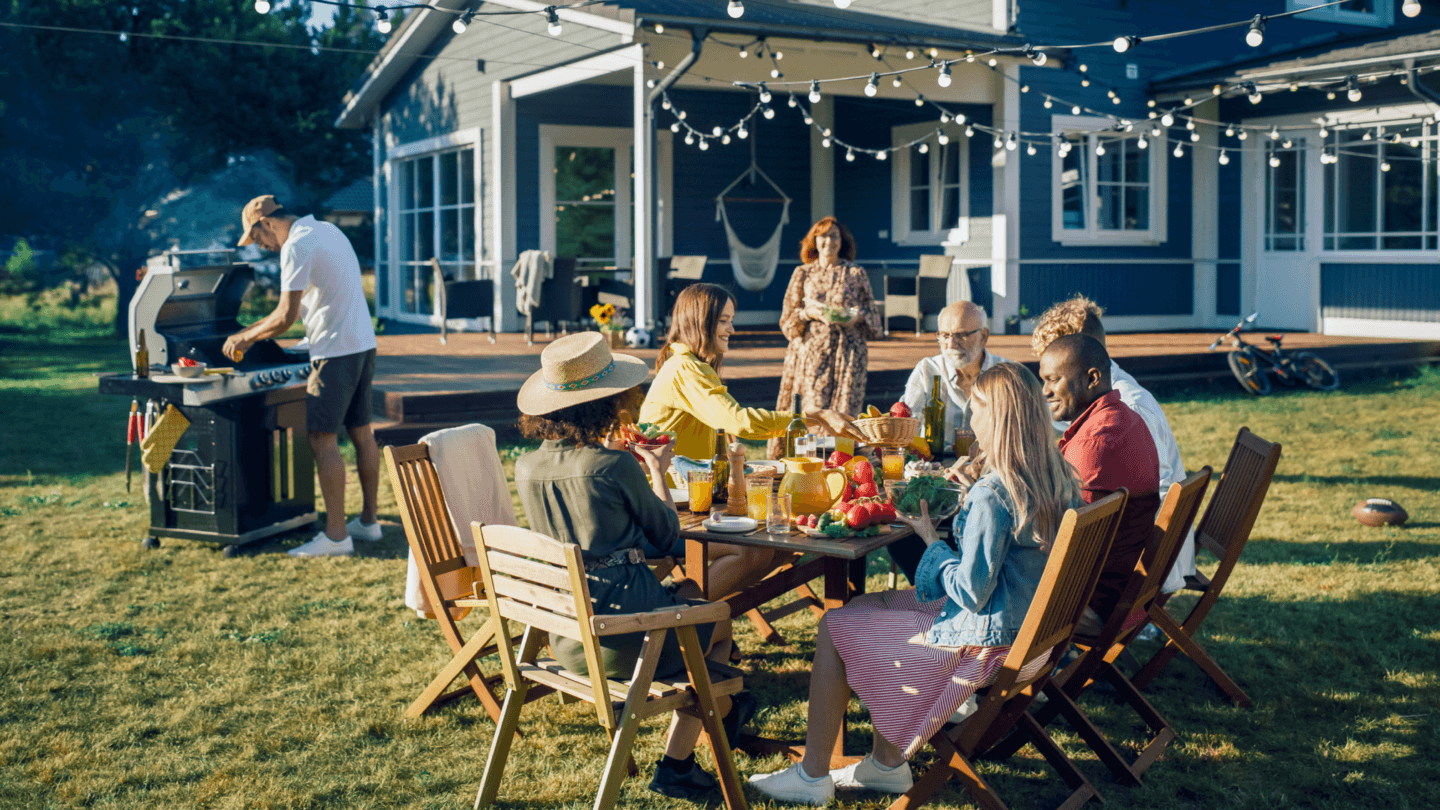
Moving into a new home is one of life's genuinely exciting milestones, but the question of how and when to celebrate it with the people you love is trickier than it looks. Boxes are everywhere, you haven't found your rhythm in the kitchen yet, and somehow everyone expects a party. Zillow's Expert Advice guide on hosting a housewarming cuts through that overwhelm with practical, specific guidance on every decision you'll actually face, from setting the date to feeding a crowd in a space you're still figuring out.
When to actually throw the party
The single biggest mistake new homeowners make is feeling pressured to host immediately. Zillow's guide pushes back on that instinct, noting that waiting weeks or even months after moving in is completely normal, and honestly, smarter. You want to be settled enough to enjoy your own party. That means your furniture is where you want it, you know where the extra toilet paper lives, and you can give someone a real tour instead of apologizing for unpacked boxes in every room. There's no etiquette rule that says a housewarming has to happen within the first two weeks. Give yourself grace, pick a date that feels right, and your guests will have a far better time because you're actually relaxed.
Building your guest list
Who you invite shapes everything else about the party, including the format, the food, and how you prepare your space. A housewarming is one of those rare events where it's genuinely acceptable to mix social circles: coworkers, old friends, family, and neighbors can all land on the same list without it feeling forced, because the home itself is the common thread. That said, be honest with yourself about capacity. Zillow's guidance here is rooted in practicality: your new space has real limits, and overcrowding a home you've just moved into creates stress, not celebration. Consider whether you want an intimate dinner with your closest people or a wider open-house situation, and build your guest list from that decision outward, not the other way around.
Choosing your format: open house vs. sit-down dinner
This is the fork in the road that determines almost every other planning decision. Zillow's guide breaks down two primary formats, and the differences are significant.
An open-house or drop-in format works beautifully for larger guest lists and homes that you're still organizing. Guests arrive and leave across a window of several hours, which means you're never managing a room of 40 people simultaneously, your food can be grazing-style rather than plated, and the whole thing feels relaxed and low-pressure. It's also forgiving of a home that isn't perfectly staged in every corner.
A sit-down dinner is an entirely different commitment. It's more intimate, more memorable, and significantly more logistically demanding. You need seating for everyone, a cohesive menu that can be timed and served, and a dining space that's fully functional. This format is ideal when your new home has a dining room you're genuinely proud of and a guest list small enough to actually have a conversation with. If you've just moved in and your dining table is still waiting on a delayed delivery, a drop-in works far better.
Food and drink logistics
The format you choose dictates your food strategy, but either way, the Zillow guide emphasizes keeping things manageable. For an open-house format, think boards, bites, and things people can eat while standing and holding a drink. You don't need a full catering spread; you need enough variety that people feel genuinely fed rather than just snacked at. For a sit-down dinner, plan a menu that can be largely prepped in advance, so you're not disappearing into the kitchen while your guests are getting acquainted with your living room.
Drinks are worth thinking through carefully in a new home, because you may not have fully stocked your bar or figured out where everything lives yet. A signature batch cocktail or a simple wine-and-beer setup is infinitely easier to manage than a full open bar when you're still learning your own kitchen's flow. Having a non-alcoholic option that feels intentional rather than afterthought, a house-made lemonade or a sparkling mocktail, always lands well.
Decor and space preparation
You don't need to fully decorate a new home before hosting a party in it. In fact, part of the charm of a housewarming is that guests get to see the space in its early life, still being shaped by the person who lives there. Zillow's guidance on decor is refreshingly practical: focus on the rooms your guests will actually use. Make sure the entryway makes a good first impression, the main gathering space feels welcoming and has enough seating, and the bathroom is spotless and fully stocked.
Simple touches go a long way: fresh flowers, candles, and good lighting do more for a new space than any amount of art on the walls. If certain rooms are still a work in progress, close the doors. Guests will understand; most of them have moved before.
Access and flow
One detail that often gets overlooked until the day of the party is how guests will actually move through your home. Zillow's guide touches on this directly. Where will people park? Is there a clear path to the front door? If you have a dog or a security system that guests might trigger, who's handling that? For guests with mobility considerations, is the main gathering space on an accessible floor?
Walk through your home the morning of the party as if you're arriving as a guest. Identify anything that creates friction, a confusing entrance, a doorbell that doesn't work, a hallway too narrow for guests to pass each other, and solve it before anyone shows up. The best parties feel effortless, and that effortlessness is usually the result of the host solving every small logistical problem before the first guest rings the doorbell.
A housewarming isn't about showing off a perfect home. It's about sharing a new chapter with people who matter to you. Get the timing right, choose a format that suits your actual space and energy, feed people well, and let the rest be imperfect. The house will keep getting better; the memory of that first gathering is made the moment it happens.
Know something we missed? Have a correction or additional information?
Submit a Tip
%3Aformat(webp)%2Fimages%2F2026%2F03%2F04%2F8043-thrifty-new-homegoods-finds-were-obsessing-over-in-march.jpg&w=1920&q=75)