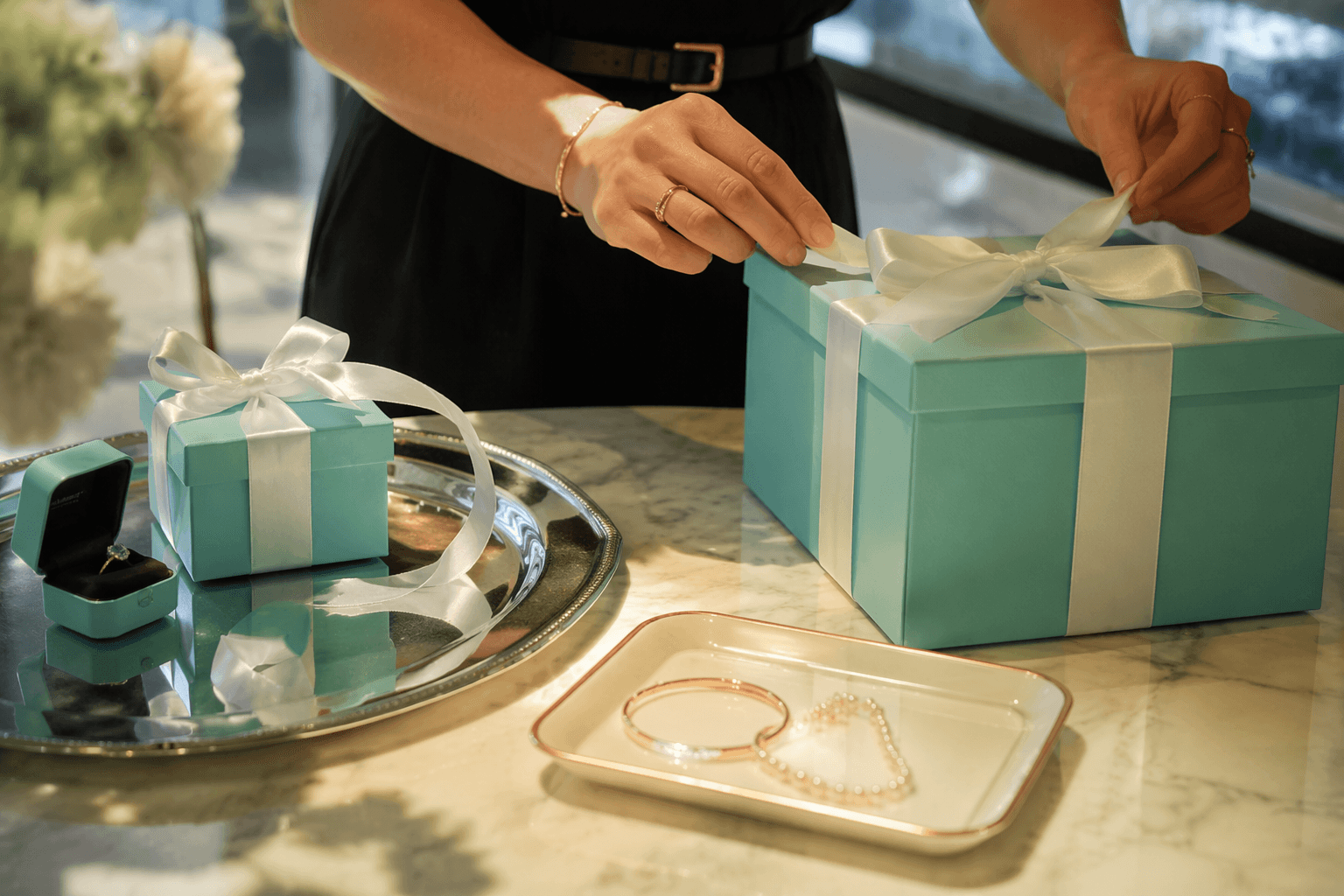
American Gem Society Guide Helps Buyers Choose Fine Jewelry Gifts Confidently
Fine jewelry gifts intimidate even confident shoppers; the American Gem Society's buying guide cuts through the confusion with clear, expert-backed guidance on metals and gems.
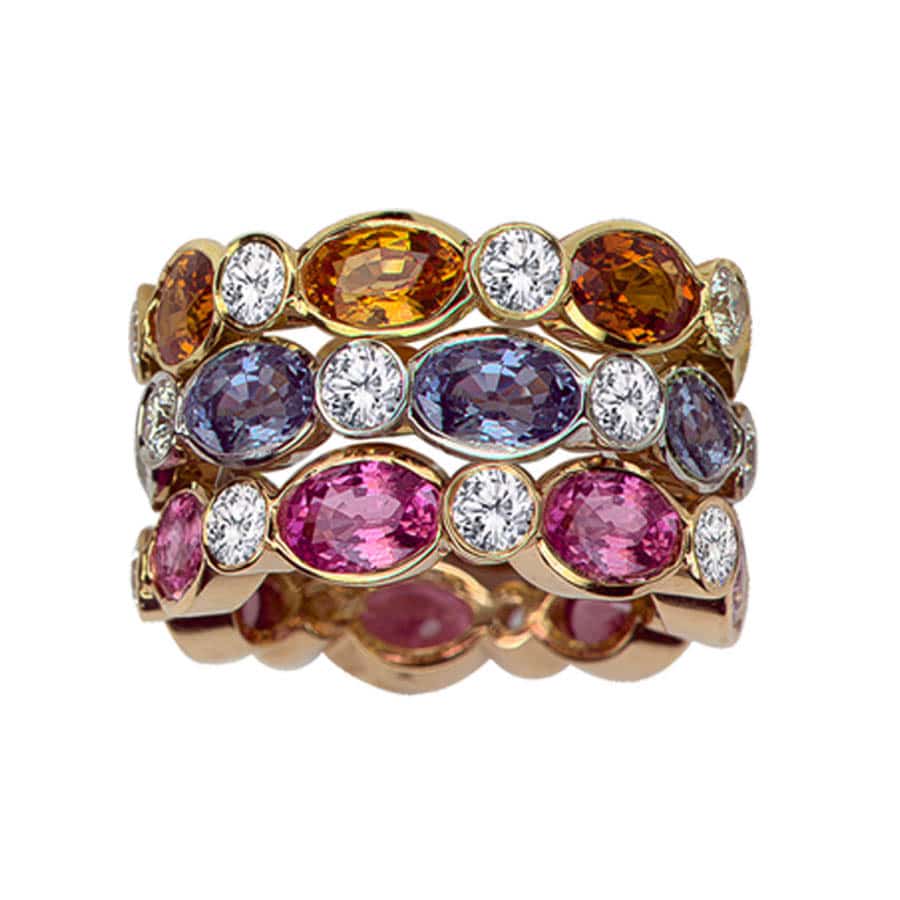
Fine jewelry is one of the most personal gifts you can give, and also one of the easiest to get wrong. Walk into any jeweler without a working knowledge of karats, gemstones, or metal types, and you're essentially handing over your credit card and hoping for the best. The American Gem Society's jewelry buying guide exists precisely to close that gap, giving gift-givers a reliable, expert-backed framework before they ever step foot in a store or start scrolling online.
What makes this resource worth your time is its authoritativeness. The American Gem Society is not a retailer with a vested interest in pushing you toward a particular piece; it's an organization built around gemological education and ethical standards in the jewelry industry. That independence matters when you're trying to learn rather than be sold to.
Understanding metal choices before you buy
One of the first decisions you'll face when buying fine jewelry is the metal. Gold is the classic choice, but "gold" is not a single material. The karat system tells you how much pure gold is actually present in a piece: 24-karat gold is pure gold, which is too soft for most jewelry, so you'll typically see 18-karat (75% pure gold) and 14-karat (58.3% pure gold) in fine jewelry settings. The higher the karat, the richer the color and the greater the gold content, but also the more susceptible the piece is to scratching over time.
Then there's the question of gold color. Yellow gold reads as classic and warm. White gold is plated with rhodium to achieve its bright silver appearance, which means it can require re-plating over the years. Rose gold, with its pinkish warmth, has surged in popularity and tends to feel modern without being trendy in the way that could date a piece.
Platinum sits in its own category entirely. It's denser and heavier than gold, naturally white without any need for plating, and extremely durable. A platinum setting is often the right call for engagement rings or heirloom-level pieces meant to last decades. It typically costs more than gold, which is worth factoring into your budget, but the durability argument is real.
Gemstones: where the emotional weight lives
If metal is the architecture of a piece, gemstones are where the meaning lives. The American Gem Society's guide addresses gemstone basics in a way that helps buyers make decisions based on both beauty and practicality.
The most important practical distinction to understand is natural versus lab-created stones. Natural gemstones are formed in the earth over millions of years and carry the price premium that rarity commands. Lab-created stones are chemically and physically identical to their natural counterparts but are produced in controlled environments, which brings the cost down significantly. Neither is inherently better; it depends entirely on what matters to the person receiving the gift. Some people place enormous value on the natural origin of a stone. Others are more interested in getting a visually stunning piece at a price that makes sense.
Durability is another factor that rarely gets discussed in gift-giving contexts but absolutely should be. The Mohs hardness scale rates minerals on their resistance to scratching from 1 to 10. Diamonds score a 10, making them the hardest natural substance and the practical choice for pieces worn every day, like engagement rings or everyday bracelets. Sapphires and rubies (both varieties of corundum) score a 9, still excellent for daily wear. Emeralds, though precious and beloved, score between 7.5 and 8 and have natural inclusions that can make them more vulnerable to chips. If you're buying a ring for someone with an active lifestyle, stone durability matters as much as aesthetics.
Matching the gift to the person
This is where the practical knowledge becomes a gifting instinct. A fine jewelry gift that's technically beautiful but completely wrong for the recipient's life is a miss, regardless of price.
Consider a few key factors:
- Lifestyle: Does this person work with their hands, exercise regularly, or wear jewelry only on special occasions? A hard-wearing diamond solitaire in platinum makes sense for the first type; a delicate emerald pendant might be perfect for the second.
- Metal sensitivity: Some people have reactions to certain metal alloys. Platinum and high-karat gold are less likely to cause issues than lower-karat gold blended with nickel.
- Personal style: Look at what they already wear. Do they gravitate toward yellow gold or silver-toned metals? Bold statement pieces or understated elegance? A piece that clashes with their existing aesthetic, however beautiful in isolation, won't get worn.
- Birthstones and significance: Birthstone jewelry remains one of the most thoughtful categories in fine gifting because it signals that you paid attention to who they are, not just what looks good in a store window.
What to look for in a reputable jeweler
Knowing what you want is only half the equation. You also need to buy it from someone you can trust. The American Gem Society trains and certifies jewelry professionals, which means looking for jewelers who hold AGS credentials is a meaningful filter when you're evaluating where to shop. These professionals are held to ethical standards around gemstone grading and disclosure, which matters enormously when you're buying something you can't fully evaluate yourself.
Ask any jeweler for gemstone certifications on significant stones, particularly diamonds. Independent grading reports from recognized gemological laboratories give you an objective assessment of a stone's quality, separate from the jeweler's own description.
Fine jewelry gifting, done right, is one of the most lasting ways to mark a moment. A piece chosen with real knowledge behind it, metal selected for durability and preference, stone chosen for meaning and wearability, bought from a credentialed professional, doesn't just sit in a jewelry box. It becomes part of how someone tells the story of their life. That's worth the extra time it takes to get it right.
This article was produced by Prism’s automated news system from verified source data, official records, and press releases, then run through automated quality and moderation checks before publishing. The system is built and supervised by the people who set the standards it runs under. Read our full AI policy.
Did this article answer your question?