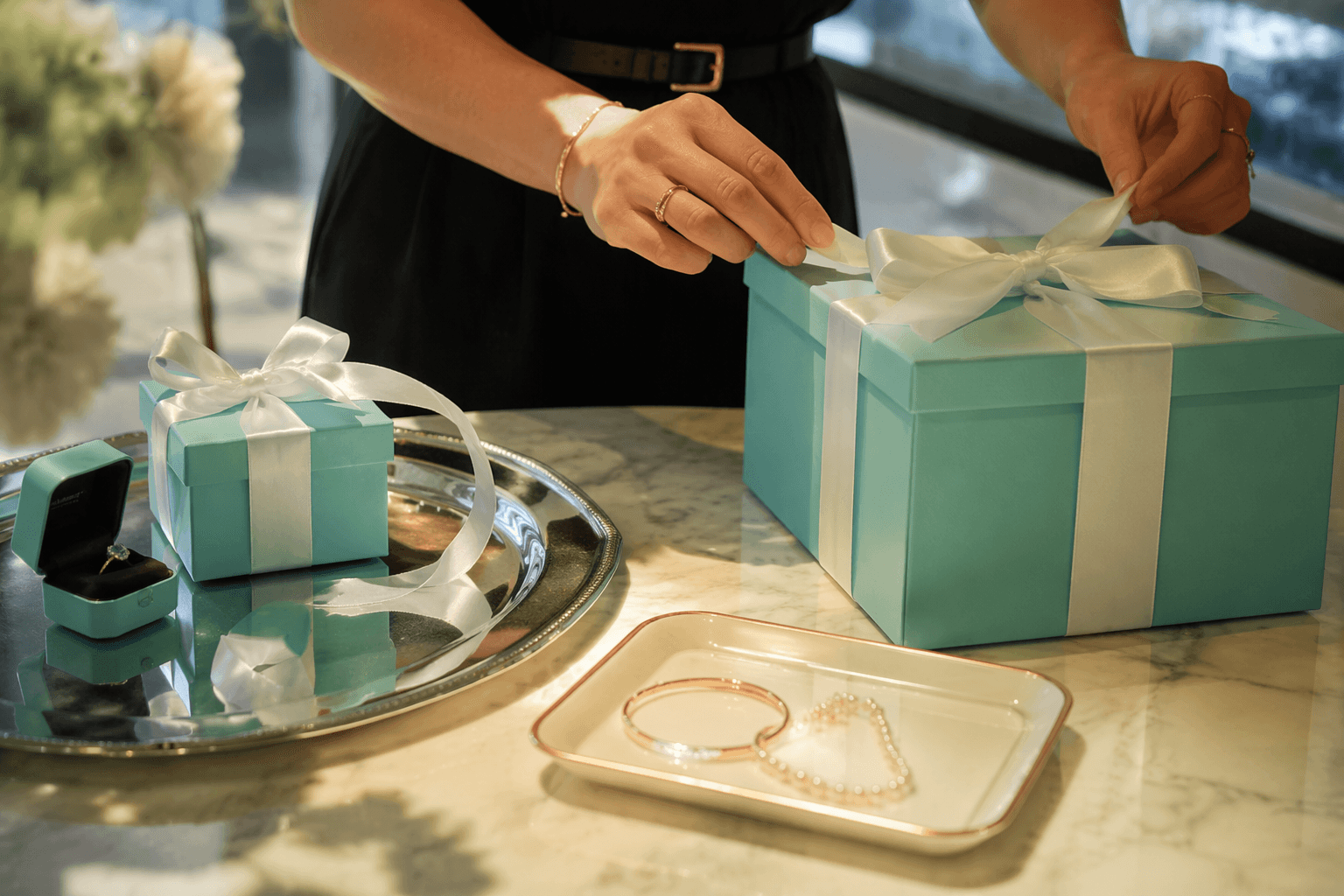
Buying a Diamond: Your Complete Guide to the 4Cs, Budget, and Certification
Cut is the single most important of the 4Cs, and knowing that one fact before you walk into a jeweler can save you thousands.
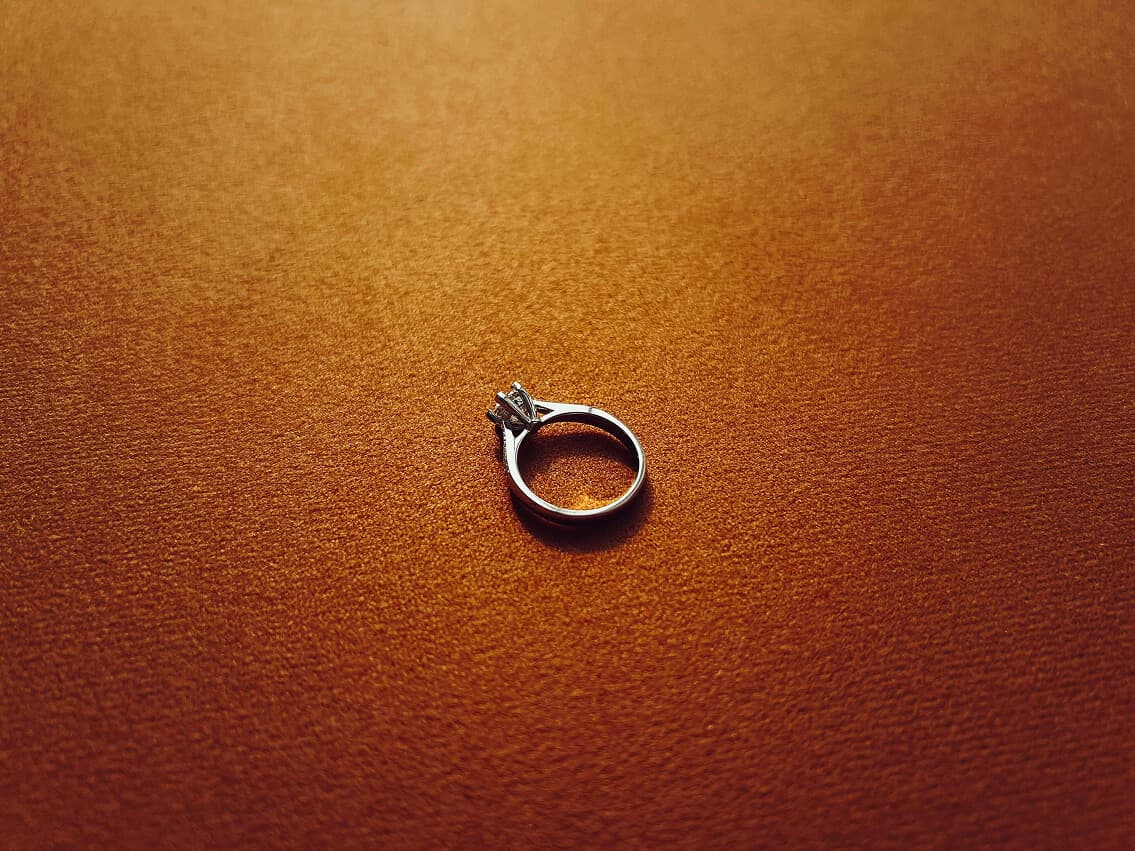
Few purchases carry as much weight, literally and emotionally, as a diamond. Whether you're shopping for an engagement ring or a significant anniversary gift, the process is full of variables that can feel overwhelming without a clear framework. The good news: most of the confusion dissolves once you understand five things: your budget, the 4Cs, the natural-versus-lab-grown question, certification, and a handful of buying strategies that jewelers rarely volunteer.
Set Your Budget First
Before you learn a single thing about diamonds, decide what you can genuinely spend. The old "two months' salary" rule is a marketing invention, not a financial guideline. Your budget determines every subsequent decision: which carat weight is realistic, which quality trade-offs make sense, and whether a natural or lab-grown stone serves you better. Go in with a number, not a range, and treat it as a ceiling rather than a target.
Understanding the 4Cs
The Gemological Institute of America created the 4Cs framework, and it remains the universal language of diamond quality. The four criteria are cut, color, clarity, and carat, and they interact in ways that can dramatically shift a stone's appearance and price.
Cut is the most important of the four and the one most worth spending on. It refers not to shape (round, oval, pear) but to how precisely a diamond's facets are angled and proportioned to reflect light. A poorly cut two-carat stone will look duller than a well-cut one-carat stone. GIA grades round brilliant cuts from Excellent down to Poor; prioritize Excellent or Very Good.
Color grades run from D (colorless) to Z (light yellow). The differences between adjacent grades are nearly invisible to the naked eye, but the price jumps are real. For most settings, a G or H grade is the practical sweet spot: it faces up white, costs meaningfully less than D-F stones, and no one at the dinner table will know the difference.
Clarity measures the presence of inclusions (internal) and blemishes (external). The scale runs from Flawless to Included, but you don't need Flawless to get an eye-clean stone. VS2 and SI1 grades frequently appear clean to the naked eye at a fraction of the cost of higher grades. Always ask to view the stone under magnification alongside a loupe-free look, because those are two very different experiences.
Carat is weight, not size, though the two correlate. A one-carat round brilliant measures roughly 6.5mm in diameter. Carat has an outsized effect on price because demand clusters around milestone weights: 0.50, 0.75, 1.00, 1.50, and 2.00 carats. A stone cut to 0.97 carats is visually indistinguishable from a 1.00-carat stone but can cost 15 to 20 percent less. Buying just below these milestones is one of the most reliable money-saving strategies in the industry.
Natural vs. Lab-Grown: A Real Choice
A decade ago, lab-grown diamonds were a niche proposition. Today they are a genuine decision point. Lab-grown diamonds are chemically, physically, and optically identical to mined stones; they are graded on the same 4Cs scale and certified by the same labs. The primary difference is origin and, increasingly, price. Lab-grown diamonds now trade at a significant discount to natural stones of equivalent quality, which means your budget goes much further. The trade-off is resale value: the secondary market for lab-grown diamonds is still developing, and they don't hold value the way rare natural stones can. If the diamond is a long-term heirloom investment, that matters. If the priority is maximizing the visual impact of your ring within a fixed budget, lab-grown is worth serious consideration.
Certification: Why GIA and IGI Are Non-Negotiable
Never buy a significant diamond without an independent grading report. The two most trusted certification bodies are GIA (Gemological Institute of America) and IGI (International Gemological Institute). A certificate from either institution gives you an objective, third-party account of the stone's 4C grades, measurements, and any treatments it has undergone. Without it, you're relying entirely on the seller's word. When a diamond comes with a GIA or IGI report, the report number is laser-inscribed on the girdle of the stone, so you can verify the certificate matches the actual diamond. Always confirm this before purchase.
GIA is widely considered the most conservative grader, meaning its color and clarity grades tend to be stricter than some competing labs. IGI, which grades a significant volume of lab-grown diamonds, uses the same scale. When comparing prices across vendors, make sure you're comparing stones with the same certifying body, because a GIA-graded G/VS2 and an uncertified "G/VS2" are not the same thing.
Buying Strategies Worth Knowing
Two strategies consistently deliver more diamond for the money. The first is buying just below carat milestones, described above. The second is prioritizing cut quality over every other variable. If you're choosing between a larger stone with a mediocre cut and a slightly smaller stone with an Excellent cut, the smaller stone will almost always look better in person and in photographs. Brilliance is the first thing people notice; carat weight on a grading report is not.
Designing a Custom Ring
If you know what you want but can't find it in a preset, custom design is more accessible than most people assume. With Clarity, one of the more prominent online fine jewelry vendors, offers bespoke design services that guide customers through each step, from concept to creation. The process typically begins with selecting a diamond or gemstone, followed by choosing the ideal setting and metal. Custom design consultations help bring a specific vision to life, ensuring every detail, from prong style to band width, aligns with your preferences.
With Clarity's Luxe line represents the higher end of their offering, with the brand emphasizing exquisite craftsmanship and ethical sourcing as its defining attributes. For those who want to build a ring from scratch without a full custom consultation, the Build Your Own feature allows you to choose a diamond and customize details like cut, color, clarity, and carat to complete your engagement ring. It's a practical middle ground between buying a preset and commissioning something entirely bespoke.
A Few Practical Notes Before You Buy
Ask every vendor for the grading certificate number and verify it against the stone. Request to see the diamond in natural light, not just under a jeweler's spotlight. For custom rings, ask about lead times: bespoke pieces typically require several weeks from approval to delivery. Confirm return, resizing, and warranty policies in writing before you pay. And if ethical sourcing matters to you, ask for documentation rather than accepting it as a marketing claim.
The right diamond isn't the biggest one your budget can reach. It's the one with the best cut, a legitimate certificate, and a setting that reflects the person wearing it. Those are the variables worth optimizing.
This article was produced by Prism’s automated news system from verified source data, official records, and press releases, then run through automated quality and moderation checks before publishing. The system is built and supervised by the people who set the standards it runs under. Read our full AI policy.
Did this article answer your question?