Chanel’s Coco Crush returns with Wang Yibo and Leah Dou for Qixi
Wang Yibo and Leah Dou returned for Coco Crush at Chateau Marmont, timed to Qixi and priced from $1,900.
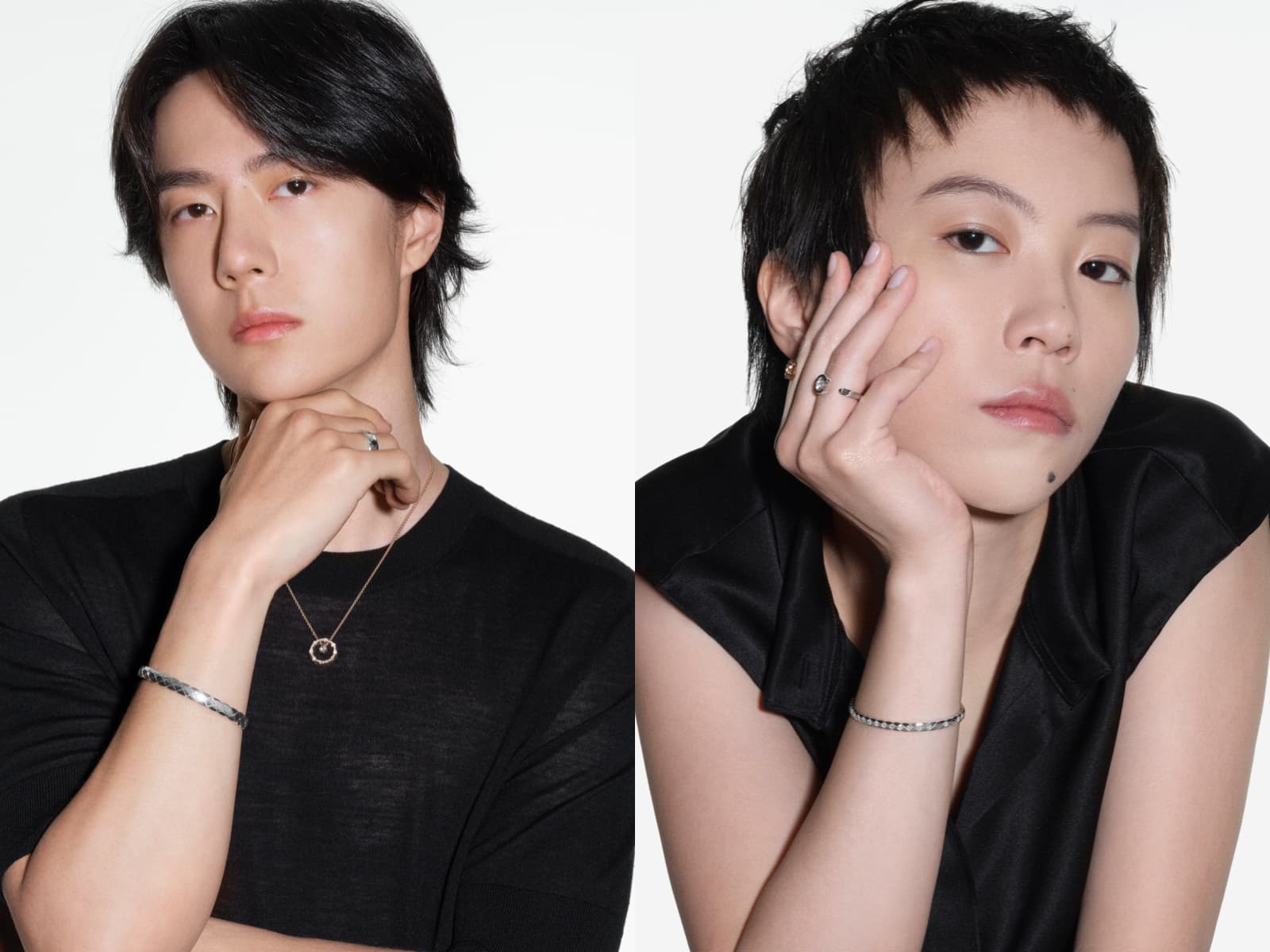
Chanel brought back Wang Yibo and Leah Dou for Coco Crush in a campaign shot at Chateau Marmont in Los Angeles and timed to Qixi, the Chinese Valentine’s Day, giving the fine-jewelry line a clear gift-season push. It was the pair’s second time fronting the collection, and the hotel setting kept the campaign cinematic without losing the intimacy Chanel likes to build around its jewelry.
That matters because Coco Crush is not a sleepy logo exercise. Chanel describes it as one of its bestselling fine-jewelry collections, inspired by the house’s quilted motif, an emblem of Chanel since 1955. The brand frames the line around encounters, the moments when luck and destiny intersect, which is exactly the kind of story that makes a ring or bracelet feel right for a romantic calendar date instead of just another luxury purchase.
The price ladder makes the pitch even sharper. On Chanel’s U.S. site, a Coco Crush mini ring in 18K beige gold is $1,900, a large Coco Crush necklace in 18K beige gold is $5,250, and Coco earrings in 18K beige and white gold with diamonds are $12,800. Chanel also offers the collection in 18K beige gold, yellow gold, or white gold, with or without diamonds, so the line covers everything from a discreet first fine-jewelry buy to a more serious occasion piece.

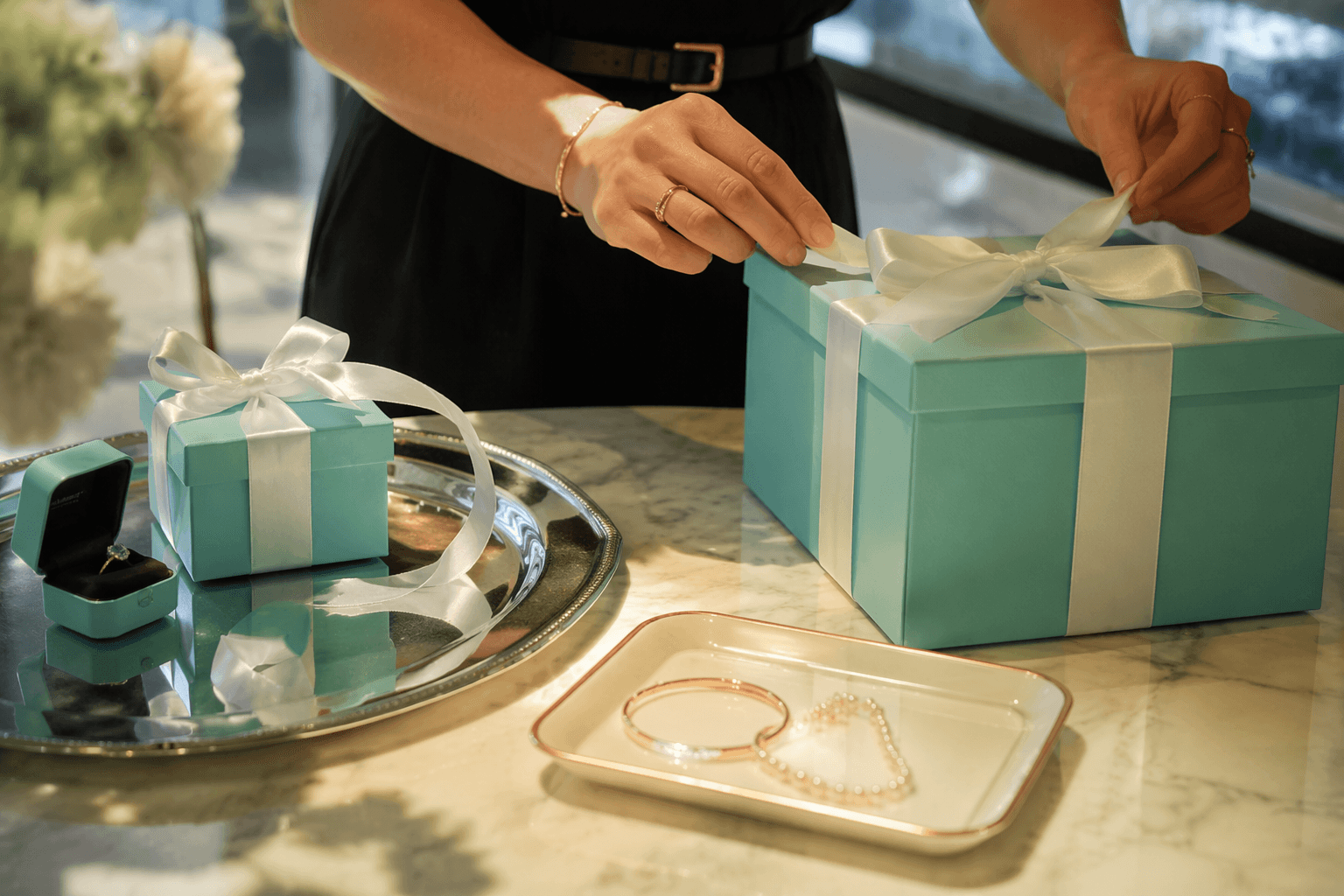
Chanel’s own jewelry pages push shoppers toward boutique appointments, which reinforces how the house wants Coco Crush to be bought and given: as a planned gesture, not an impulse add-on. The packaging and service language make that plain, and the earlier Coco Crush dinner at Chateau Marmont showed Chanel had already decided the Los Angeles hotel was the right stage for this mood. Wang Yibo and Leah Dou sharpen the collection’s relevance by making it feel current in China, romantic for Qixi, and still unmistakably Chanel.
This article was produced by Prism’s automated news system from verified source data, official records, and press releases, then run through automated quality and moderation checks before publishing. The system is built and supervised by the people who set the standards it runs under. Read our full AI policy.
Did this article answer your question?