Christie’s spotlights Van Cleef & Arpels and Cartier in luxury jewel sale
Christie’s New York sale turns heritage jewelry into a gift-buying decoder, with Van Cleef & Arpels reading as romance and Cartier as collector-grade confidence.
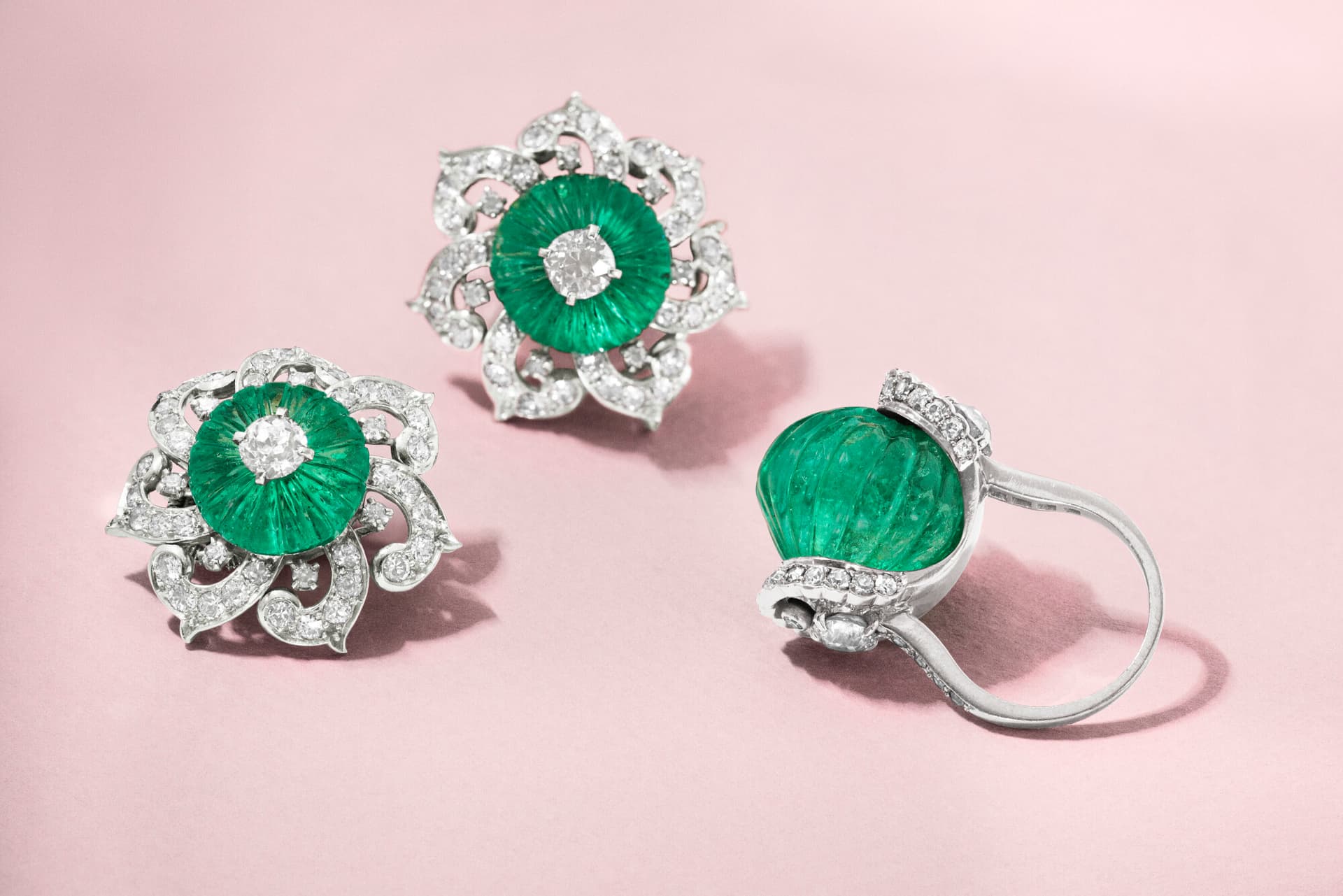
When a gift has to feel emotionally safe and financially significant, heritage jewelry houses do the heavy lifting. Christie’s latest Magnificent Jewels sale in New York put that idea on display with Van Cleef & Arpels and Cartier at the center, surrounded by Bulgari, David Webb, JAR, Tiffany & Co., and notable private collections.
Why heritage names matter when the gift has to land
Christie’s staged Magnificent Jewels featuring The Azure Blue as a live sale in New York on 9 June 2026 at Rockefeller Center, and the surrounding June calendar included additional Magnificent Jewels auctions on 11 June and 17 June. That concentration matters because it shows how much of luxury jewelry buying is about comparison and confidence. A buyer is not only choosing a jewel, but also choosing the house name that will carry its story, its resale logic, and its emotional weight.
In this market, reputation is part of the gift. A well-known maison can make a big-ticket purchase feel less risky because the name itself signals craft, continuity, and value retention. That is why Christie’s framed the sale around houses with strong identities rather than around stones alone. For a gift, that difference is everything.
Van Cleef & Arpels signals romance, heritage, and easy recognition
Van Cleef & Arpels is the house to reach for when the brief is romantic but not overly formal. The maison says it was born from the marriage of Alfred Van Cleef and Estelle Arpels and came into being at Place Vendôme in Paris in 1906, a founding story that still reads like a love letter. That origin gives the brand an unusually strong emotional shorthand: this is jewelry with a courtship narrative built into it.
The Alhambra collection, which Van Cleef & Arpels says has been a jewelry icon since 1968, is part of why the house remains such a reliable gift name. It is recognizable without feeling rigid, collectible without feeling intimidating, and familiar enough that the recipient immediately understands what it means. That is a valuable combination when the gift needs to feel thoughtful from the first glance.
Christie’s included a Van Cleef & Arpels retro diamond and gold bracelet, circa 1940, estimated at $100,000 to $150,000. For a buyer, that estimate says two things at once. First, the house name carries serious market weight. Second, a piece from a heritage maker can sit in the six-figure range while still reading as wearable and intimate rather than purely ceremonial. That is the sweet spot for a milestone gift that should feel substantial but not cold.
Cartier signals collectibility, culture, and enduring taste
Cartier plays a slightly different role in the gifting landscape. The maison says it has been a jeweler and watchmaker since 1847, and its own history frames the brand around creativity, world cultures, and innovation. That combination gives Cartier a kind of universal authority. It feels historic enough for a landmark purchase, but modern enough that it never reads as stuck in a display case.

If Van Cleef & Arpels often whispers romance, Cartier tends to speak in the language of legacy and collector credibility. The house is especially persuasive for a buyer who wants a gift that can hold its own years from now, whether the piece is worn often or kept as an heirloom. Cartier’s design vocabulary has long made it one of the easiest names to defend when the budget climbs.
Christie’s listed a Cartier Art Deco emerald, sapphire and diamond bracelet, circa 1925, estimated at $150,000 to $250,000. That estimate places Cartier in the upper tier of the sale and shows how deeply the house’s Art Deco period continues to resonate. The piece carries not just material value, but a design pedigree that speaks to structure, balance, and historical importance. For a gift buyer, that is the difference between a beautiful jewel and a jewel that feels museum-adjacent without losing its intimacy.
How to read the rest of the room
Christie’s also grouped the sale with houses including Bulgari, David Webb, JAR, Tiffany & Co., and Van Cleef & Arpels, which broadens the gift vocabulary beyond the two marquee names. This is useful because luxury jewelry is never just about price. It is about what the house signals before the recipient even opens the box.
- Bulgari often reads as color, scale, and confident glamour.
- Tiffany & Co. remains one of the clearest signals for recognizable giftability.
- David Webb suggests sculptural presence and bold design.
- JAR stands for rarity and connoisseurship, the kind of name that matters when the buyer wants something highly collectible.
That mix is exactly why Christie’s sale format matters to gift buyers. It shows the difference between a piece chosen for romance, a piece chosen for legacy, and a piece chosen because the house name itself is the reassurance.
What these price points tell a buyer
The two highlighted bracelets also show how heritage brands translate into value. A circa 1940 Van Cleef & Arpels bracelet estimated at $100,000 to $150,000 and a circa 1925 Cartier bracelet estimated at $150,000 to $250,000 are not just expensive objects. They are evidence that the right name can elevate a jewel into something with both emotional and market durability.
That matters for anyone buying for a major life moment. When the recipient should feel seen, the safest luxury is often not the flashiest one, but the one whose history does the speaking. Van Cleef & Arpels offers romance with instant recognition. Cartier offers artistic authority and collecting power. Together, they explain why certain maisons keep returning to the center of serious gifting, and why Christie’s continues to use them as shorthand for the highest tier of jewel buying.
This article was produced by Prism’s automated news system from verified source data, official records, and press releases, then run through automated quality and moderation checks before publishing. The system is built and supervised by the people who set the standards it runs under. Read our full AI policy.
Know something we missed? Have a correction or additional information?
Submit a Tip