Dior Paradise fragrance turns Christian Dior’s Provence heritage into a gift
Dior Paradise turns almond, mandarin and warm woods into a gift with a backstory, bottling La Colle Noire’s Provence romance at a couture price point.
A perfume that arrives with a place attached
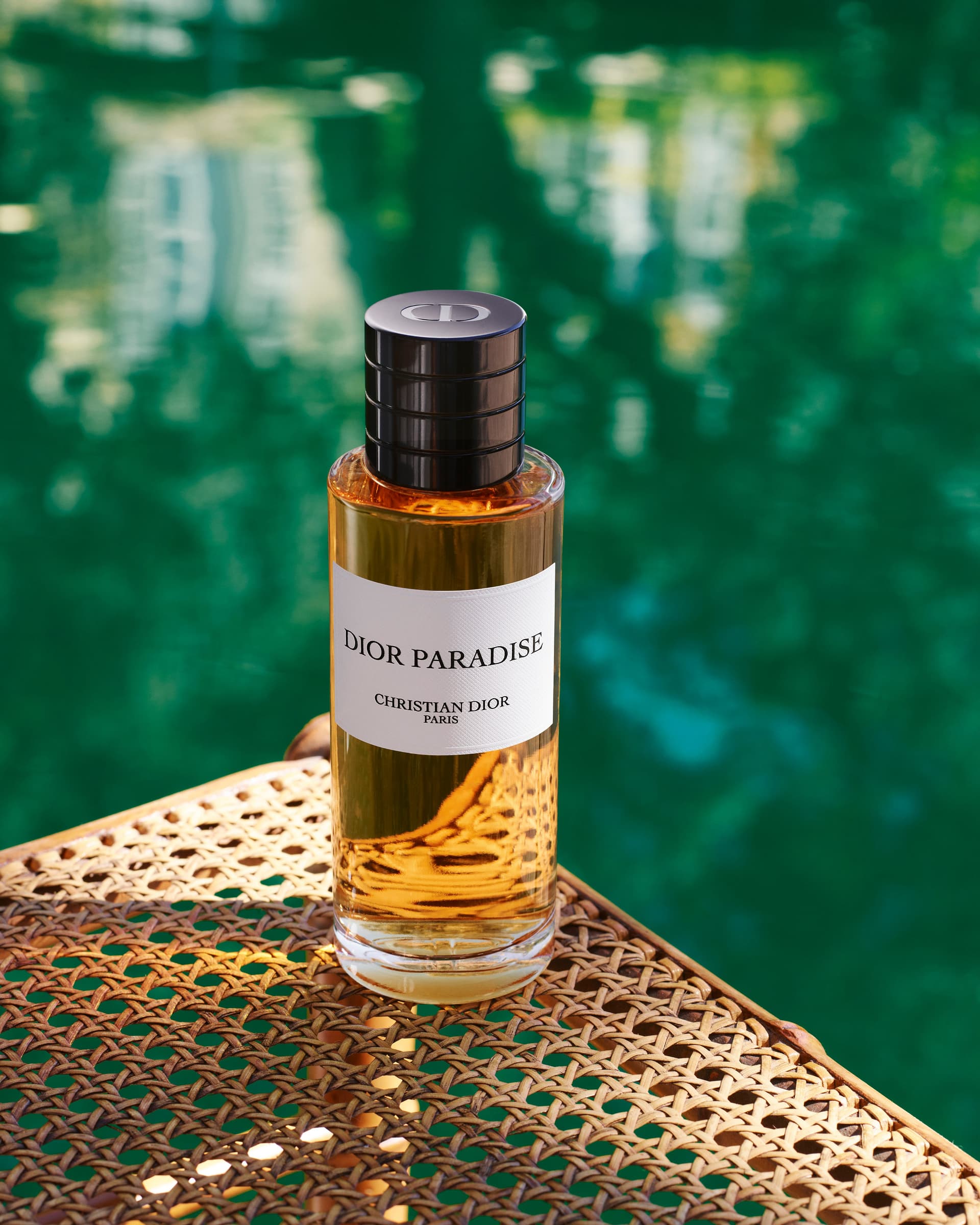
Dior Paradise is the kind of fragrance gift that feels considered before anyone even opens the box. It sits in La Collection Privée Christian Dior, starts at $231 in the U.S., and leans on almond, mandarin, tonka bean and warm wood to create a scent that is less about generic prettiness than about escape. That matters for gifting: it gives you something intimate and polished, with a story sturdy enough to feel personal, not merely expensive.
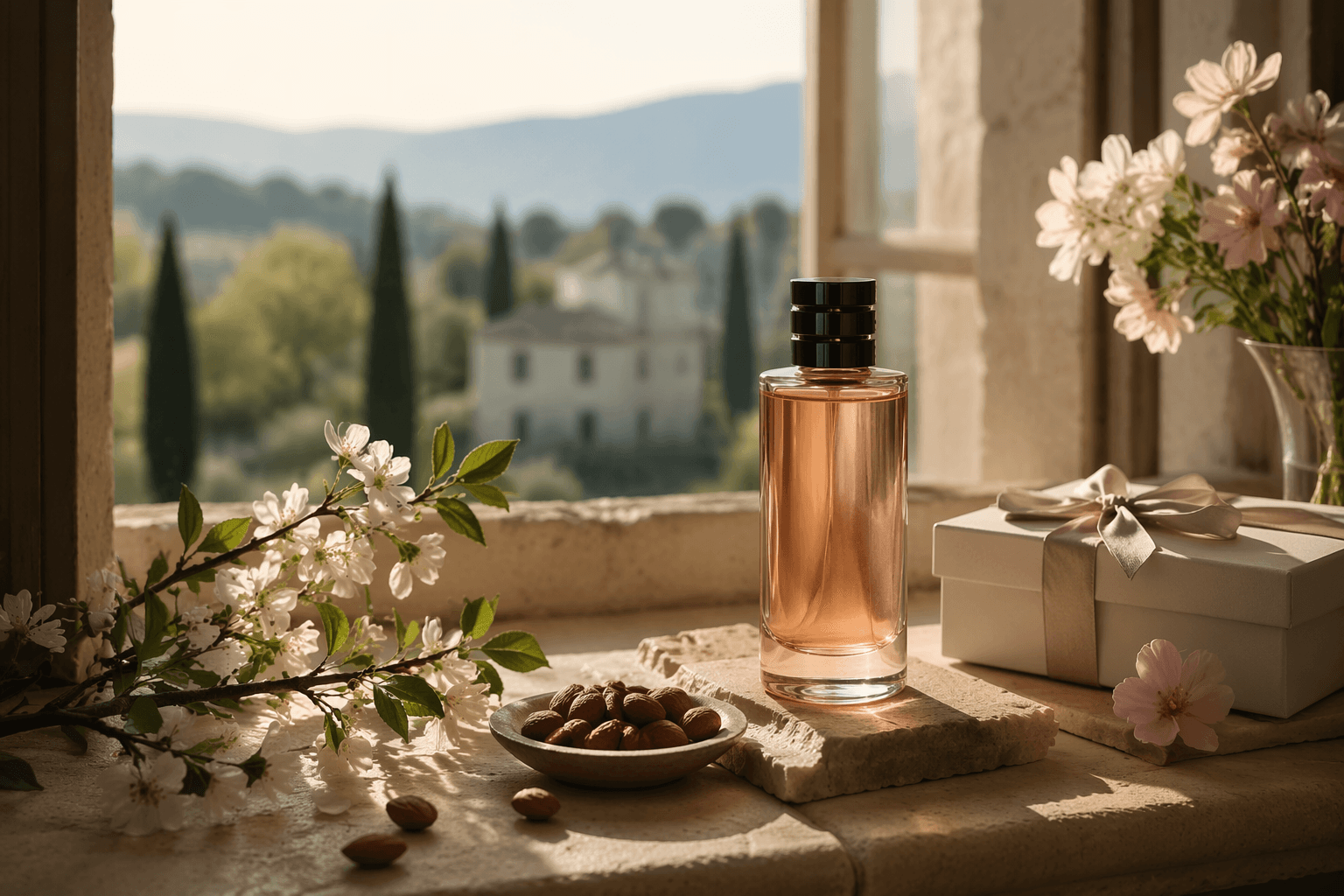
The appeal here is not only the juice, but the setting Dior has built around it. The house presents Dior Paradise as a celebration of Christian Dior’s beloved Provençal south of France, and that framing turns the fragrance into a miniature travel story. For a host gift, an anniversary present or a romantic gesture, it lands as an object with mood, memory and a sense of place.
Why the note structure feels more special than expected
Dior describes Dior Paradise as a fresh woody fragrance, and the combination of mandarin and almond gives it an immediate twist. Mandarin brings brightness and lift, while almond adds a soft, bittersweet roundness that keeps the scent from becoming merely citrusy or airy. Tonka bean and warm wood then deepen the composition, giving it a polished finish that feels elegant rather than sugary.
That unusual almond angle is what makes the fragrance so giftable. Dior’s own heritage material links Christian Dior to almond in orgeat syrup, which he reportedly enjoyed in cocktails he made himself, and Francis Kurkdjian said he wanted to evoke the enormous orchard Dior cultivated at Château de La Colle Noire, especially the hundreds of almond trees he wanted to grow there. That is the kind of detail that changes a bottle from a nice luxury purchase into a conversation piece.
La Colle Noire gives the scent its emotional center
The backstory behind Dior Paradise is rooted in Château de La Colle Noire, Christian Dior’s former home in Montauroux, in the Grasse and Provence area. Dior heritage material says he purchased the château in 1950, and the house describes it as his Provençal haven of peace and a refuge from Paris. That framing matters because it explains why the fragrance feels less like a trend-driven release and more like a personal chapter from the brand’s history.
Dior also says the château has been restored and is now used for select presentations. That detail adds another layer to the gift narrative: the scent is not only inspired by a place, it is tied to a real property that still lives inside the brand’s world. When you give it, you are not simply giving a perfume. You are giving the idea of a French country estate, filtered through Dior’s idea of beauty.
The packaging does a lot of the gift work
Luxury gifting depends on presentation as much as product, and Dior understands that well. La Collection Privée couture cases are adorned with the Dior cannage motif, reimagined by Jonathan Anderson in homage to Christian Bérard. That kind of design language gives the fragrance visual authority before the cap is even lifted.
The limited-edition Dior Paradise version pushes the gesture further. In the U.K., it is listed at £255 and comes in an exclusive couture box featuring a motif from Jonathan Anderson’s first capsule collection. That makes it especially appealing for a buyer who wants the present to feel collectible, not just consumable. The standard bottle already reads as refined, but the limited edition shifts the experience into keepsake territory.
What the price says about the gift
At $231 for the U.S. starting price, Dior Paradise sits squarely in prestige fragrance territory. It is not a casual buy, and that is part of the point. The price is high enough to register as a deliberate gesture, but still reasonable within the top tier of luxury scent, especially when you consider the couture line, the heritage narrative and the packaging design.
The limited-edition £255 version makes even more sense if you are buying for someone who values presentation as much as scent. Compared with a standard prestige perfume, it offers more theatricality, more visual impact and a clearer sense of occasion. In gifting terms, that extra investment buys specificity. It says you picked this one because of its story, not because it was simply the most expensive bottle on the shelf.
Who this is best for
Dior Paradise is strongest as a gift for someone who likes perfume with a point of view. It will suit a recipient who appreciates woods, almond and luminous citrus, especially if they prefer fragrance that feels sophisticated rather than loud. It also works beautifully for a partner, a close friend or a host who already notices packaging, house history and the difference between a beautiful object and a merely costly one.
It is particularly good for anyone drawn to the romance of Provence, to old-world gardens and to the idea of scent as memory. The almond note gives it warmth without heaviness, while the mandarin keeps it lively enough to wear in warm weather. If you want a fragrance that reads as intimate, refined and quietly transporting, this is the kind of gift that feels both personal and unmistakably Dior.
The bottom line
Dior Paradise succeeds because it sells more than perfume. It offers a polished, giftable version of Christian Dior’s Provence world, from the almond trees at La Colle Noire to the couture packaging shaped by Jonathan Anderson. That combination of unusual notes, heritage and presentation is exactly what turns a luxury fragrance into a memorable gift, and it is why this bottle feels less like a launch and more like a destination.
This article was produced by Prism’s automated news system from verified source data, official records, and press releases, then run through automated quality and moderation checks before publishing. The system is built and supervised by the people who set the standards it runs under. Read our full AI policy.
Did this article answer your question?