EEG study finds scent profiles measurably shift brand prestige and emotion
A neuroscientific study published in late February 2026 used EEG to show that scent-brand pairings can change perceived brand prestige and emotional reaction in real time.
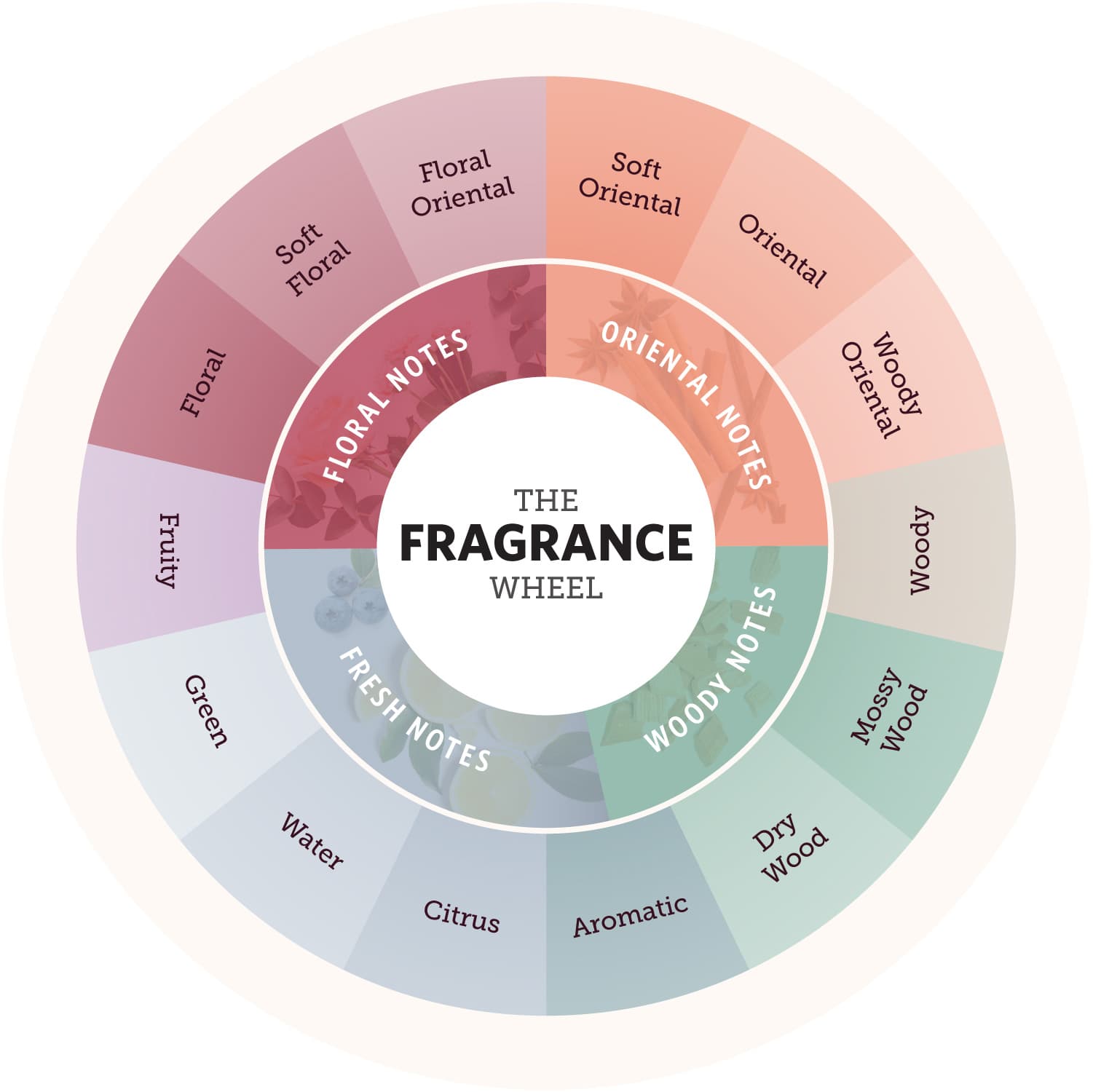
A neuroscientific study published in late February 2026 used EEG to measure real-time brain responses to different scent-brand pairings and concluded that "scent profiles can measurably shift perceived brand prestige and emotional response." The paper frames those findings as relevant to fragrance gifting and the product category, positioning scent as more than atmosphere - as a deliberate brand signal.
The study arrives alongside an existing literature that links scent to attention and memory. Research cited in earlier work notes that ambient scent "makes people stay longer in the environment and making them paying more attention to the brand stimuli," and that "the longer attention spans at stimulus viewing time the deeper memory traces and is easily retrieved." Maureen Morrin's 2003 finding is preserved in that literature: "This is regardless of whether the scent is present again during brand retrieval (Morrin, Maureen, 2003)." Retail research from Lena Goldkuhl and Maria Styv et al., 2007, is also cited for the claim that pleasant scent increases product evaluation time and the inclination to revisit a store.
Methodological tools recommended for this field are explicit. One source lists "the three key parameters: attention, emotional engagement, and memory retention." The same summary explains measurement approaches: "Besides eye tracking, EEG, which is a brain scan that enables researchers to monitor electrical impulses within the brain, could be used measure emotions towards the advertisings or odourants." The eye-tracking overlay technique is described verbatim: "Once data from eye tracking is gathered, the advertisings' can be overlaid with two sets of circles. One indicating where our eyes go, two, pupil dilation indicating the part of the ad volunteers' is thinking about."
Sensory congruence emerges as a practical strategy for luxury positioning. An academic review notes that congruent multisensory inputs create a "feel-good" effect linked to perceptual fluency and emotional pleasure, while incongruent cues can cause "cognitive dissonance which would result in discomfort as well as brand dislike." The review points to examples in airlines, hospitality, and retail, and names the "Singapore Girl" fragrance as a case study: "The 'Singapore Girl' fragrance a subtle mixture of Stephanotis and rose has been a signature of the brand and thus a comforting and familiar factor for the travelers." Lindstrom's work is also cited for the claim that when scent and sound are congruent, it can "double brand impact on consumer memory."

The report flags high-stakes implications beyond retail. Earlier commentary warns that scent in environments where consumers make major decisions - "taking a loan or buying insurance" - "could have a crucial influence on the consumers' intentions and behaviours and make them more willing to take a loan," and cautions that individual scent perception varies widely.
Key limitations are explicit in the material available. The late February 2026 study is presented without authors' names, institutional affiliations, sample size, the specific scent stimuli tested, journal name, EEG metrics, or statistical effect sizes. Those absences leave open essential questions about magnitude, reproducibility, and whether eye tracking was combined with EEG in the same experiment.
For gift buyers and brand strategists, the central takeaway is concrete: scent is not merely decorative. The late February 2026 EEG evidence, together with Morrin 2003 and retail studies, reframes fragrance as a tool that can alter attention, deepen memory traces, and, as the new paper states, measurably shift perceived brand prestige and emotional response.
This article was produced by Prism’s automated news system from verified source data, official records, and press releases, then run through automated quality and moderation checks before publishing. The system is built and supervised by the people who set the standards it runs under. Read our full AI policy.
Did this article answer your question?