How to Start Collecting Sports Cards in 2026 for Premium Gifts
Start a sports-card collection as a premium gift by focusing your intent, buying smart retail product starters like Topps Series 1, and learning from trusted beginner resources to avoid costly mistakes.
Collecting sports cards is one of those rare luxury gifts that blends memory, taste and investment potential, when you approach it with intention. Below is a practical, step-by-step guide that uses the latest beginner resources and product guidance so you can give a meaningful, premium card gift without overpaying for the theatrics.
1. Why 2026 is a timely moment to begin
“Published February 17, 2026, Athlon Sports’ beginner’s guide explains the practical steps to begin collecting sports cards in 2026, a timely read following high‑value sales in the trading‑card market. The guide covers basics buyers need to know if they plan to give cards as premium gifts.” That framing matters: recent headline sales have put cards in the luxury-gift conversation, and Athlon’s primer explicitly positions collectors, and gift givers, to act practically rather than speculatively.
2. Decide the intent: gift vs. investment, and pick a focus
Begin by deciding whether this is primarily a sentimental present or a speculative buy. Cardshellz’s mantra, “Start Small and Set Goals”, is exactly the right place to begin: choose a sport, player or a simple objective (for example, “I want to collect cards of my favorite team”) so your purchases read as curated, not random. Morrison Trading Post echoes the emotional side: “Remember that feeling of excitement as a kid, trading cards with your friends… The delight we experienced back then can still be just as exciting today.”
3. Start with the right entry-level products
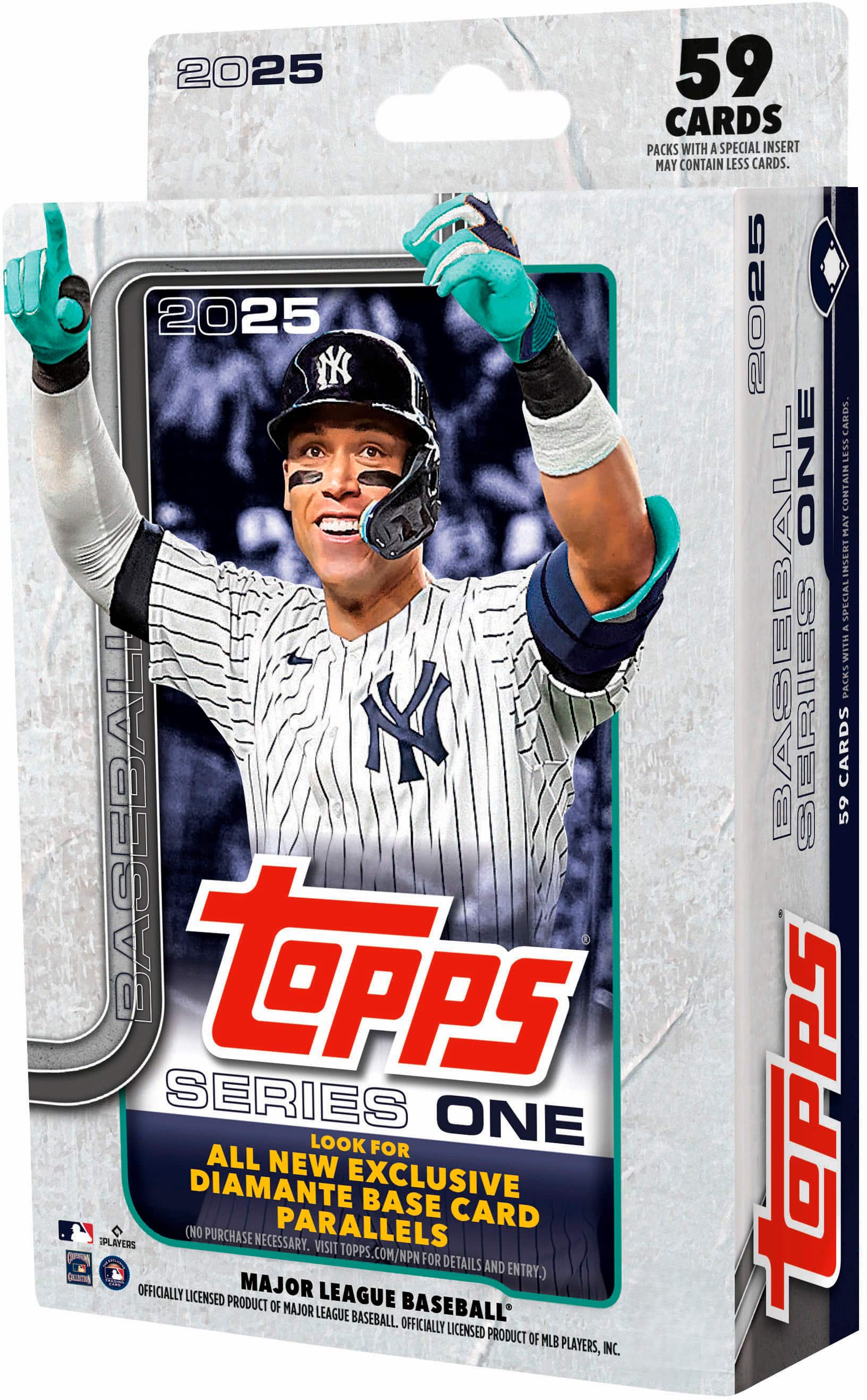
Practical product guidance is consistent across sources: “Look for entry-level retail packs or blaster boxes. For example, Topps Series 1 Baseball is a yearly set that is great for starting a baseball card collection (lots of cards, chance at some inserts, and not too expensive).” For basketball and football, Cardshellz recommends Donruss or Hoops (basketball) and Score or Donruss (football). These retail options generate volume and variety without the gamble of high-priced hobby boxes.
4. Avoid the expensive hobby-box trap early on
Cardshellz warns: “Avoid jumping straight into super expensive hobby boxes (some can cost $500+ per box) until you get a feel for things.” That’s critical advice for givers: a $500+ box can look flashy but often offers less predictable value for a novice. Stick to retail packs and blasters to learn player names, rookie markings and how inserts and parallels work before escalating spend.
5. Learn the product taxonomy, Topps, Chrome, Bowman
Baseball America’s primer is the best single-product taxonomy to memorize: “Topps Series 1 vs. Topps Series 2 vs. Topps Update” explains the seasonal roadmap, and “Series 1 is usually a 350-card base set released to the public in mid February.” For 2026 specifically, “The new 2026 Series 1 set is scheduled for a Feb. 11 release.” Also learn the material differences: “Just about every Topps brand that comes in a ‘paper’ base format also comes in a Chrome format in the same design. The only difference is the way the card is made,” and “Chrome cards will have a ‘Chrome’ logo on the front typically done in white lettering.” Those are the visual cues that separate accessible paper cards from often pricier Chrome variants.
6. Use trusted beginner media, but note details
The Sports Card Investor video titled “Sports Card Investing & Collecting for Beginners (2026) Everything You Need to Know!” (posted Feb. 10, 2026) is a compact beginner primer: the channel has 426,000 subscribers and the video recorded 15,205 views and 436 likes at the time captured. The presenter opens, “Ready to jump into the world of sports cards? In this video, Geoff Wilson breaks down everything beginners need to know to start collecting and investing with confidence.” The transcript also contains the candid collector-advice voice: “keep learning… You're going to make some mistakes along the way. So, be careful. Don't overextend yourself. Don't buy anything too big or right at first.” Note: the supplied materials show the presenter as “Geoff Wilson” in the header and “Jeff Wilson” in the spoken transcript, an inconsistency recorded in the sources.
7. Track prices and consider grading only when appropriate
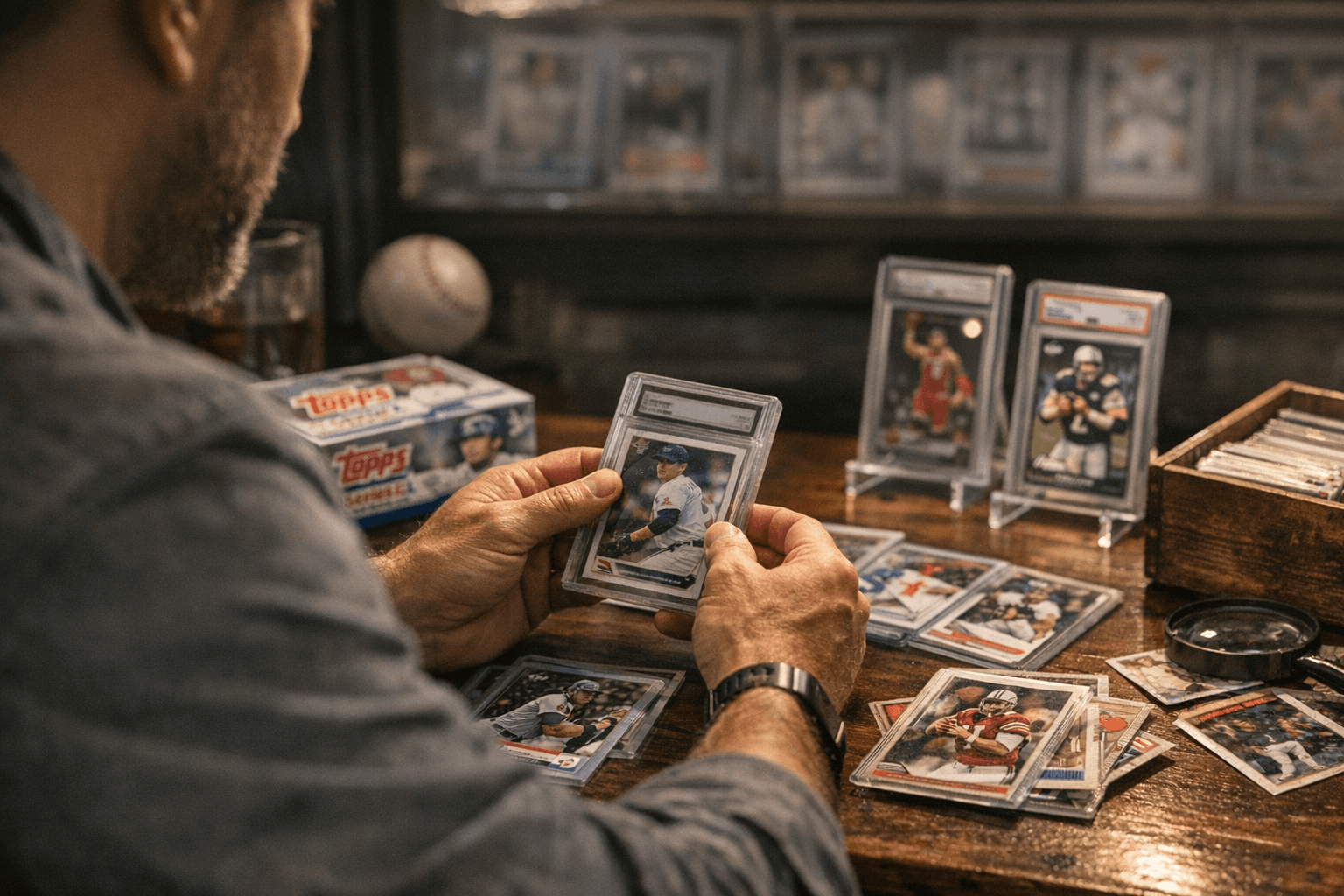
New collectors should know the tools the hobby uses: the video's description promotes tracking and grading services, “Sign Up for Market Movers ►:Track card prices & your collection with Market Movers ►:” and “Discounted PSA/SGC Card Grading ►:”. Use a price-tracking tool to learn market norms before paying for grading; Cardshellz’s “start small” approach pairs well with learning pricing patterns via a tracker so you can determine when a single-card gift merits professional grading.
8. Shop the right places and use community events
Morrison Trading Post’s welcoming resource reads like a local retail guide: “In navigating this fun and sometimes complex universe, be patient with yourself and remember that knowledge is your greatest tool. You don’t have to break the bank to get started.” The site lists a community moment, “NEXT TRADE NIGHT | January 29th, 2026”, as an example of the neighborhood events where you learn, trade and find curated single-card gifts. Morrison also reminds buyers that “you can then purchase packs or individual cards from hobby stores, online marketplaces, or from other collectors,” so mix in in-person discovery with online searches.
9. Build a premium-gift approach that’s simple and specific
Athlon asks buyers to treat cards as intentional presents: the beginner’s guide “covers basics buyers need to know if they plan to give cards as premium gifts.” For a thoughtful present, pick a single well-chosen card (a hometown hero, a notable rookie or a graded example) rather than a scattershot stack of packs; Morrison’s tone, “At Sports Card Universe, we're here to support you… Whether you're looking for a card from your hometown hero or an illustrious hall-of-famer, we’ve got you covered”, frames the retailer support available when you need help selecting. Presentation is the other half of premium: a single card with provenance, a short note about why you chose it, and confidence that you didn’t overspend will feel luxurious.
- Choose one sport or player to focus on.
- Buy retail packs or a blaster box first (Topps Series 1, Donruss, Hoops, Score).
- Track prices (Market Movers) and resist $500+ hobby boxes until confident.
- Use local events and shops for education and curated purchases.
- When gifting, select a single card with a short provenance note and present it as a considered keepsake.
10. Put it on the calendar and follow a simple checklist
Practical timing and sources matter: Sports Card Investor posted its beginner video on Feb. 10, 2026; Baseball America lists the 2026 Topps Series 1 release for Feb. 11; and Athlon’s guide landed Feb. 17, 2026. Use that rhythm when buying seasonal products (Series 1 is “usually a 350-card base set released to the public in mid February”) and attend local trade nights when they’re scheduled. Quick checklist:
A final note: start with curiosity and a clear goal. As the YouTube presenter said, “keep learning”, and as Cardshellz reminds you, “Your collecting journey is a marathon, not a sprint.” If you follow those simple constraints, focus, sensible retail buys, basic tracking and a single, well-chosen card for presentation, you can give a sports-card gift that reads like a true luxury: personal, intentional and unmistakably well considered.
This article was produced by Prism’s automated news system from verified source data, official records, and press releases, then run through automated quality and moderation checks before publishing. The system is built and supervised by the people who set the standards it runs under. Read our full AI policy.
Did this article answer your question?