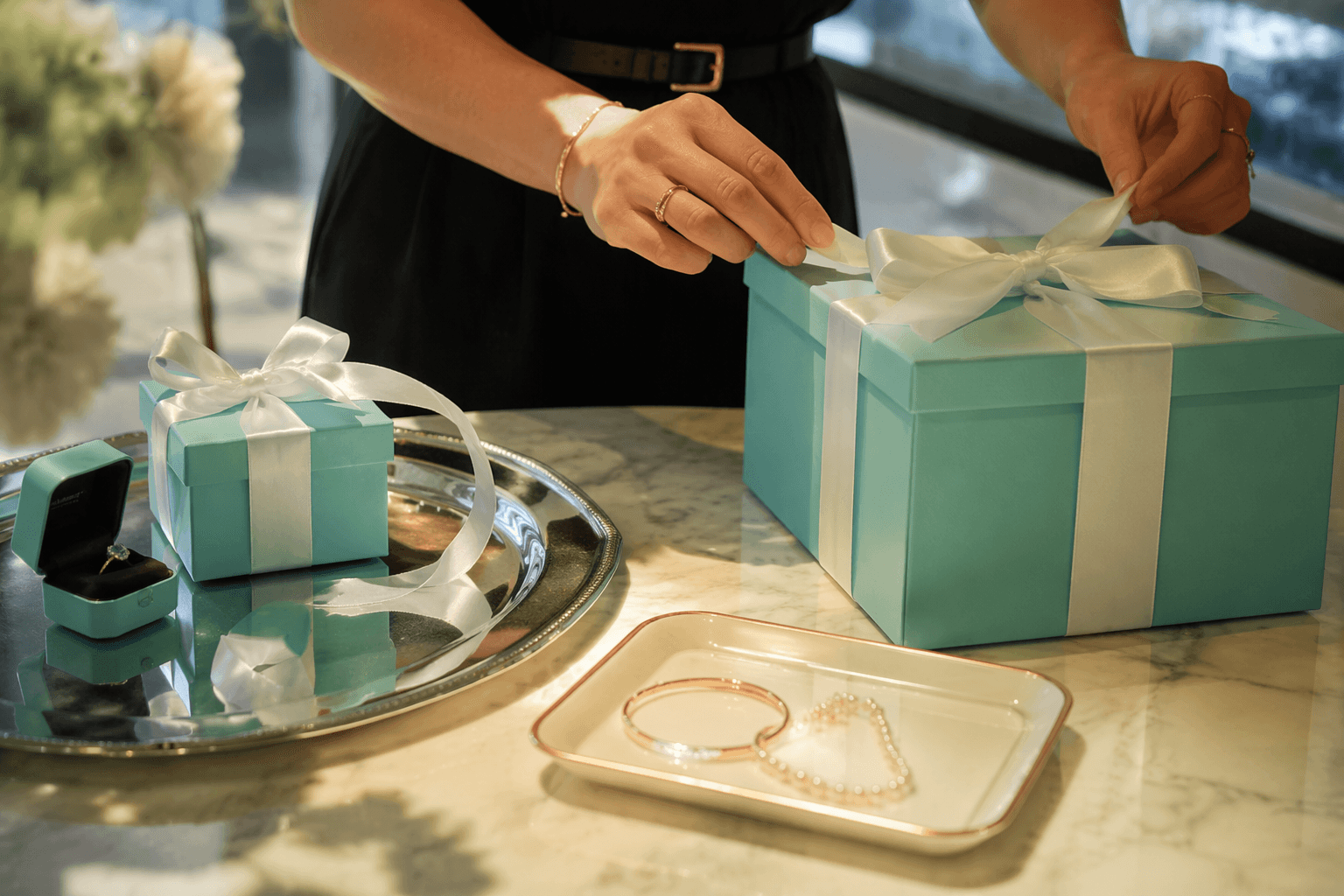
Independent jewelry labels gain ground as luxury market weakens
Independent labels are using art fairs, flagships and high-jewelry lines to court gift buyers as luxury weakens and jewelry still grows.

The weakest luxury market in 15 years has not dimmed jewelry’s appeal. Bain and Fondazione Altagamma said the personal luxury goods market fell 2% to €363 billion in 2024, yet jewelry held up as the most resilient core category, flat to up 2% at current exchange rates, to about €31 billion.
That resilience matters because jewelry is still one of the few luxury buys that feels both emotional and rational. For an anniversary, engagement or milestone birthday, a ring or necklace carries the kind of permanence that fashion categories cannot match, which is exactly why challenger labels are finding room to move.
The market structure helps them. Industry analysis puts roughly 80% of the global jewelry market in the hands of small independents or unbranded suppliers, leaving a huge opening for brands that can create trust fast. Bain said only about one-third of luxury brands were expected to post positive revenue growth in 2024, so labels that can look established without a century of heritage have a clear advantage.
Their tactics are becoming more sophisticated. Independent names are showing up at art fairs, opening flagships that feel more like galleries than boutiques, and pushing into high-jewelry with more ambitious stones, settings and presentation. Those moves are not just branding fluff; they are how a young label signals that it belongs in the same conversation as the houses people instinctively reach for when the purchase is meant to last.
The pressure is obvious at the top end too. Cartier and Van Cleef & Arpels still led jewelry growth among the biggest luxury names, showing that heritage continues to matter. But branded jewelry is gaining ground, and that leaves space for challengers to win buyers who want something rarer than a logo and more personal than a handbag, especially in the United States, where Bain said jewelry was especially strong.
Beauty, jewelry and eyewear were the only product categories showing growth in 2024, a sharp contrast with the broader luxury slowdown. In a softer market, the brands that can make a bracelet or pendant feel collectible, cultured and heirloom-worthy are the ones most likely to keep taking share.
This article was produced by Prism’s automated news system from verified source data, official records, and press releases, then run through automated quality and moderation checks before publishing. The system is built and supervised by the people who set the standards it runs under. Read our full AI policy.
Did this article answer your question?