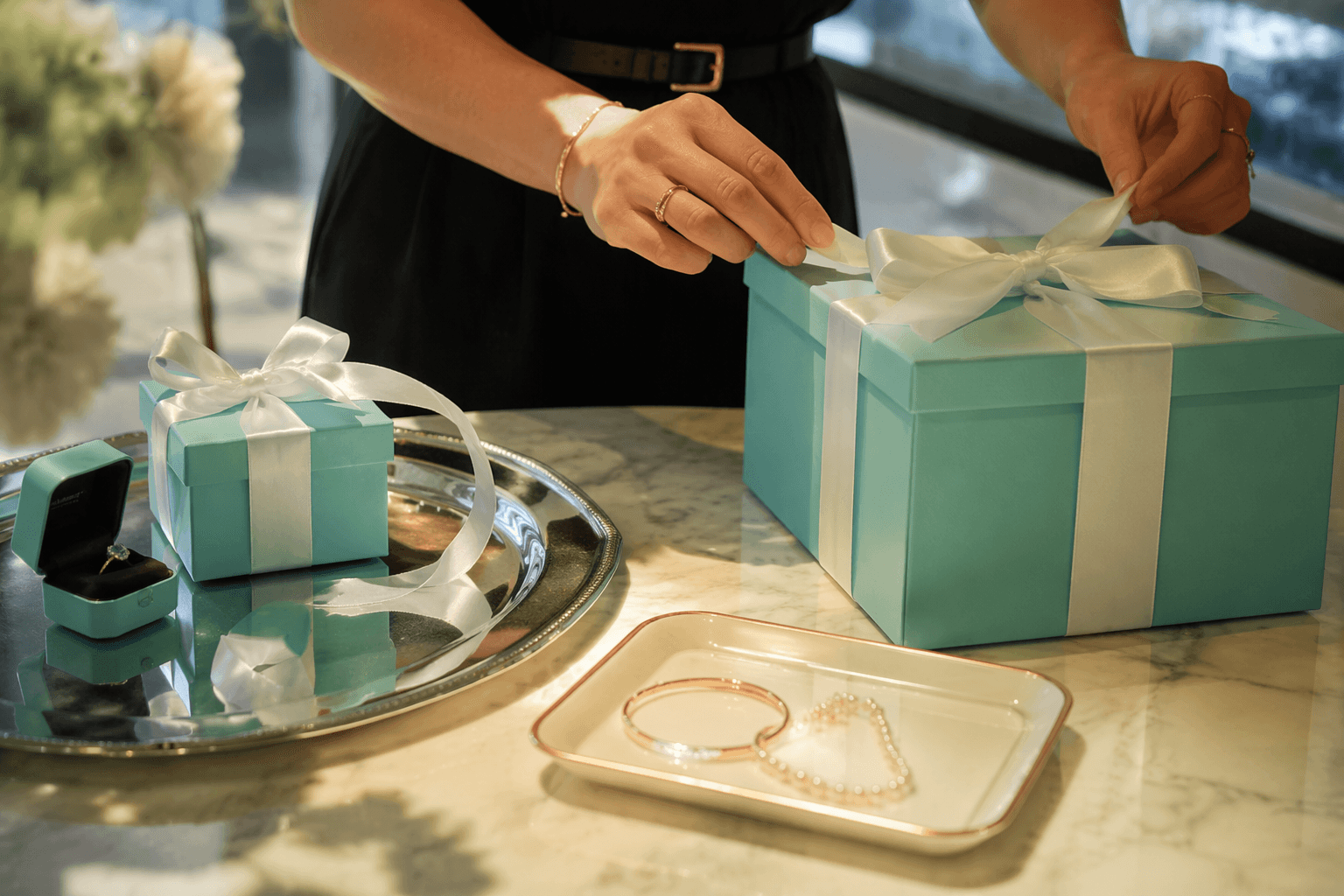
Jewellery in 2026 Becomes Investment, Identity Signal, and Self-Purchase Choice
Fine jewellery is no longer just a gift category — it's become a personal investment and identity statement that buyers are making for themselves.
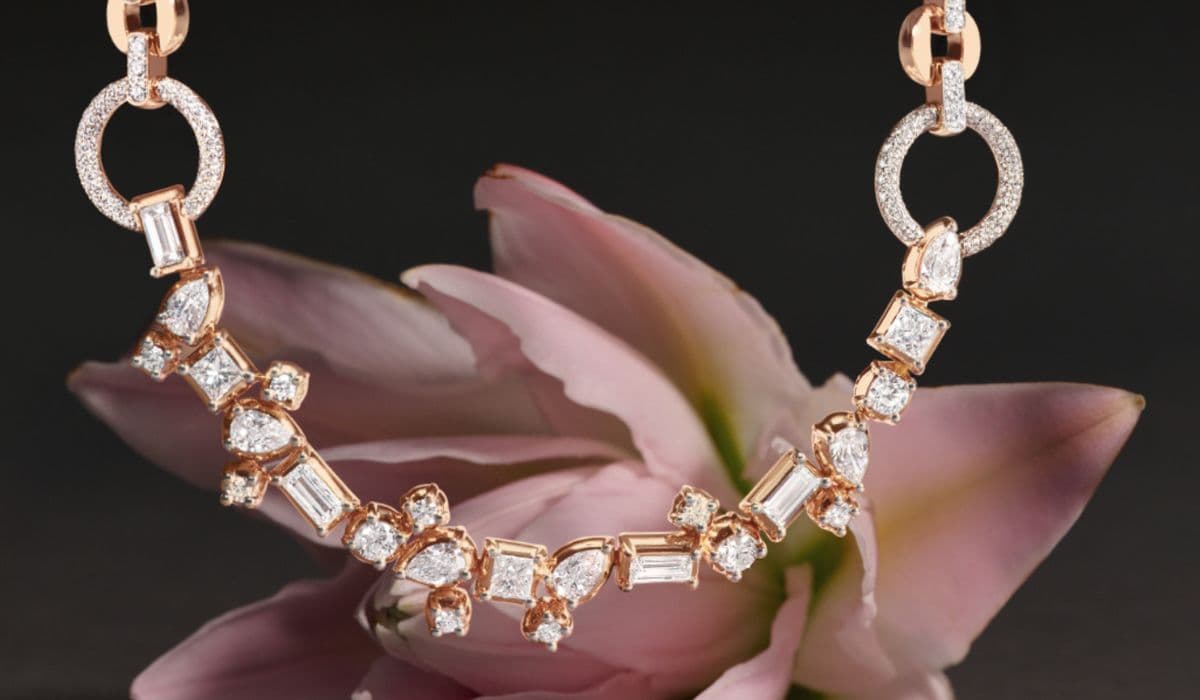
Something fundamental has shifted in how people relate to jewellery. It used to sit almost exclusively in the gift economy: a birthday bracelet, an anniversary necklace, a graduation ring chosen by someone else for someone else. That model still exists, but it no longer dominates. The more telling story of 2026 is the buyer who walks into a jeweller alone, with a clear sense of what they want, and walks out wearing it immediately.
The BoF-McKinsey State of Fashion 2026 report puts analytical weight behind what many in the industry have been observing anecdotally. Jewellery is being repositioned across three distinct frameworks simultaneously: as a self-purchase, as an identity signal, and as an investment object. Each of these represents a different kind of buyer motivation, and together they are redrawing the strategic priorities of the entire category.
The self-purchase shift changes everything about how jewellery is marketed
When jewellery was primarily a gift category, the marketing logic was straightforward: reach the person buying the gift, help them feel confident in their choice, and make the occasion the emotional hook. The self-purchaser operates completely differently. She, or increasingly he, is not shopping around an occasion. They are shopping around a desire, a mood, or a very specific aesthetic conviction. They know the difference between 14-karat and 18-karat gold. They have strong opinions about whether a stone should be set in a bezel or a prong. They are not looking for help choosing; they are looking for a brand that meets them where they already are.
This is a significant merchandising challenge for jewellers built around the gifting model. The self-purchaser is more likely to research online, to follow independent jewellers on social platforms, and to buy something that would not typically appear on a traditional gift guide. They are also more likely to buy multiple pieces at lower price points over a year than to wait for one significant gift-occasion purchase. The commercial implications are substantial: higher purchase frequency, lower average transaction value, and a brand relationship that is direct and personal rather than mediated through a gift-giver.
Identity signal: jewellery as a form of legible self-expression
The second shift is about what jewellery communicates. Across fashion broadly, the BoF-McKinsey data points to a consumer who is using clothing and accessories with increasing intentionality to signal values, affiliations, and sensibility. Jewellery is particularly well-suited to this because it is persistent. A piece worn every day becomes part of how someone is read by the world. The signet ring, the chunky chain, the single fine-gauge earring worn alone: each of these carries meaning that the wearer is actively curating.
This has created an interesting divergence in the market. At the luxury end, heritage houses are leaning into provenance and craft as identity signals: wearing a piece from a centuries-old atelier says something specific about taste and values. At the independent and mid-market end, buyers are choosing jewellers whose values align with their own, whether that means recycled metals, ethically sourced stones, or a design language that feels specific rather than mass-produced. Both are identity purchases; they just signal different identities.
The implication for the gift-giver is actually quite serious. Giving jewellery as a gift when the recipient uses it as an identity signal requires a level of knowledge about that person that most gift-givers simply do not have. A piece that does not fit someone's self-presentation, even if beautiful and expensive, will sit in a drawer. This is one reason the self-purchase trend has accelerated: people are increasingly the most qualified buyers of their own jewellery.
Investment logic: tangible assets in an uncertain economy
The third framework, investment, is perhaps the most significant strategic shift documented in the State of Fashion 2026 data. Fine jewellery, and particularly pieces set with high-quality diamonds, sapphires, or rubies, or made from substantial weights of gold, has always had an intrinsic value argument. What is new is how openly and deliberately buyers are foregrounding that logic.
In an economic environment shaped by inflation, currency volatility, and a broader questioning of where to hold wealth, physical assets have regained credibility. Gold prices have reflected this shift materially. And jewellery sits at an interesting intersection: unlike bullion, it has aesthetic and sentimental value in addition to material value. A well-chosen piece can be worn, loved, and still hold or appreciate in value over time. That dual utility is increasingly part of how buyers are rationalizing significant jewellery purchases to themselves.
For the luxury jewellery sector, this creates an opportunity to communicate in ways that would have felt clinical or unseemly in a different era. Conversations about stone quality, certification, resale platforms, and gold weight are no longer out of place in a jewellery boutique. Buyers want that information. The brands and retailers who provide it fluently, without undermining the emotional experience of the purchase, are the ones best positioned to capture this buyer.
What this means if you are buying jewellery as a gift right now
If you are shopping for someone who fits the self-purchaser profile — someone with a developed jewellery sensibility, strong aesthetic opinions, and pieces they already wear daily — your best move is usually not to guess. A jewellery experience, such as a session with an independent jeweller to design a custom piece, or a store credit at a small atelier the recipient already loves, respects their autonomy and still delivers something genuinely special.
For someone earlier in their jewellery journey, or for a gift that marks a significant milestone, the investment framing is actually your friend as a gift-giver. Choosing a piece with real material value, a solid gold chain at a specific weight, a ring set with a certified stone, means you are giving something that holds its worth. That shifts the purchase from sentiment-only to something the recipient might genuinely appreciate on multiple levels over time.
The identity signal dimension is the hardest to navigate as a gift-giver. The honest answer is that you either know this person's aesthetic with real precision, or you do not. If you do not, lean toward something simple, foundational, and high quality rather than something statement-making. A beautifully made plain gold band in the right karat will almost always land better than a bold piece you are not certain fits their self-image.
The broader arc here points toward a jewellery market that rewards specificity. The brands and retailers thriving in 2026 are those who understand that their customer may be buying for themselves, buying to signal something, or buying as a deliberate store of value, often all three at once. The gift category has not disappeared; it has simply become more complex, and more interesting, than it has ever been.
This article was produced by Prism’s automated news system from verified source data, official records, and press releases, then run through automated quality and moderation checks before publishing. The system is built and supervised by the people who set the standards it runs under. Read our full AI policy.
Did this article answer your question?