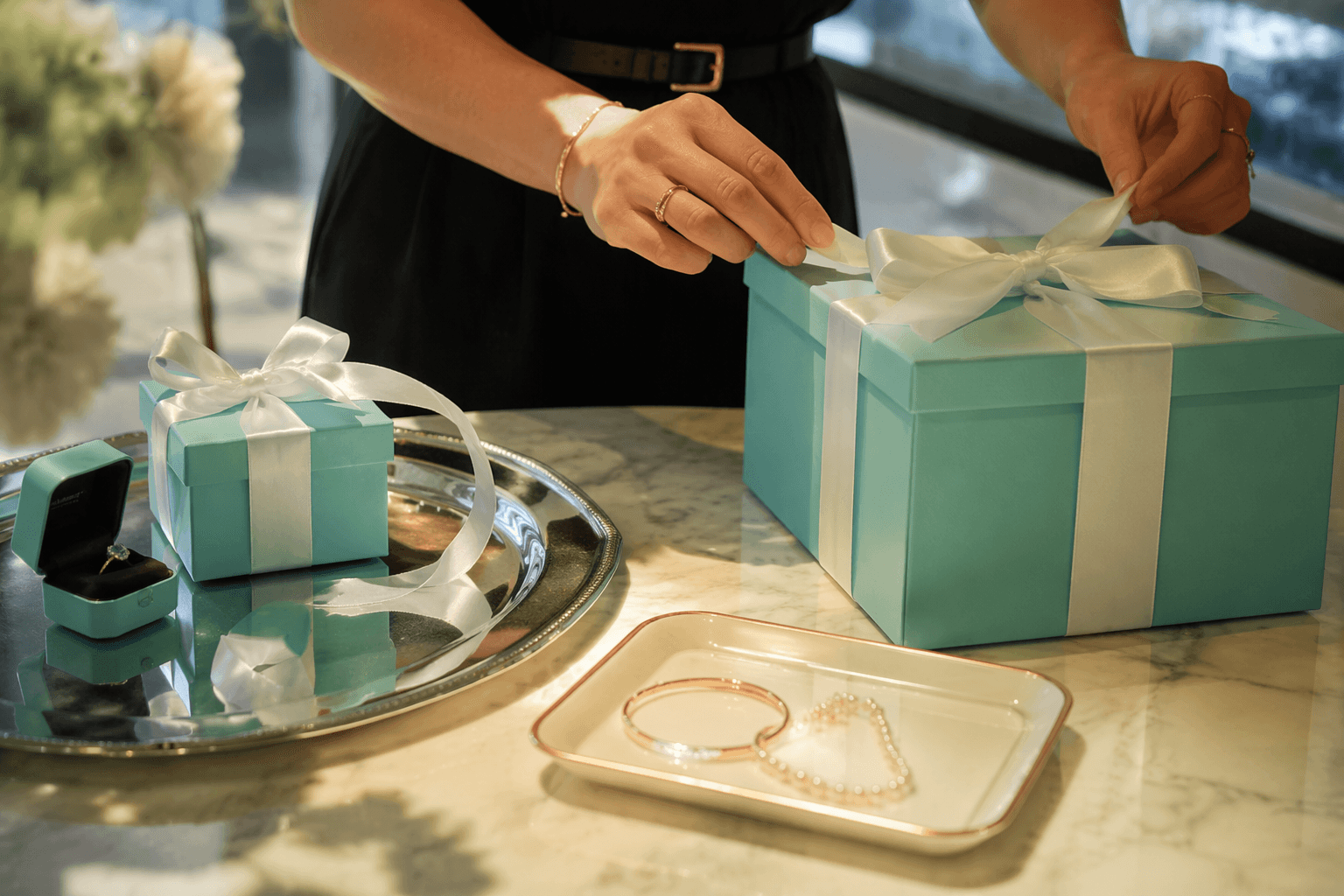
Luxury bridal gifts to know, from veils to heritage jewellery
Bridal gifting is moving beyond the aisle, with veils, jewellery and hats chosen for personal wear, heirloom value and the right kind of ceremony.
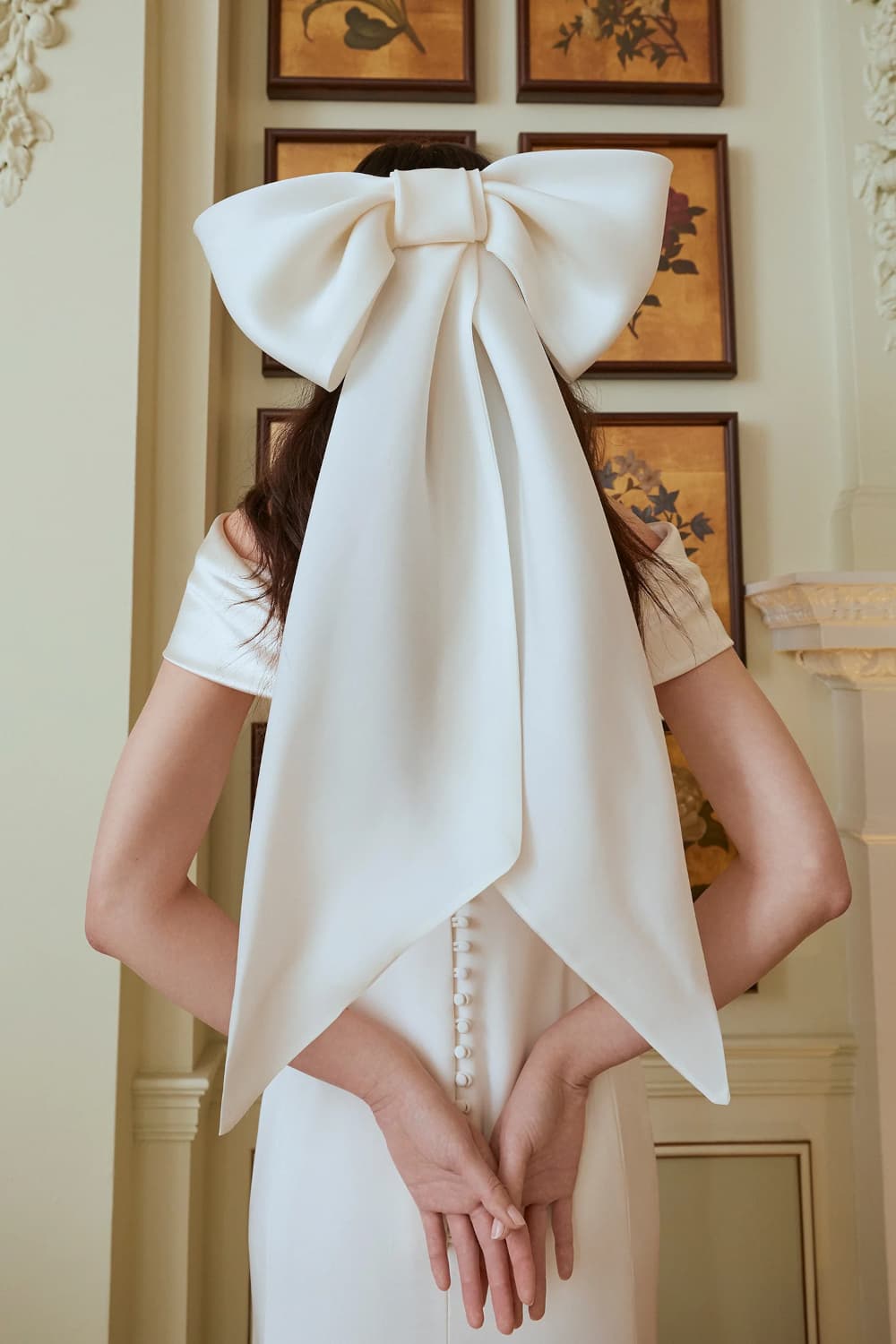
Bridal gifting is moving away from one-day flourishes and toward pieces with a second life. Country & Town House’s bridal guide points to veils, hair accessories, bridal bags, jewellery and hats as the new luxury gifts, while recent veil coverage treats the veil as a personal, customizable finishing touch rather than a fixed tradition. The smartest buys now answer three questions: can it be personalized, will it be worn again, and does it deserve a place in the family archive?
Veils and the accessories that outlive the ceremony
The veil is no longer just a nod to convention. In the current bridal mood, it is being treated as a highly personal finishing touch, which is why it has come back as a piece worth gifting rather than merely wearing once. That shift also makes room for labels like Liberty in Love, where the category stretches beyond veils into earrings, hair accessories, jewellery sets, cover-ups, bags and belts.
Liberty in Love was founded in 2010 by Siu and describes its offer as “attainable luxury”, a useful phrase because it captures the new brief so well. The brand says many of its pieces are handmade in the UK, which gives the gift more tactile value than a fast-fashion bridal add-on and makes it easier to justify for a bride who wants accessories she can repeat with eveningwear, not just store with the dress.
Hancocks London and the kind of jewellery that carries state-level provenance
Hancocks London brings a different kind of romance to bridal gifting. The house traces its roots to Charles Hancock in the 19th century, and Queen Victoria appointed the firm in 1856 to produce the Victoria Cross, a medal it still manufactures today. That detail alone places Hancocks in a category of its own: this is jewellery with institutional history, not just polished presentation.
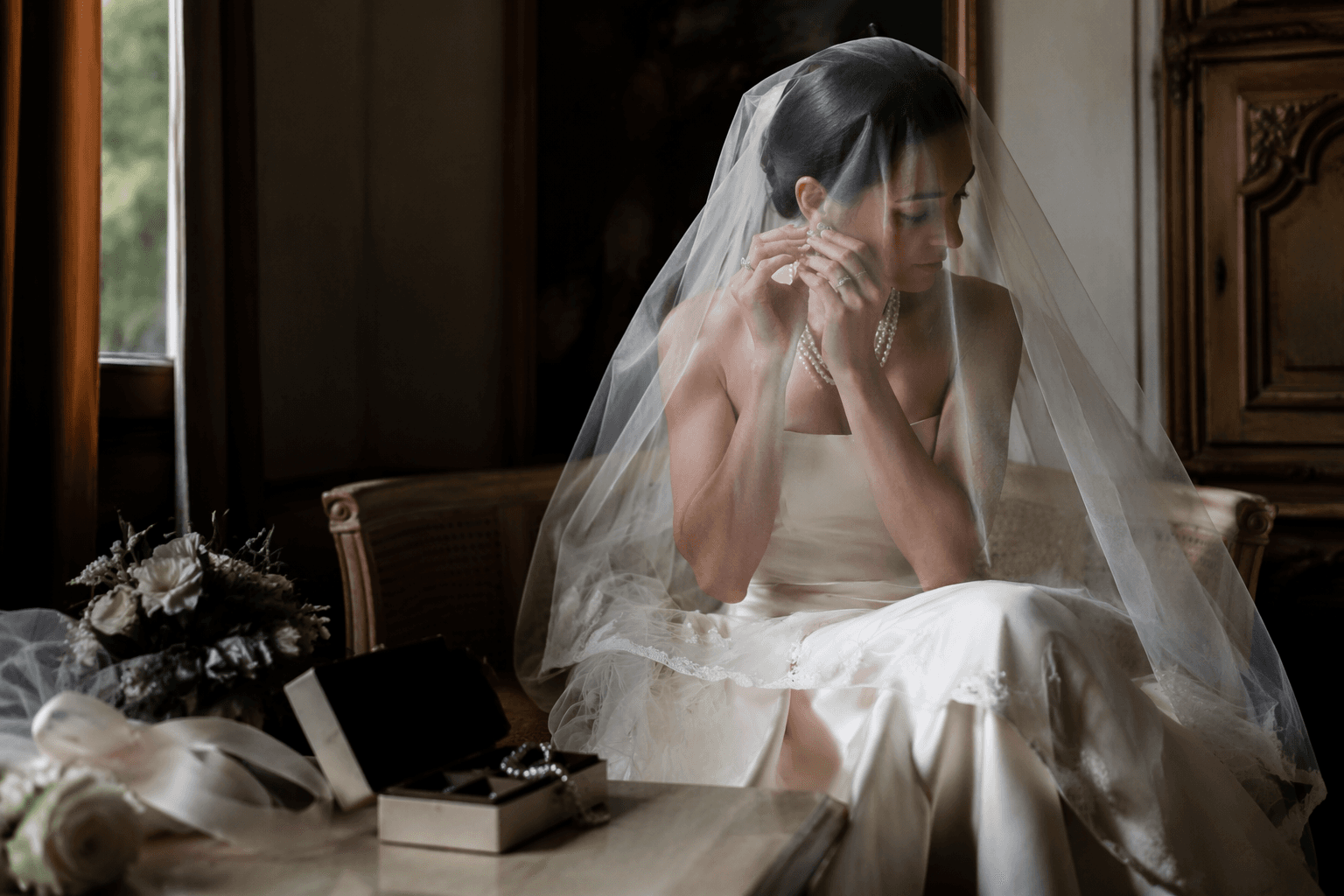
For gifting, that matters because heritage is part of the emotional return. A Hancocks piece suits the bride who wants a jewel that feels anchored to British craftsmanship and public history, the kind of object that can move from wedding day to anniversary and still feel fully relevant. In a market crowded with decorative sparkle, its appeal is permanence.
Pragnell and the value of a family line that keeps going
Pragnell makes its strongest case through continuity. The jeweller describes itself as a sixth-generation, family-run British house with more than 170 years of heritage, and its own timeline stretches the story back to the early 19th century. The modern company was founded in 1954 by George Pragnell, whose career began at Queen Mary’s private jeweller, Biggs of Maidenhead.
That lineage gives Pragnell a rare dual identity: old enough to feel heirloom-ready, but structured like a living family business rather than a museum piece. It is the label to know when the gift needs to feel serious without feeling stuffy, especially for a bride who wants a piece she can wear after the wedding and eventually hand on. The keepsake value is built into the brand’s own family story.
Robinson Pelham for pieces that move easily from ceremony to dinner
Robinson Pelham takes a more contemporary route to longevity. The brand says it was born from a desire to create beautiful, timeless pieces, and it now brings more than 25 years of experience in bespoke and ready-to-wear jewellery. That combination makes it especially useful for bridal gifting, where the right balance is often personal without being precious.
Its strength is flexibility. Bespoke work gives you the emotional charge of something made for one person, while ready-to-wear keeps the process accessible enough for a gift that needs to arrive on time and still feel considered. For a bride who wants jewellery she can wear with the dress, then later with tailoring, Robinson Pelham lands in the middle ground that high-end gifting often needs most.
Lock & Co. and the final flourish of millinery
Lock & Co. is the clearest heritage signal in the group. Established in 1676 and based at No. 6 St James’s Street since 1765, the house calls itself the world’s oldest hat shop. Its early patron list reads like a miniature chapter of British history: Lord Grenville was among its customers in 1781, and Admiral Lord Nelson visited in 1800 to order a bicorne hat.
That sort of pedigree gives bridal millinery a different tone from the rest of the accessory field. A Lock & Co. hat is not the obvious first gift, which is exactly why it can feel so sharp for the right recipient, particularly for a bride planning a civil ceremony, a formal daytime celebration or a wardrobe built around strong silhouettes. If veils are now being treated as deeply personal, hats offer the same sense of expression with even more character, and Lock & Co. gives that idea real historical weight.
This article was produced by Prism’s automated news system from verified source data, official records, and press releases, then run through automated quality and moderation checks before publishing. The system is built and supervised by the people who set the standards it runs under. Read our full AI policy.
Did this article answer your question?