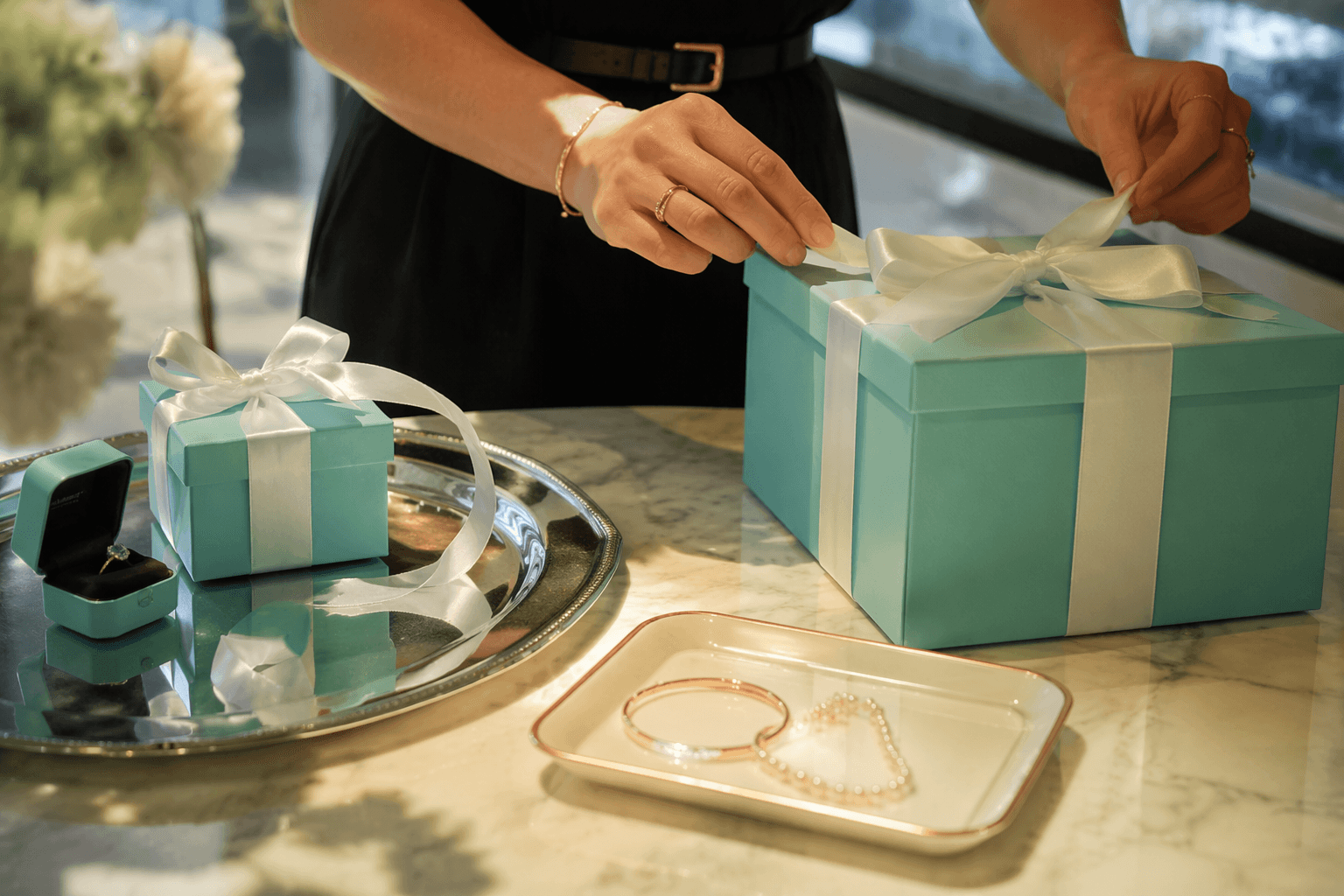
Luxury Corporate Gifts in 2026 Embrace Personalization, Sustainability, and Experiences
Corporate gifting has shed its seasonal-freebie reputation: the 2026 playbook runs on personalization, sustainability, and experiences that recipients actually remember.
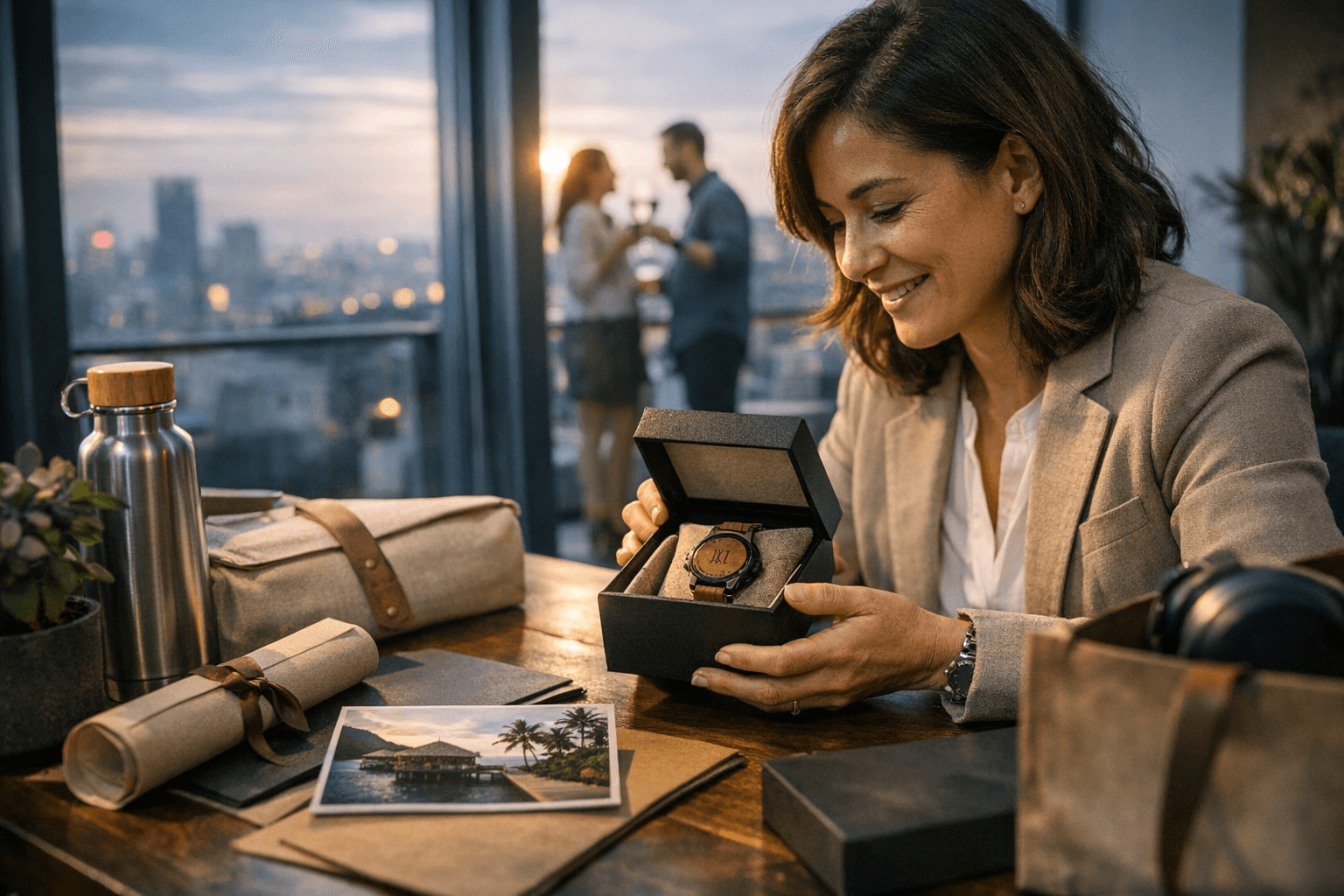
Corporate gifting has quietly completed a category-level reinvention. The logo-embossed pen set and the branded tote bag are relics of a model that treated recipients as marketing targets rather than people worth knowing. What's replaced them is something more considered: "personalized, sustainable, and experience-led gifts that serve engagement and retention goals," as People Development Magazine framed the shift in March 2026. The change isn't cosmetic. It reflects a fundamental rethinking of what a gift is supposed to accomplish inside a business relationship.
"Corporate gifting is no longer a seasonal formality or a marketing afterthought," as Leathertalks put it in its 2026 luxury gifting report. "As businesses evolve, gifting has emerged as a strategic tool for relationship-building, brand positioning, and long-term value creation." That framing matters because it changes the budget conversation. When gifting is positioned as a retention and relationship lever rather than a marketing line item, the calculus shifts toward quality, meaning, and measurable impact.
The Three Shifts Redefining the Category
The evolution happening across corporate gifting programs in 2026 comes down to three structural changes, each building on the last.
The first is a move from decorative items to premium, useful products. Gifts that sit on a shelf gathering dust no longer serve a brand. Objects that integrate into someone's daily routine, from quality leather goods to premium wellness products, generate consistent brand recall precisely because they're used rather than stored.
The second shift is from generic surprises to personalized "one-to-one" strategies. This is where the category has accelerated most sharply. Rather than ordering 500 identical items and attaching a company card, forward-thinking programs are now matching gifts to individuals, taking into account role, preferences, cultural context, and relationship stage. People Development Magazine noted that AI is being applied to drive use-cases in this space, pointing to the growing role of technology in making personalization scalable across large employee and client bases.
The third shift moves procurement itself: from traditional shopping to sophisticated digital platforms that deliver luxury with convenience. The logistics of sourcing, curating, and delivering premium gifts across geographies has historically been a barrier. Digital platforms designed specifically for luxury corporate gifting are removing that friction, making it possible to deliver a thoughtfully curated, beautifully packaged experience to a recipient anywhere without the operational overhead that once required a dedicated team.
Hyper-Personalization as a Business Strategy
Of the four major trends mapped in Leathertalks' Corporate Gifting Trends Overview, Hyper-Personalisation carries the most strategic weight, linked directly to "strong emotional connection and engagement" as its primary business benefit. This isn't personalization in the surface sense of adding someone's initials to a product. It's the deeper work of understanding what a recipient values, when they're receiving the gift in their professional journey, and what the gift is meant to communicate about the relationship.
"Once limited to festivals like Diwali or New Year, corporate gifting has transformed into a year-round engagement strategy, used thoughtfully across the employee lifecycle, client relationships, and leadership milestones." That calendar expansion is significant. A gift given at onboarding, at a work anniversary, or at the close of a major deal carries a different emotional charge than one sent because the fiscal calendar demanded it. Year-round gifting programs create multiple touchpoints that reinforce a company's investment in the people it works with.
Sustainability as the New Luxury Standard
Sustainability is no longer a niche differentiator in corporate gifting. It's become the baseline expectation of what luxury means in 2026. The Leathertalks report is direct about this: "sustainability defines modern luxury" in today's gifting economy. For recipients who have grown skeptical of brands making environmental claims without substance, a gift's material origin, production ethics, and packaging waste all signal whether a company's values are genuine or performative.
People Development Magazine independently listed "sustainable" as a core pillar of the 2026 gifting shift, which means this isn't a regional preference or a niche concern. It's a category-wide expectation. Companies building gifting programs that can't speak to sustainability at the product and packaging level are already behind.
Experience-Led Gifting and the Phygital Frontier
Experience-based gifting, the kind that creates emotional recall rather than a transactional exchange, has moved from a premium add-on to a central strategy. The Leathertalks report identifies "Experience & Story-Driven Gifting" as one of its four primary trend categories, linked to "lasting brand impact and differentiation" as its business output. That differentiation matters in a market where product-only gifts have become commoditized.
The most interesting development within this trend is the rise of "phygital" gifts: physical items paired with digital experiences. A curated physical object arrives with access to something experiential, whether a masterclass, a virtual tasting, a personalized digital content library, or an exclusive event. The physical gift anchors the relationship; the digital experience extends it. Together, they create a gifting moment that unfolds over time rather than ending when the box is opened.
Packaging as the First Impression
One detail that often gets cut from gifting budgets is packaging, and the 2026 data suggests that's a mistake. "In 2026, packaging is no longer just a wrapper. Clean, minimal, and sophisticated design communicates trust, professionalism, and brand maturity at first glance."
The design philosophy at work here is deliberate restraint. Loud logos, heavy branding, and overwrought presentation have given way to packaging that tells a brand story through craft and restraint rather than volume. "Packaging designed to tell a brand story before the gift is even opened" means the first physical contact a recipient has with the gift, before they see what's inside, is already communicating something about how the sending company thinks and operates.
Market Spotlight: India and the UAE Standard
The most significant emerging market story in 2026 corporate gifting is India. "India is entering a gifting-heavy economy, where personalised experiences matter more than products, storytelling replaces loud logos, and sustainability defines modern luxury." What was once a market defined by festival-season gifting concentrated around Diwali is becoming a year-round, relationship-driven practice modeled on global luxury standards.
The benchmark being applied is notably specific: "India's corporate culture is embracing luxury gifting standards similar to markets like the UAE, where premium corporate gifts are essential business tools." The UAE comparison is instructive. In that market, luxury corporate gifting is already embedded in business culture as a function of relationship maintenance and professional respect, not a discretionary expense. India's trajectory suggests it is moving in the same direction, driven by economic growth, a maturing corporate sector, and a generation of business leaders who understand that how you give says as much as what you give.
The Business Case, Mapped
For procurement leaders and HR teams still making the internal argument for elevated gifting programs, the trend-to-benefit mapping is clear:
- Everyday Luxury produces consistent brand recall and daily relevance
- Hyper-Personalisation drives strong emotional connection and engagement
- Premium Minimalism delivers higher perceived value and professionalism
- Experience and Story-Driven Gifting creates lasting brand impact and differentiation
"Companies are moving from seasonal, generic gifts to strategic, year-round luxury gifting programs that prioritize quality, personalization, and meaningful relationship-building." The businesses that internalize this shift earliest will hold an advantage that compounds: stronger retention numbers, deeper client relationships, and a brand reputation built through the quality of what they give, not just what they sell.
This article was produced by Prism’s automated news system from verified source data, official records, and press releases, then run through automated quality and moderation checks before publishing. The system is built and supervised by the people who set the standards it runs under. Read our full AI policy.
Did this article answer your question?