Monogrammed luxury gifts turn beautiful objects into personal heirlooms
A good monogram does more than personalize. On the right leather, travel, or home piece, it turns luxury into something that feels owned, kept, and eventually passed on.
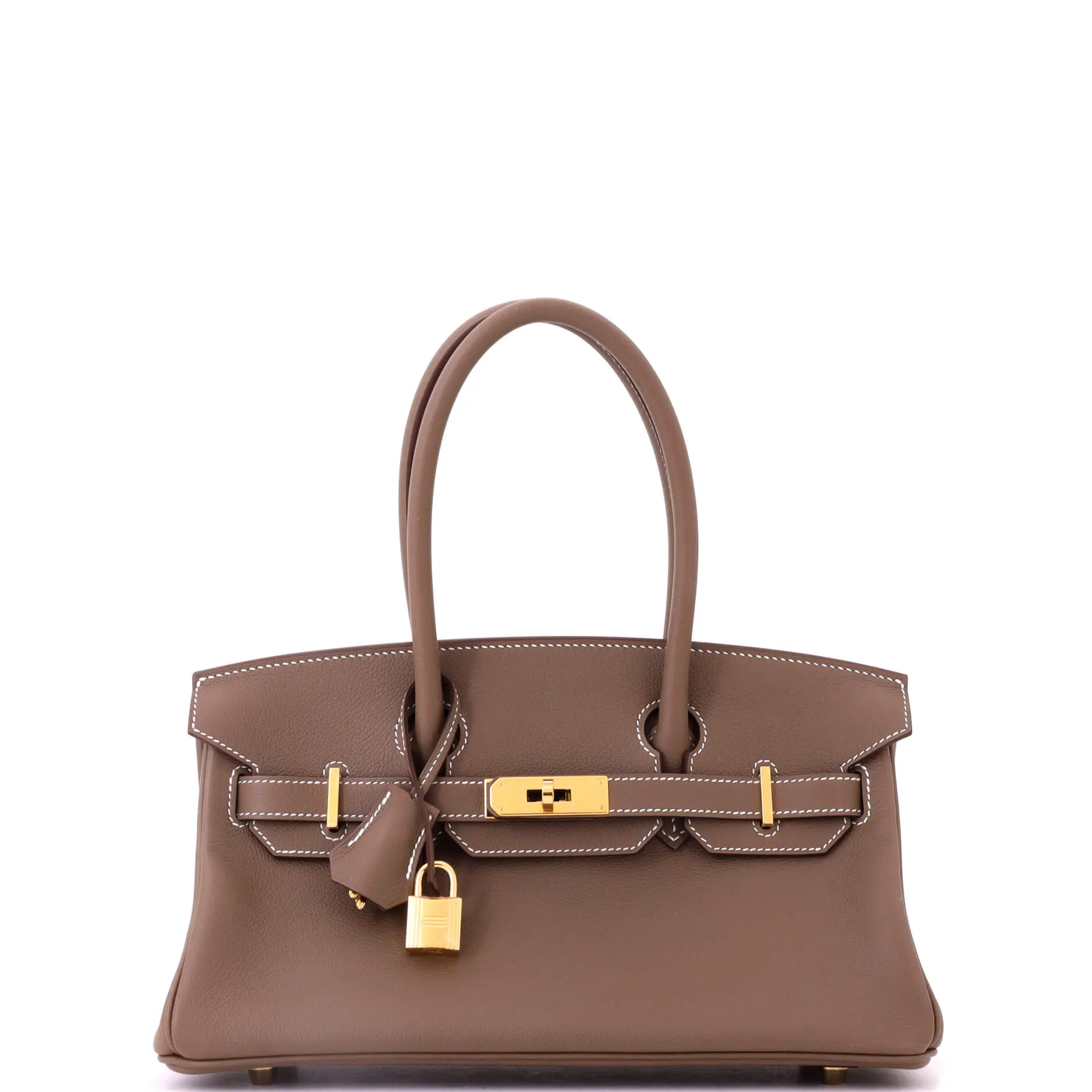
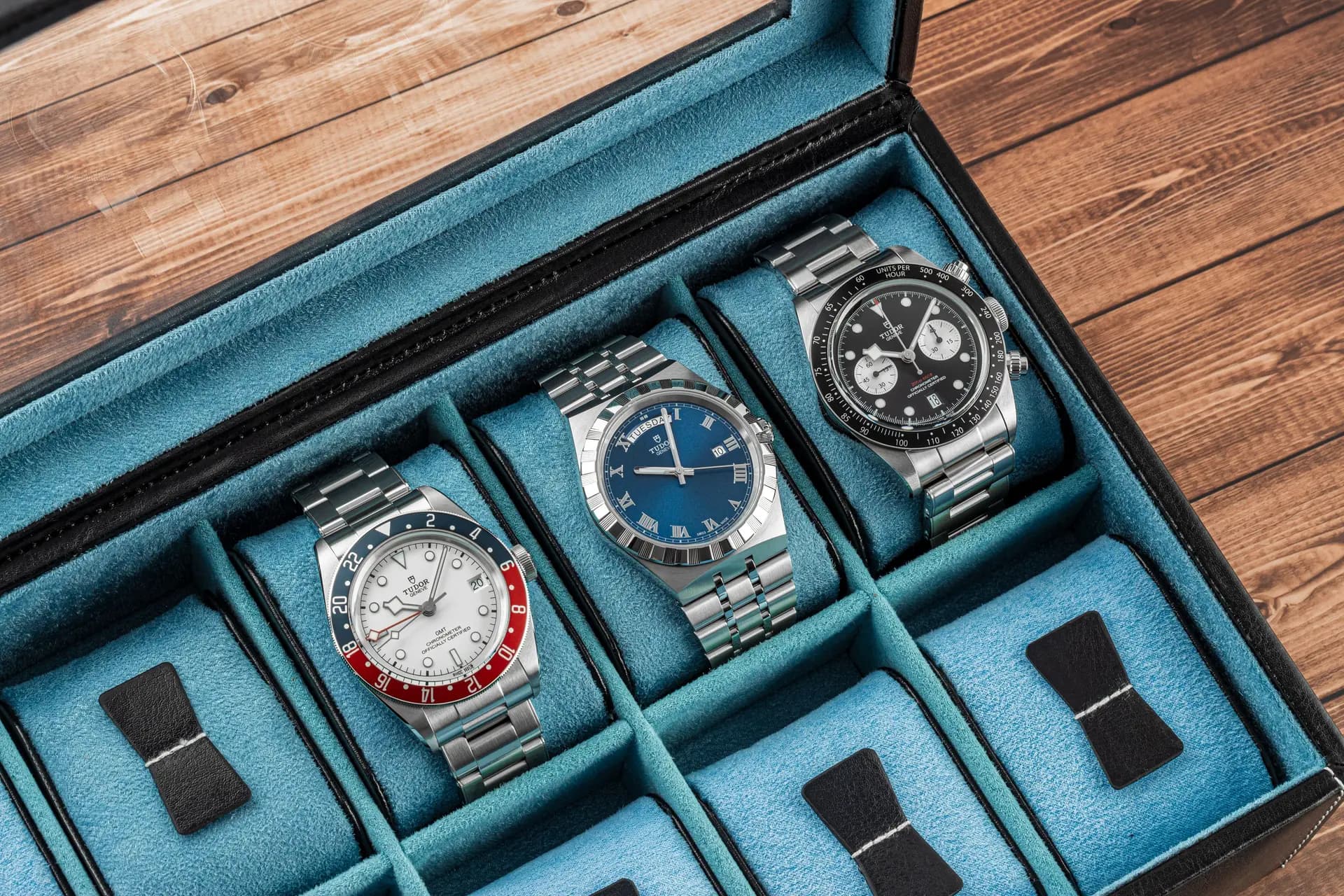
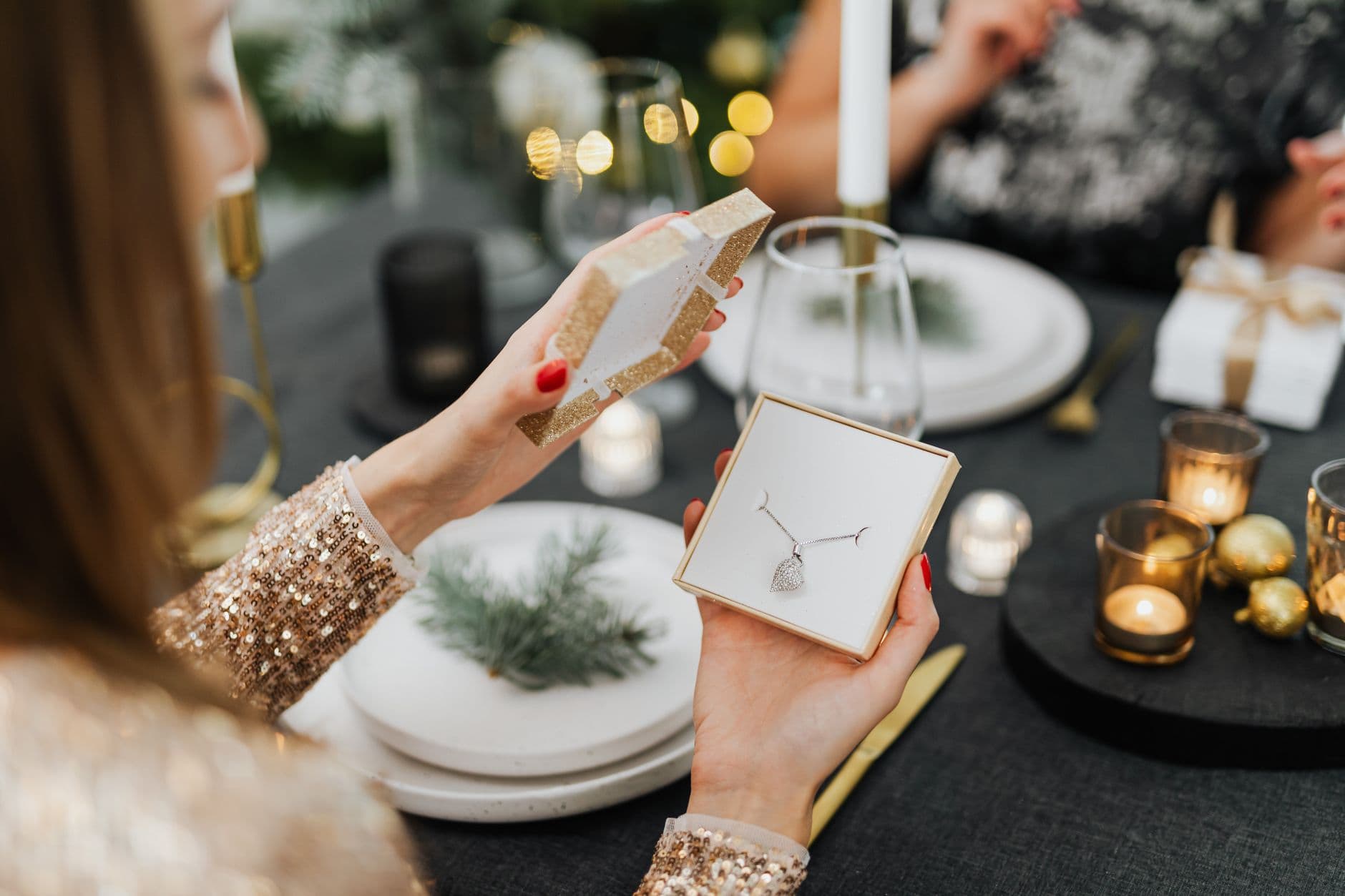
The smartest monogrammed gift does not shout for attention. It gives a beautiful object a sense of ownership that feels intimate without looking sentimental, whether that object is a Valextra leather piece, a Louis Vuitton trunk, or a silk robe. In luxury gifting, that matters because initials can do what price alone cannot: make the gift feel authored for one person, not merely purchased for anyone.
Why monograms still feel expensive
Monogramming works best when it looks like part of the object’s design language, not a decorative afterthought. Valextra’s #NoLogoMyLogo project in Milan made that idea literal by inviting clients into the brand’s design studio to create one-of-a-kind monograms from their initials. The gesture reframed the logo as something giver and recipient co-create, which is why it feels more intimate than a standard branded stamp.
That intimacy is also what gives a monogram its heirloom quality. A well-made object with the right initials tends to be kept longer, repaired more willingly, and passed down more easily than an anonymous accessory. The personalization is small, but the emotional signal is large: this was made to belong to someone specific, and that specificity is what keeps a gift from feeling disposable.
The pieces that wear initials best
The strongest monogrammed gifts are the ones that will be handled often and kept for years. Leather goods, travel accessories, silk scarves, jewelry cases, luggage tags, cosmetic pouches, robes, trays, and stationery all give initials a practical job to do. They are not just spaces for decoration; they are daily-use objects where a discreet mark can feel like provenance.
A few categories make especially good sense:
- Leather goods, such as card cases, passport holders, wallets, and small pouches, because initials sit naturally on a structured surface.
- Travel pieces, including luggage tags and hard-sided luggage, where the mark helps identify the item and reinforces a sense of ritual around packing.
- Soft goods, like silk scarves and robes, where tone-on-tone embroidery can feel more refined than contrast lettering.
- Home pieces, such as trays and stationery, which turn monogramming into part of a routine rather than a display.
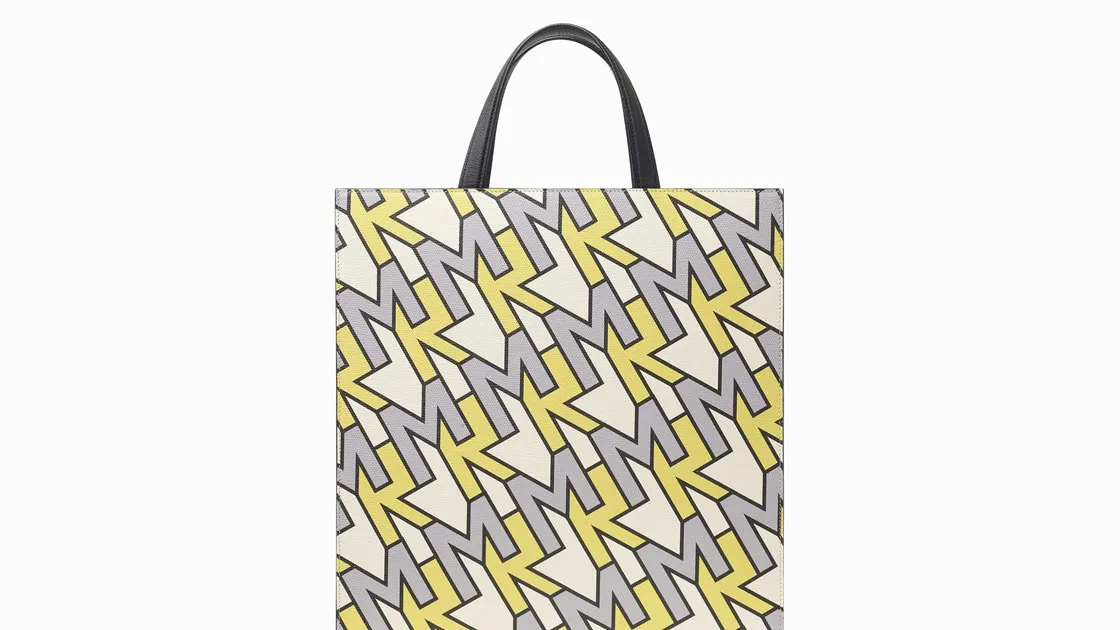
The Louis Vuitton example remains the clearest proof of how powerful this can be. The house introduced its Monogram canvas in 1896, and its heritage materials say the pattern is ideal for rigid luggage but unsuitable for flexible pieces. That detail matters for gifting because it shows where a monogram supports the shape of an object and where it starts to fight it.
Where a monogram adds value, and where it can get in the way
A monogram elevates a gift when it respects the object’s proportions and the recipient’s taste. On rigid luggage, a luggage tag, or a structured leather case, initials read as part of the architecture. On a soft, fluid piece, oversized lettering can interrupt the line of the design and make the object feel more branded than personal.
Louis Vuitton’s own monogram tells that story from the beginning. Georges Vuitton introduced the print in 1896 to honor his father and combat counterfeiting, which means the motif was never only ornamental. It was a mark of origin and authenticity, and that historical double duty is why the LV Monogram still reads as one of fashion’s most recognizable symbols.
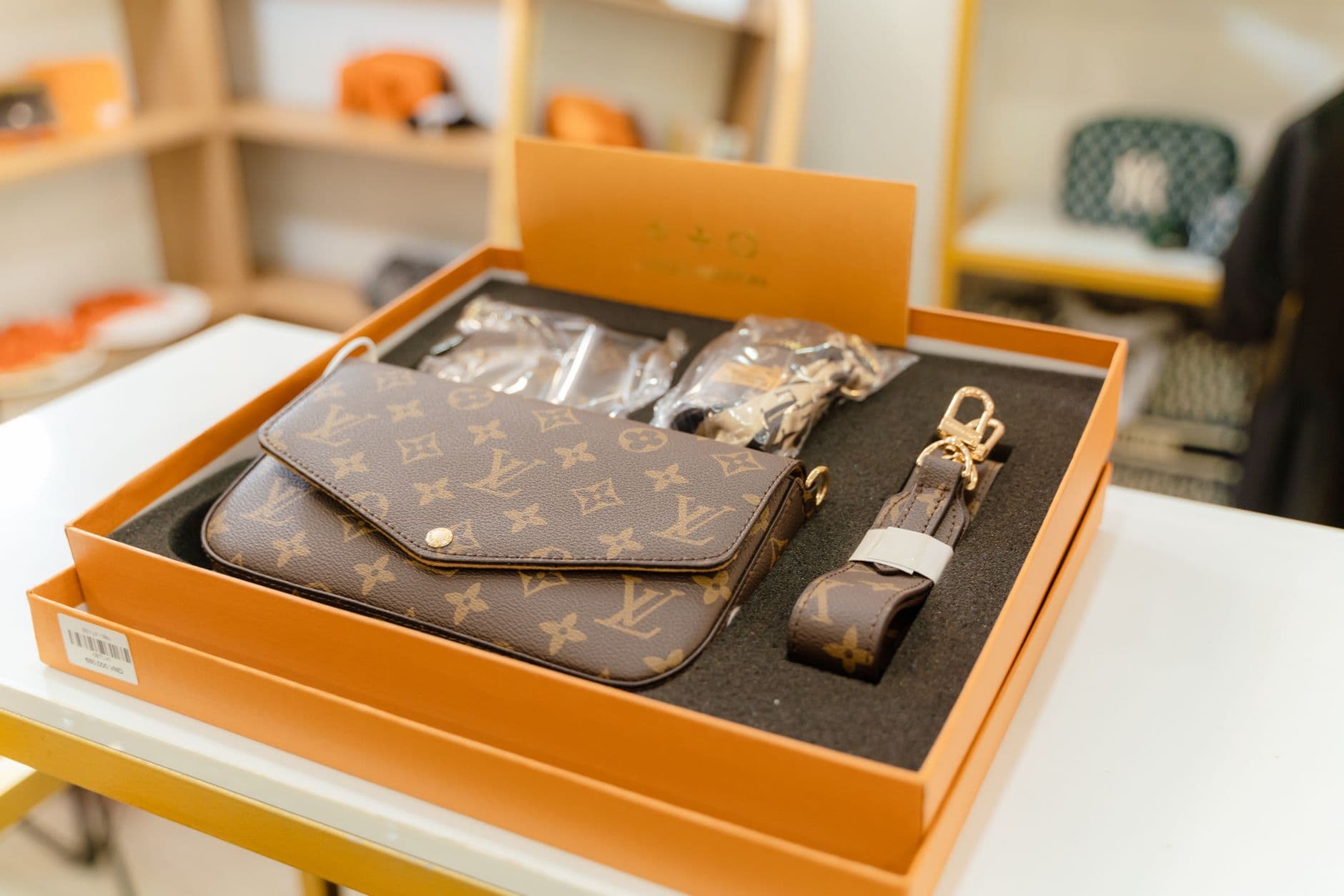
That history also explains why the form has lasted so well in anniversary coverage marking 130 years of the print. What Goes Around Comes Around, W Magazine, and Vogue Adria all pointed back to the same enduring fact: a monogram can function as brand signature, anti-counterfeit device, and personal mark at once. The Los Angeles Times has also made the case for monogramming everything you own and love, which reflects how far the idea has moved from old etiquette into modern style language.
Where monogramming can cheapen a gift is usually where it overwhelms the object or narrows its future use. A heavy-handed initial on a collectible bag, for example, can compete with the silhouette and make resale more complicated later. That does not mean personalization is wrong; it means the scale, placement, and permanence of the mark matter as much as the gift itself.
How to keep the gesture refined
The most luxurious monograms are usually the quietest. Tone-on-tone embroidery, blind embossing, and a small engraved plaque tend to look more considered than oversized lettering, especially on heritage materials like leather and silk. The point is not to announce the giver’s effort, but to make the object feel inevitable, as if the initials were always meant to be there.
It also helps to choose the recipient’s preferred naming convention rather than the one on a legal document. If someone uses a first-middle-last format, a maiden name, a married name, or a single initial in daily life, the monogram should reflect that choice. Luxury feels most personal when it gets the details right, because initials are only elegant when they sound like the person who will use them.
Lead time matters too. Custom monogrammed gifts require more planning than standard ready-to-wear purchases, especially if the work involves embroidery, embossing, or a bespoke plaque. That delay is part of the value: it signals that the gift was considered early enough to be made properly, not chosen in a rush.
The best monogrammed gift is therefore not the loudest one, or even the most expensive one. It is the object whose materials, shape, and initials all agree with one another, so the result feels less like branding than belonging.
This article was produced by Prism’s automated news system from verified source data, official records, and press releases, then run through automated quality and moderation checks before publishing. The system is built and supervised by the people who set the standards it runs under. Read our full AI policy.
Did this article answer your question?