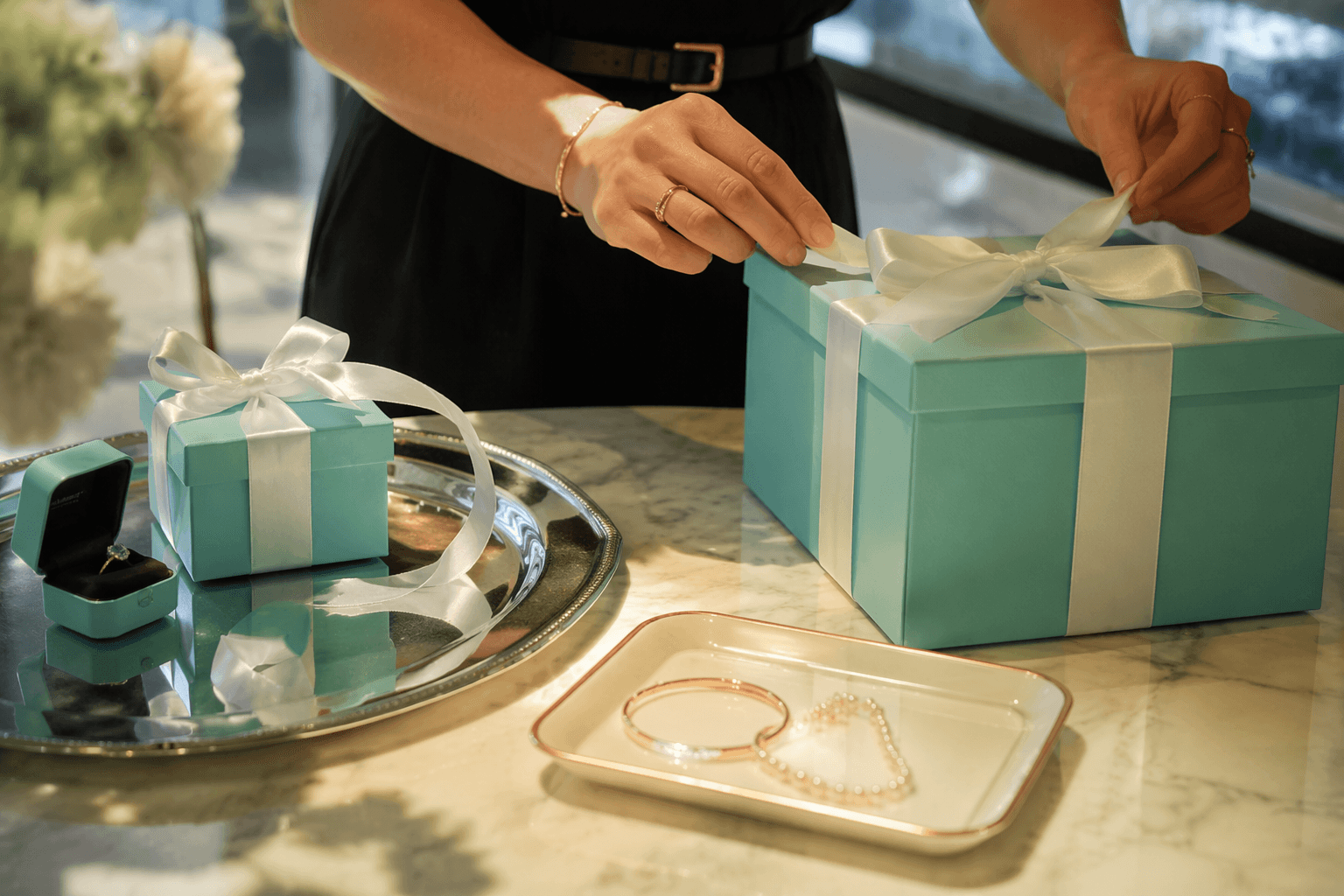
Mother's Day Gifting Shifts Toward Luxury Wellness Devices and Recovery Tech
Mother's Day spending is shifting fast: clinic-grade wellness devices are replacing flowers as the splurge gift of choice, led by tools that start above $4,000.
Mother's Day gifting has undergone a quiet but significant elevation. The category that once peaked at a bouquet of peonies and a box of Compartés chocolates has quietly become one of the most competitive luxury gift segments of the year, with consumers redirecting serious spending toward at-home wellness devices and recovery technology that deliver measurable, lasting results. It is a shift backed by money: the global wellness economy reached $6.8 trillion in 2024, according to the Global Wellness Institute, growing nearly 8% year over year. Gifters who once topped out at $200 are now asking about devices that cost more than a round-trip business class ticket to Tokyo.
The macro logic is straightforward. A generation of consumers who have spent years booking cryotherapy sessions, red-light facials, and lymphatic drainage appointments now wants those results at home, on their own schedule. Premium clinics have effectively validated the technology; the gifting market is simply catching up. What makes this moment different from previous beauty-tech cycles is that the devices now being purchased are not novelties. They are downsized versions of tools used in professional settings, and their price points reflect it.
The Gift That Delivers: Skin and Glow
The LYMA Laser Pro is the device that defines the top of this new gifting tier. Starting at $4,995, it delivers 1,450mW of total laser power, triple the intensity of LYMA's original model, across a wider treatment head engineered specifically for full-face coverage. Where the standard LYMA Laser excels at targeted, precise treatment of specific patches and is well-suited for preventative anti-aging, the Pro is built for those who want structural improvement across the entire face with a faster return: clinical protocols show visible results within 30 days of daily use, compared to the 12-week horizon of the original.
The technology works by activating mitochondria in skin cells to stimulate the production of collagen, elastin, and hyaluronic acid, gradually thickening the epidermal layer. There is no heat, no discomfort, and no downtime. It can be used over makeup or sunscreen, runs on a two-hour battery, and the protocol is genuinely simple: cleanse, apply six pumps of the brand's Glide conducting serum, press the button, and move slowly across the face. That accessibility matters enormously when gifting a device to someone who may not have clinical experience with laser technology.
Gifter's Checklist: LYMA Laser Pro
Before committing to any device at this price point, run through this checklist:
- Set-up complexity: Low. No calibration, no settings to navigate. Operational within minutes of unboxing.
- Ongoing refills/subscriptions: Yes. The LYMA Glide serum is required as a conducting medium and will need to be replenished regularly; factor this into the total cost of ownership.
- Space needs: Minimal. The device is handheld and stores in its case; no countertop footprint required.
- Safety and contraindications: Not recommended during pregnancy or for individuals with certain photosensitive skin conditions. Confirm suitability before gifting, especially if the recipient is on medication that increases light sensitivity.
- Return policy: LYMA accepts returns of unopened, unused products within 14 days of purchase in original packaging with the hygiene seal intact. Contact the LYMA Concierge Team for gift-specific returns.
The Gift That Delivers: Muscle Recovery
Below the LYMA tier, percussive therapy devices have matured into genuinely compelling gifts. The Therabody TheraFace Pro bridges the recovery and beauty categories, combining microcurrent, red-light LED therapy, and percussive massage in a single handheld unit that addresses both facial lifting and muscle tension along the jaw, neck, and décolletage. It positions well as a gift for someone who already has a skin care routine but wants a tool that treats the face with the same seriousness they bring to post-workout recovery. The Hyperice Hypervolt 2 Pro, meanwhile, remains the benchmark for full-body percussive recovery, and at around $299 it lands in the mid-luxury band that works well when paired with something more consumable to build out a complete gift.
Gifter's Checklist: Percussive Recovery Devices
- Set-up complexity: Very low. Charge and use.
- Ongoing refills/subscriptions: None required.
- Space needs: Modest; devices are handheld but benefit from a designated charging spot.
- Safety and contraindications: Avoid over bones, joints, and inflamed tissue. Not recommended immediately post-injury without medical clearance.
- Return policy: Varies by retailer; confirm before purchase, as opened electronics often carry restocking fees.
The Gift That Delivers: Sleep
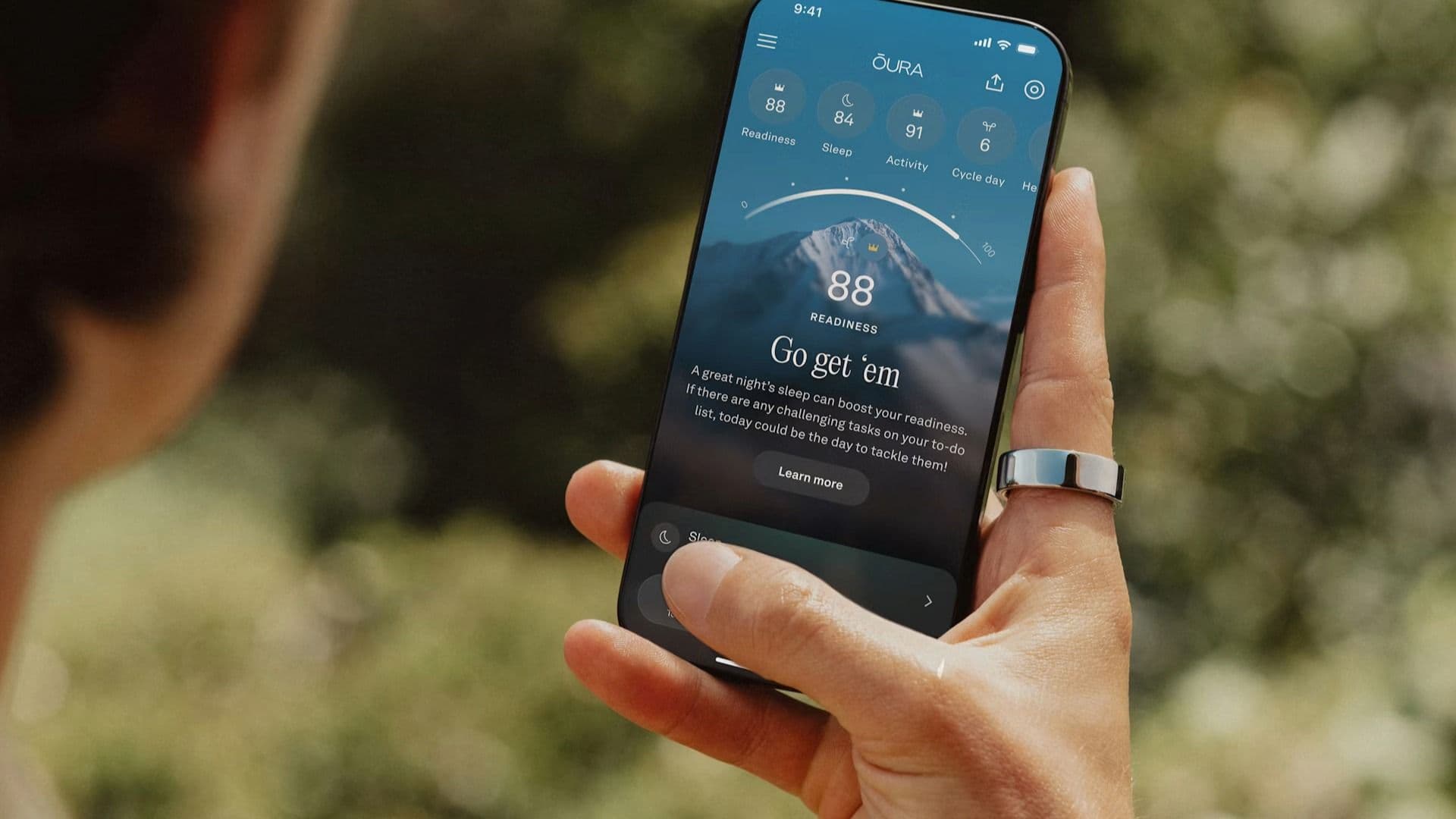
Sleep technology represents the fastest-growing subcategory in at-home wellness gifting. The Oura Ring 4, worn overnight, tracks heart rate variability, body temperature, and sleep stages with clinical-grade precision, then synthesizes the data into daily readiness and sleep scores that many users describe as genuinely changing how they approach recovery. At $349 for the device plus a $5.99 monthly subscription, it occupies a sweet spot: premium enough to feel like a real gift, accessible enough that the recipient will actually activate it. For gifters who want to spend more, pairing the ring with a quality magnesium glycinate supplement and a weighted blanket creates a sleep-focused bundle that covers both the measurement and the behavioral nudge.
Gifter's Checklist: Sleep Devices
- Set-up complexity: Moderate. Requires app download, account creation, and a calibration period of several days before full data accuracy.
- Ongoing refills/subscriptions: Yes. The Oura membership is $5.99/month after the first complimentary month.
- Space needs: None; the ring is worn on the finger.
- Safety and contraindications: Not compatible with most pacemakers or other implanted electronic devices.
- Return policy: Oura offers a 30-day return window, which gives the recipient time to properly evaluate it.
The Gift That Delivers: Stress Relief
Red-light therapy panels have moved from rehab clinics into home gyms and bedrooms, and the science behind them, including reduced inflammation and improved cellular recovery, is now robust enough that gifts in this category carry real credibility. Joovv panels start around $599 for tabletop models and scale significantly for larger formats. They work well as gifts for people who already invest in fitness or recovery, as the devices slot naturally into a post-workout or evening wind-down routine.
Bundle It
The single most effective way to give a device at any price point is to pair it with its most essential consumable, transforming what could feel like a utilitarian purchase into a complete gifting moment.
- Hero device: LYMA Laser Pro + Bundle with: A full-size LYMA Glide serum and the brand's Supplement starter kit. The Supplement, a nutraceutical formula designed to support skin health from within, completes the inside-out approach the brand is built around, and it signals that you understand the system, not just the device.
- Hero device: Oura Ring 4 + Bundle with: A luxury magnesium supplement (Magnesi-Om by Moon Juice, $42) and a cashmere eye mask. The combination addresses sleep from every angle: data, mineral support, and sensory comfort.
- Hero device: Therabody TheraFace Pro + Bundle with: A high-quality facial oil for use post-treatment and a gua sha stone for manual lymphatic drainage on off-days.
The Longevity Argument
The single most important reframe for anyone considering this category of gift is a simple one: a device purchased today will still be delivering results in three to five years. Flowers last a week. A box of chocolates lasts a long weekend. A clinic-grade laser that you gift this May will become part of someone's morning routine by June and a permanent fixture in how they think about their skin by December. At the high end of the market, that is the value proposition: not a gesture, but a genuinely lasting investment in someone's daily quality of life. Given that the global wellness economy is now projected to reach $9.8 trillion by 2029, the brands engineering these devices are not going anywhere, and neither is the support infrastructure around them.
The gifting logic has shifted from "what will she like?" to "what will actually change how she feels every morning?" That is a harder question to answer, but the devices that do answer it earn a permanent place in the bathroom, the bedroom, and the routine — which is the only place a truly great gift ever ends up.
This article was produced by Prism’s automated news system from verified source data, official records, and press releases, then run through automated quality and moderation checks before publishing. The system is built and supervised by the people who set the standards it runs under. Read our full AI policy.
Did this article answer your question?