Piaget closes Extraleganza trilogy with vivid high-jewelry collection
Piaget’s final Extraleganza chapter packs 65 high-jewelry pieces into a vivid legacy gift, from an 8.52-carat sapphire necklace to a convertible sautoir watch.
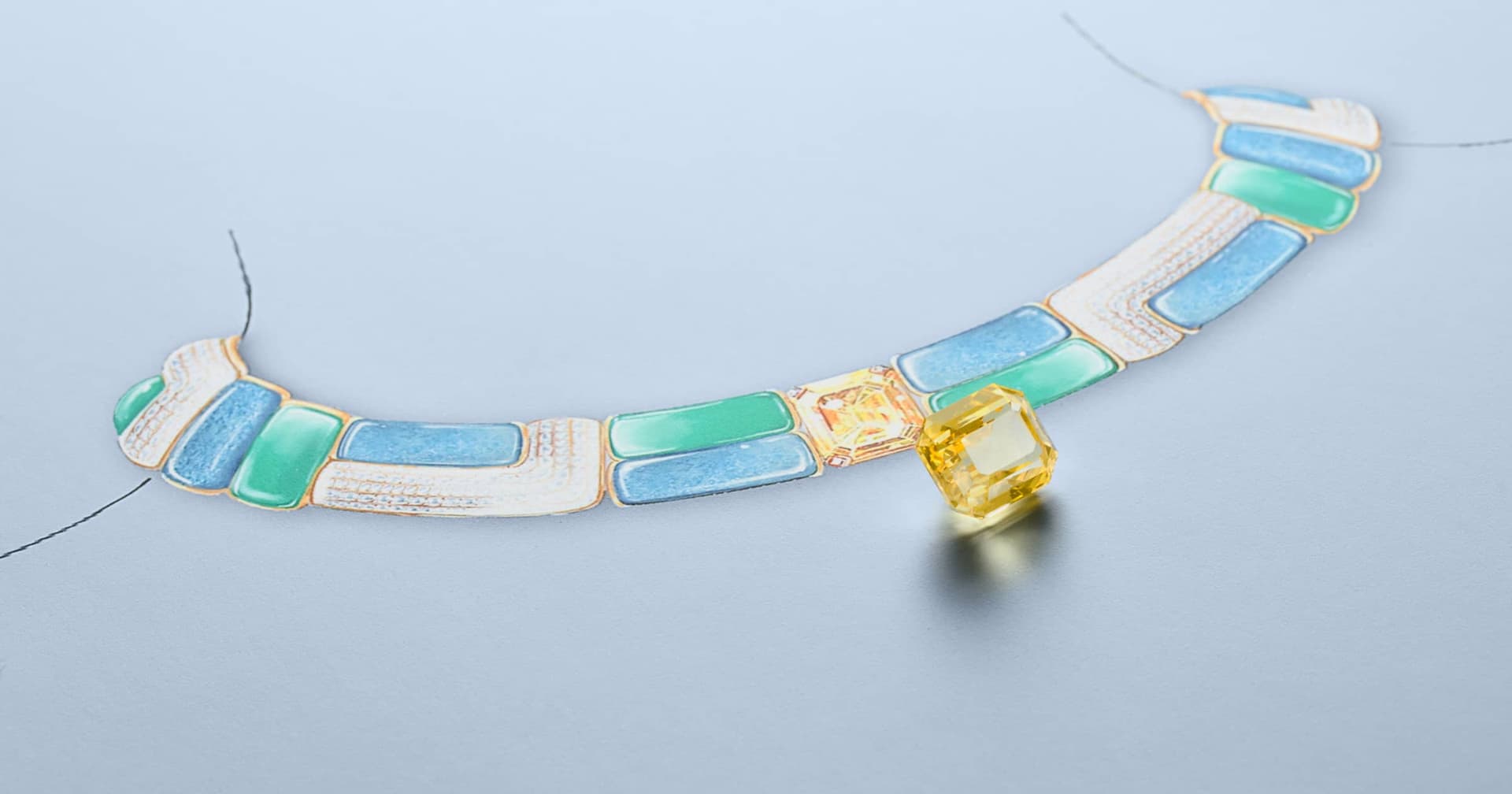
Piaget closed its three-year Extraleganza trilogy with Colors of Extraleganza, a 65-piece high-jewelry collection that reads like a gift built for anniversaries, inheritances, and the kind of milestone that deserves more than a standard jewel box. The final chapter follows Essence of Extraleganza in 2024, released for Piaget’s 150th anniversary, and Shapes of Extraleganza in 2025.
That sequence matters because Piaget framed the trilogy as a return to its creative golden years in the 1960s and 1970s, when the house leaned into color, daring form, and ornamental stones with a kind of confidence that still feels modern. The maison traces its origins to 1874 in La Côte-aux-Fées, Switzerland, and says Extraleganza is built on boldness, elegance, color, ornamental stones, and artistic freedom. For a buyer searching for a generational gift, that combination signals more than rarity: it suggests a piece meant to carry a story forward.
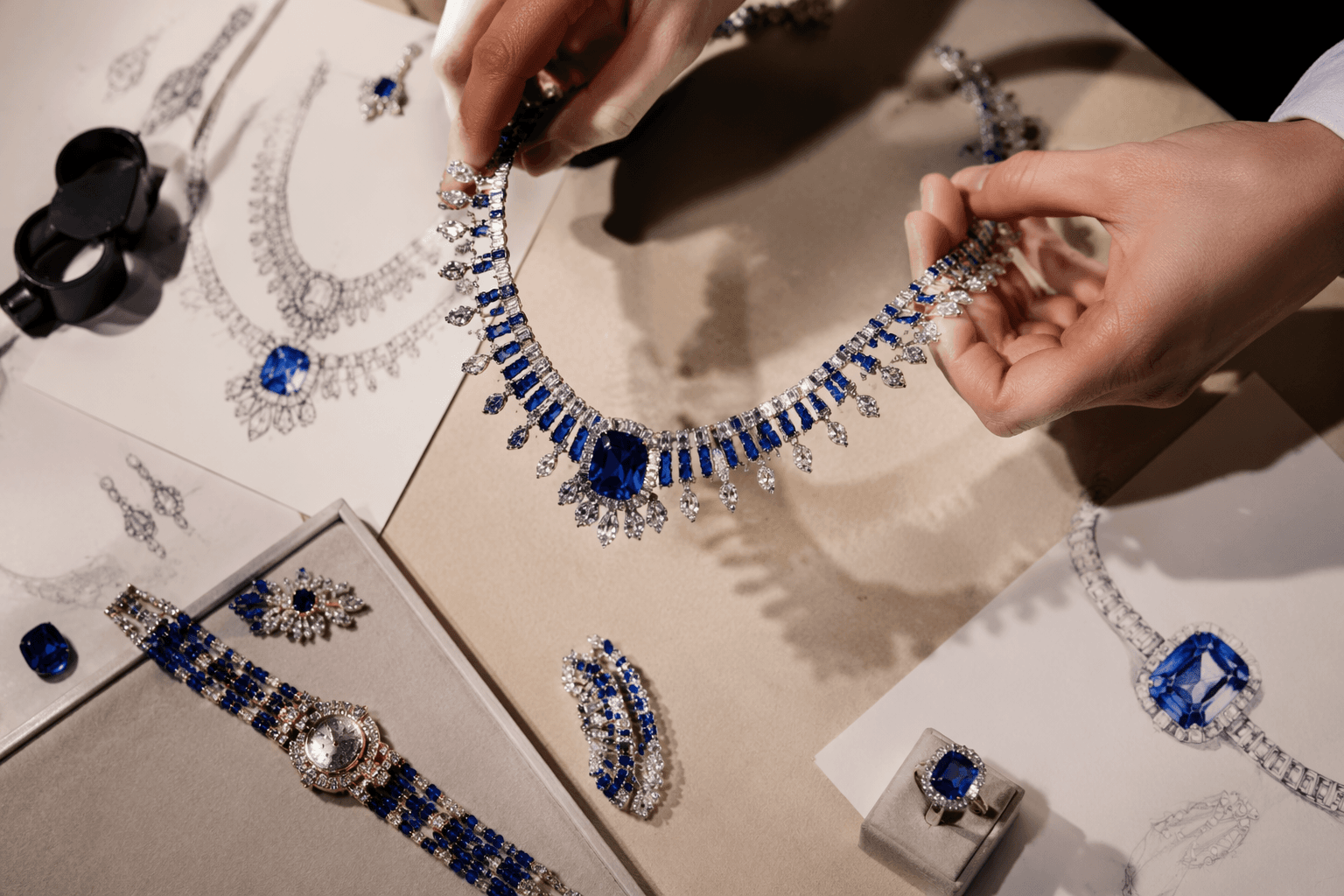
The strongest example is Blue Illusions, a necklace that took nearly 900 hours to craft. Set with an 8.52-carat cushion-cut Madagascan sapphire, a 3.30-carat Paraíba tourmaline, and a 13.98-carat black opal, it has the kind of chromatic drama that makes high jewelry feel personal rather than merely precious. This is the sort of piece that works as a once-in-a-lifetime anniversary gift because the stones do the emotional heavy lifting: sapphire for depth and loyalty, Paraíba for brilliance, opal for surprise.
Piaget’s gift case gets even sharper with Flamboyant Links, which revives a sautoir watch first shown in 1969 as part of the 21st Century Collection. It can convert from sautoir into a choker or wristwatch, a versatility that makes it especially compelling for a collector who wants one jewel to travel from gala to dinner to wrist in a single gesture. That flexibility is luxury at its most thoughtful: not just spectacle, but use.
The craftsmanship behind all of it reaches back to Piaget’s ultra-thin 9P calibre, introduced in 1957, which opened room on the dial for hardstones and gems, and to the Geneva workshops where watchmakers, goldsmiths, gemologists, and engravers work under one roof. After Piaget’s bold 2025 presentation in Barcelona, the new collection confirms the maison still knows how to turn technical mastery into something giftable, collectible, and destined for the next generation.
This article was produced by Prism’s automated news system from verified source data, official records, and press releases, then run through automated quality and moderation checks before publishing. The system is built and supervised by the people who set the standards it runs under. Read our full AI policy.
Know something we missed? Have a correction or additional information?
Submit a Tip