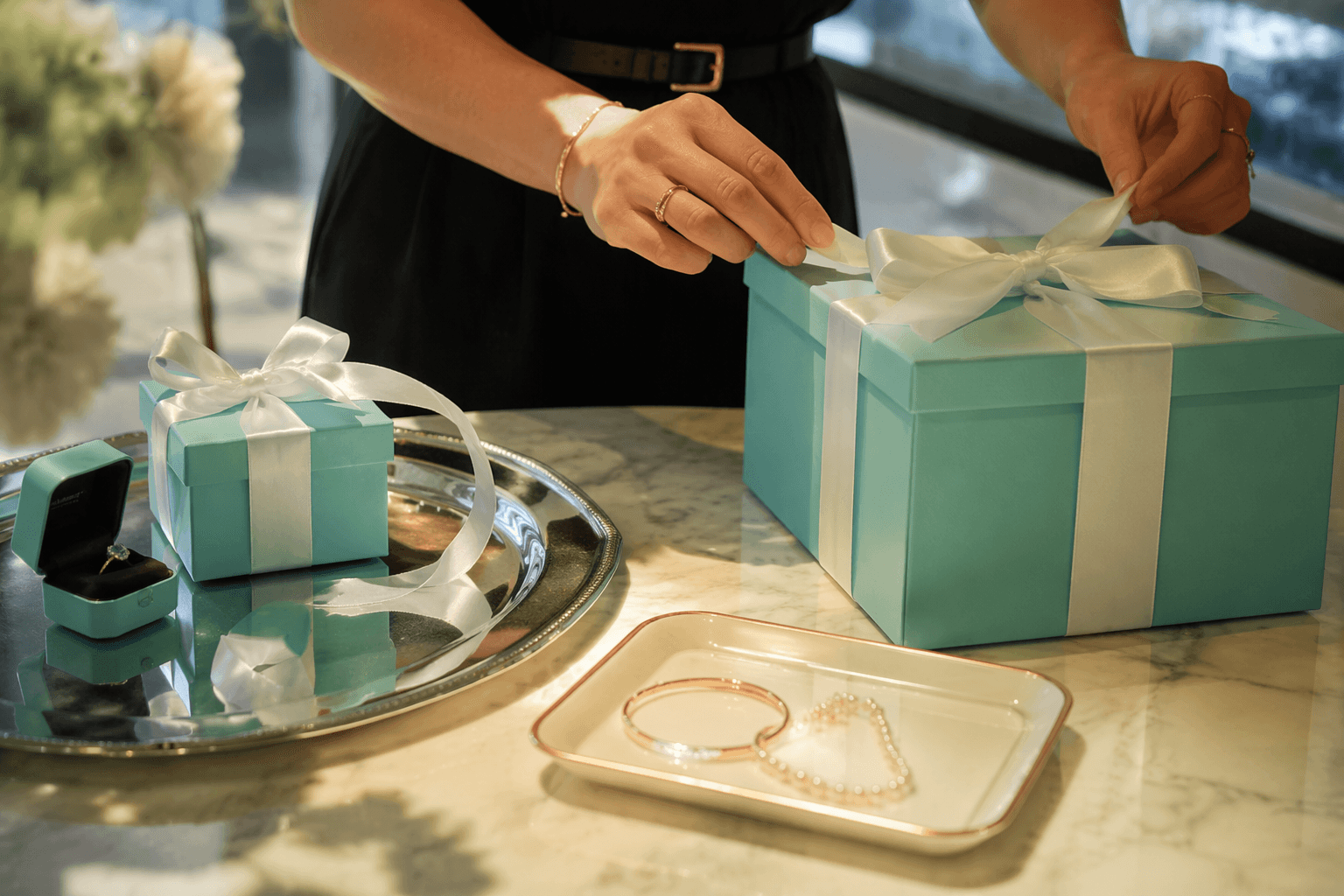
RUSSH spotlights 2026 luxury fragrance launches for self-gifting
Self-gifting is turning fragrance into 2026’s most intimate luxury purchase, with layered, genderless bottles leading the pack.
1. TSU LANGE YOR The Garden Set
This is the kind of fragrance launch that makes self-gifting feel architectural, not impulsive. TSU LANGE YOR positions The Garden as three fragrances rooted in soil, vine and sunlit return, designed by Troye Sivan in Carlton, Australia, and described as “unorthodox elevation” for self and sanctuary. It matters because it reads like a personal ritual, not just another bottle.
2. Maison Margiela Scentsorium
Maison Margiela’s six-piece Scentsorium line is one of the clearest examples of fragrance as luxury object, not mere consumable. The house calls it genderless and builds it around six “chapters of life,” which gives the collection a narrative spine, and the 6-piece 2ml discovery set at $60 is the smartest entry point for someone who wants to test the world before committing.
3. Le Labo VIOLETTE 30
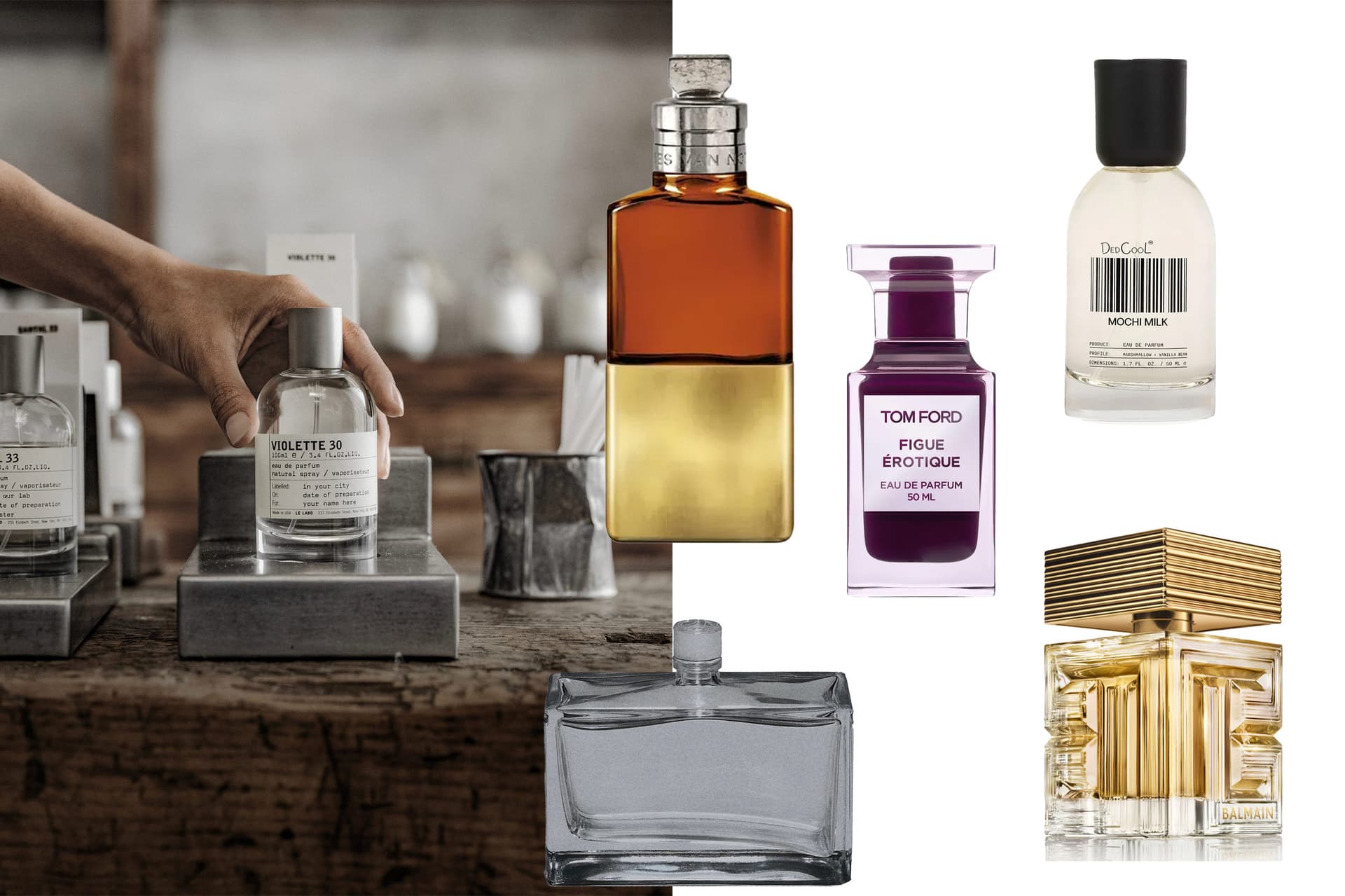
VIOLETTE 30 is for the person who wants elegance with a little edge. Le Labo centers it on the rarer white violet and layers in green floral notes, white tea, cedarwood and guaiacwood, giving the scent a woody-floral profile that feels deliberate rather than decorative. It dropped across Le Labo stores in May 2026, and it already reads like a bottle chosen by taste.
4. Dior’s personal perfume twist
Dior turning its viral Lip Oil into a personal perfume says everything about where luxury beauty is headed. The appeal is not novelty for novelty’s sake, but recognition: a beloved product becomes something you can wear closer to the skin, which makes it feel intimate and giftable in a way a cold launch never could.
5. Balmain’s house-wide fragrance energy
Balmain’s Spring-Summer 2026 campaign and collection messaging underline continuity and evolution, which is exactly the right posture for fragrance right now. When a fashion house frames its world this way, scent stops feeling like a side category and starts looking like part of a larger style identity, which makes it a sharper gift for someone who buys into a brand’s point of view.

6. Gourmand scents
Gourmands are the year’s easiest luxury flex because they deliver pleasure without needing explanation. RUSSH’s roundup makes clear that 2026 fragrance is leaning hard into food-adjacent warmth, and that shift favors scents that feel delicious, wearable and a little addictive, especially for someone who wants their fragrance to feel comforting as well as polished.
7. Food-adjacent notes
The smartest food-inspired fragrances are the ones that stop just short of dessert. That is why food-adjacent notes are so compelling in this moment: they give a scent texture and appetite without turning it cloying, which makes them feel more like a considered indulgence than a trend chase.
8. Genderless composition
Genderless fragrance has moved from talking point to luxury baseline, and both Maison Margiela and Le Labo show why it works. Stripped of rigid marketing categories, the bottle becomes a personal accessory, which is exactly what self-gifting should be, an object chosen for mood, not for permission.
9. Layering-friendly scents
Layering-friendly fragrance is one of the strongest signals that a bottle was made for repeat wear, not a one-night debut. In the self-gifting economy of 2026, that matters because the best purchase is the one that can flex across work, dinner and weekends without losing its shape.
10. Specialized hair perfume

Specialized hair perfume is a small luxury with unusually high emotional return. RUSSH’s inclusion of it among the year’s bold moves shows how the category is expanding beyond the wrist and neck, giving the wearer a more complete scent ritual and a subtler trail that feels especially refined.
11. Upcycled ingredients
Upcycled ingredients are no longer just a sustainability talking point, they are part of what makes a fragrance feel current. In the best cases, the message is not moralizing but material, with the result that the scent feels more thoughtful and less disposable, which is exactly the kind of restraint luxury needs.
12. Discovery sets
Discovery sets have become a genuinely luxurious way to self-gift because they give you time, not just a first impression. Maison Margiela’s 6-piece 2ml set at $60 is a clean example of entry-luxury done right, especially for the scent curious buyer who wants the experience of choosing well before buying big.
13. White violet
White violet is the note that gives Le Labo’s VIOLETTE 30 its quiet confidence. By using a rarer, shadow-seeking floral instead of a louder sweet profile, the brand makes the fragrance feel more tailored and more adult, which is exactly why it stands out in a field crowded with louder launches.
14. The market behind the moment
The bigger story is scale: Forbes cites research projecting the luxury niche perfume market at $3.8 billion in 2024, rising to $7.6 billion by 2032, while Statista projects the worldwide fragrance market at £48.4 billion in 2026. That growth explains why the best self-gifts now feel less like purchases and more like private declarations of taste, and these are the bottles that make that argument convincingly.
This article was produced by Prism’s automated news system from verified source data, official records, and press releases, then run through automated quality and moderation checks before publishing. The system is built and supervised by the people who set the standards it runs under. Read our full AI policy.
Did this article answer your question?