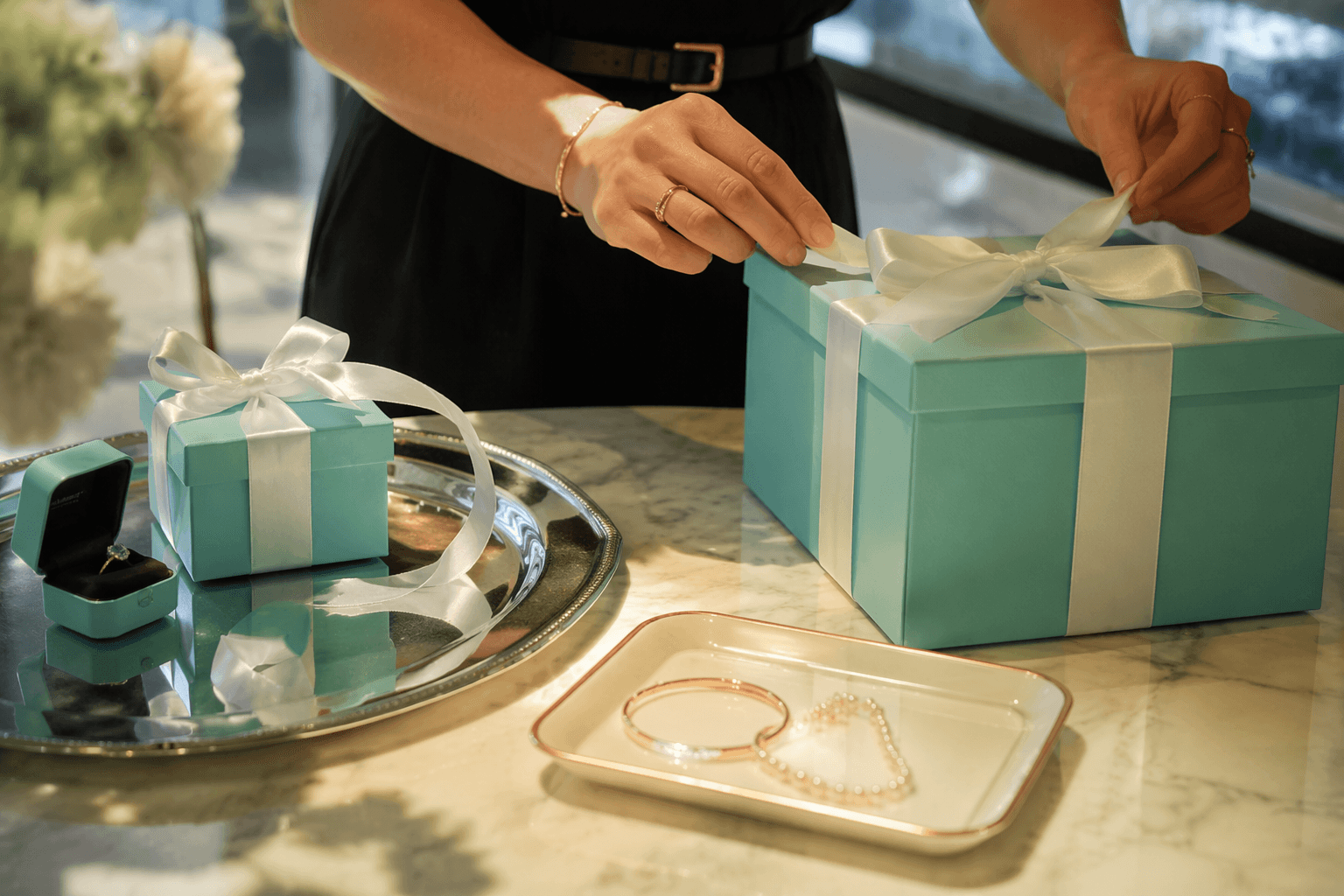
Smart kitchen tools and gourmet treats for stylish food lovers
Premium kitchen tools and gourmet treats are becoming the new status gifts: useful enough to live with, polished enough to display, and personal enough to feel chosen.

A good food gift no longer disappears into a drawer or a pantry corner. The most desirable presents now sit at the intersection of taste and utility: a beautiful tool on the counter, a delicacy worth opening in front of guests, or a bar-cart piece that makes a home dinner feel like a private club. That shift is part of why luxe kitchen gifts are showing up everywhere, from retailer gift hubs to editor-approved roundups, and why they are resonating with hosts who care as much about presentation as they do about function.
Why this category feels so current
Food gifting is scaling fast because it has become a more intentional category. Research and Markets values the global food gifting market at USD 33.22 billion in 2023 and projects it to reach USD 44.65 billion by 2029, a 5.1% CAGR. In North America, the category has moved well beyond generic hampers into artisanal treats, gourmet gift baskets, luxury chocolates, and custom-made delicacies. That evolution matters: the gifts that feel special now are the ones that look curated, not bulked out.
The broader luxury market helps explain the appetite. Statista forecasts worldwide luxury-goods revenue at US$480.33 billion in 2026, with the United States expected to generate about US$97 billion in personal luxury goods revenue. In other words, the market for expensive things is large, but the most persuasive gifts are not always the most expensive ones. A well-chosen food gift can feel more luxurious than a logo-heavy object because it is meant to be used, shared, and remembered.
Smart kitchen tools that deserve counter space
The smartest kitchen gifts are no longer the purely technical ones. They are the pieces that make a kitchen look more composed even when they are doing real work. The Kitchn notes that brands have been rolling out fresh kitchen goods for entertaining and meal prep since the start of the year, and that steady flow has changed the look of the category. The most giftable tools now resemble design objects first and gadgets second.
Think of the kind of equipment that earns permanent placement rather than a cabinet graveyard: a handsome scale for baking, a sleek grinder, a compact appliance in a finish that actually complements the kitchen, or a serving piece that moves easily from prep to table. These gifts work because they acknowledge how people really cook at home now. They are practical, but they also communicate taste the moment they are unboxed.
Williams Sonoma’s 2026 gift hub makes the point clearly by organizing gifts for foodie, cook, coffee connoisseur, baker, mixologist, wine lover, griller, and outdoor cook. That segmentation is revealing. It says the best gift is not one-size-fits-all housewares but a specific object for a specific kind of home ritual. A serious baker wants precision and order. A coffee connoisseur wants consistency. A griller wants tools that look as good hanging by the stove as they do by the patio.
Gourmet consumables with real display value
Edible gifts are having a luxury moment because the best ones feel more curated than consumable. The North American food gifting market’s move toward artisanal treats, luxury chocolates, and custom-made delicacies reflects a broader preference for provenance and craft. The ideal version is not a random basket of sweets, but a tightly edited set of items with flavor, story, and packaging discipline.
That is also where consumer taste is moving overall. Mintel’s 2026 food and drink predictions emphasize resilience, diversity, and sensory innovation, while also suggesting that brands may act as cultural custodians by preserving or modernizing traditional food wisdom. That makes gourmet gifting feel especially relevant now. A beautifully sourced olive oil, an unusual preserving jam, a small-batch chocolate assortment, or a regional specialty with a clear origin story feels more meaningful than a forgettable assorted box.
The best consumable gifts also invite a ritual. They are opened for guests, poured over a dish, or placed beside coffee after dinner. That is what gives them staying power as gifts: they do not just taste good, they create a moment. Mintel’s food-and-drink trend analysis, built on social intelligence across more than 200 million consumer conversations, points to the same appetite for multisensory, culturally resonant products.
Bar-cart pieces that make entertaining feel effortless
If the kitchen is becoming more personal, the bar cart is becoming more expressive. Cocktail-focused gifts now occupy the sweet spot between utility and display, especially for hosts who like to pour at home. The most effective pieces are the ones that change the mood of a room: polished ice tools, elegant glassware, a statement decanter, or a cocktail accessory that looks intentional enough to stay out between gatherings.
This is where luxury gifting gets interesting, because bar-cart pieces carry a little theater. They are not merely functional; they signal that the host cares about the experience of entertaining. For mixologists and wine lovers, that can mean a tool with a satisfying weight in the hand or a serving object that turns an ordinary pour into a ritual. The point is not excess. It is the feeling that every detail has been considered.
That same logic is showing up beyond the home. Grand View Research estimates the global culinary tourism market at USD 16.11 billion in 2025 and projects it to reach USD 76.36 billion by 2033. People increasingly want gifts that connect to how they eat, travel, host, and discover, not just what they own. A beautiful bar accessory or a premium pantry item fits that mindset perfectly because it feels tied to a life of experiences.
Who these gifts are really for
These gifts work best when the recipient already has a point of view. Give smart kitchen tools to the friend who organizes their pantry and actually uses a recipe scale. Choose gourmet treats for the person who notices where ingredients come from and enjoys opening something exceptional for guests. Pick bar-cart upgrades for the host whose dinners always end with a second round.
That level of specificity is what separates a thoughtful gift from a polite one. In a market where food gifting is growing, and where luxury buyers are still willing to spend, the most persuasive objects are not the flashiest. They are the ones that feel chosen for a real person, in a real home, with a real style of entertaining. That is what makes this category feel so current: it rewards taste, but it also rewards attention.
This article was produced by Prism’s automated news system from verified source data, official records, and press releases, then run through automated quality and moderation checks before publishing. The system is built and supervised by the people who set the standards it runs under. Read our full AI policy.
Did this article answer your question?