Standout luxury accessories, the season’s smartest wardrobe refreshes
One accessory can do more than a full wardrobe refresh, and the smartest gifts now are the ones built to be worn, noticed and kept.

One accessory, not a cart of trends
A single luxury piece is the sharper buy this season, especially when it has enough character to outlast the outfit around it. WWD’s spring 2026 accessories edit argues for collectible pieces and ornate shoes over disposable trend buys, and its broader coverage says the season’s strongest accessories are defined by craftsmanship, textural richness and colorblocking. Accessories also remain strategically important to luxury houses because they give shoppers a lower-priced entry point into a brand’s world, while helping brands push back against slumping sales.
Why statement shoes still change the most outfits
Dior’s Médaillon loafer
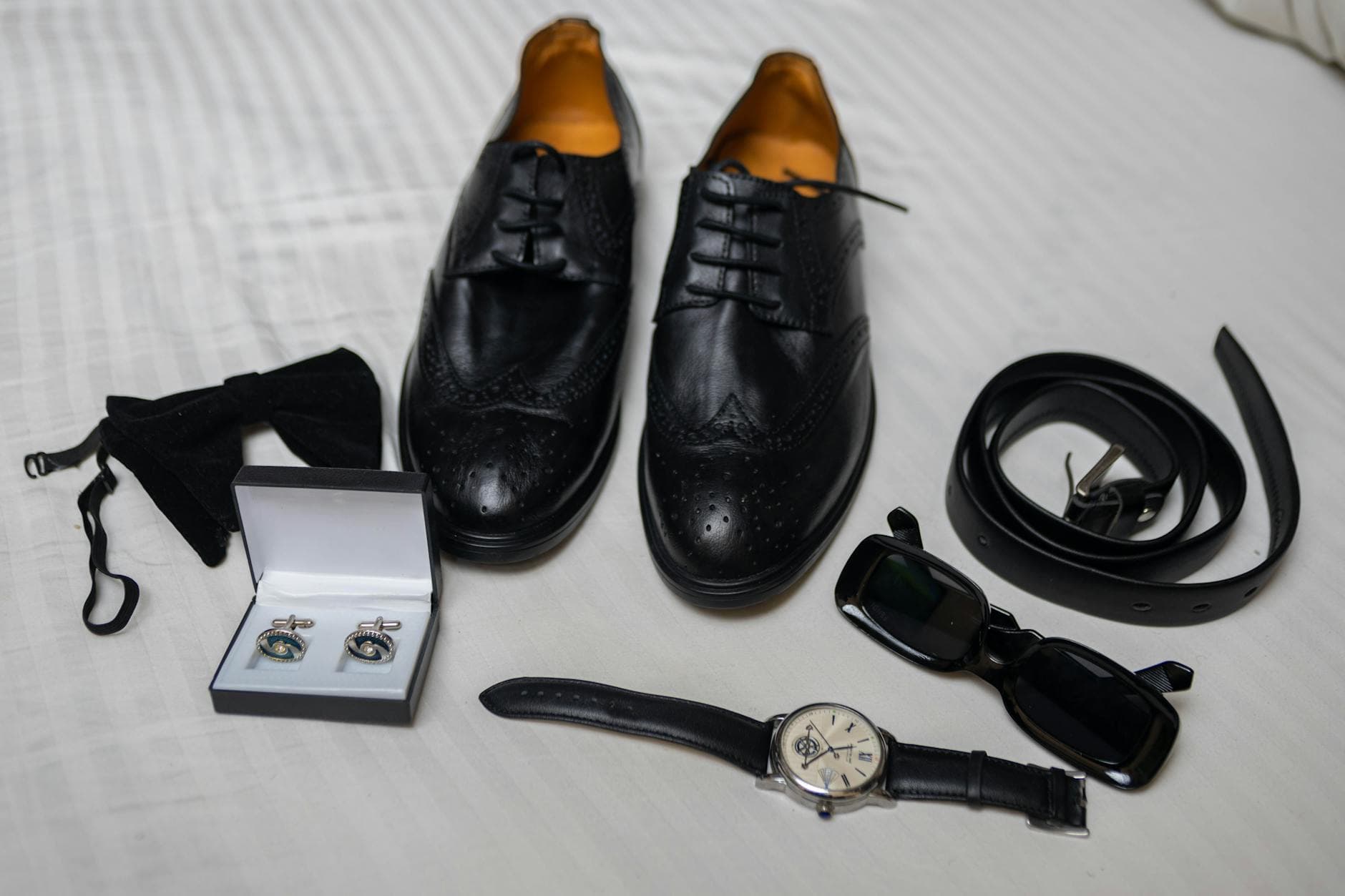
If the gift needs the biggest immediate wardrobe impact, shoes have the edge because they alter proportion, posture and the whole silhouette every time they are worn. Dior’s Médaillon loafer was presented at Jonathan Anderson’s debut fashion show for the house, and Dior frames it as a square-toed black-and-white lambskin style that channels 18th-century rococo refinement through the Médaillon signature. Listed at $1,550 on Dior’s site, it is expensive enough to feel considered but not so rarefied that it becomes a display-only object, which is exactly why it works as a luxury gift with repeat wear.
The loafer also reads like a gift with provenance, not just polish. It carries Jonathan Anderson’s debut for Dior in its backstory, which gives it conversation-starting power in a way many seasonal accessories never manage. For someone who wants one purchase to refresh suits, dresses and denim alike, that kind of visual authority matters more than a pile of smaller buys.
Why high jewelry still wins the keepsake test
Tiffany’s Blue Book 2026: Hidden Garden
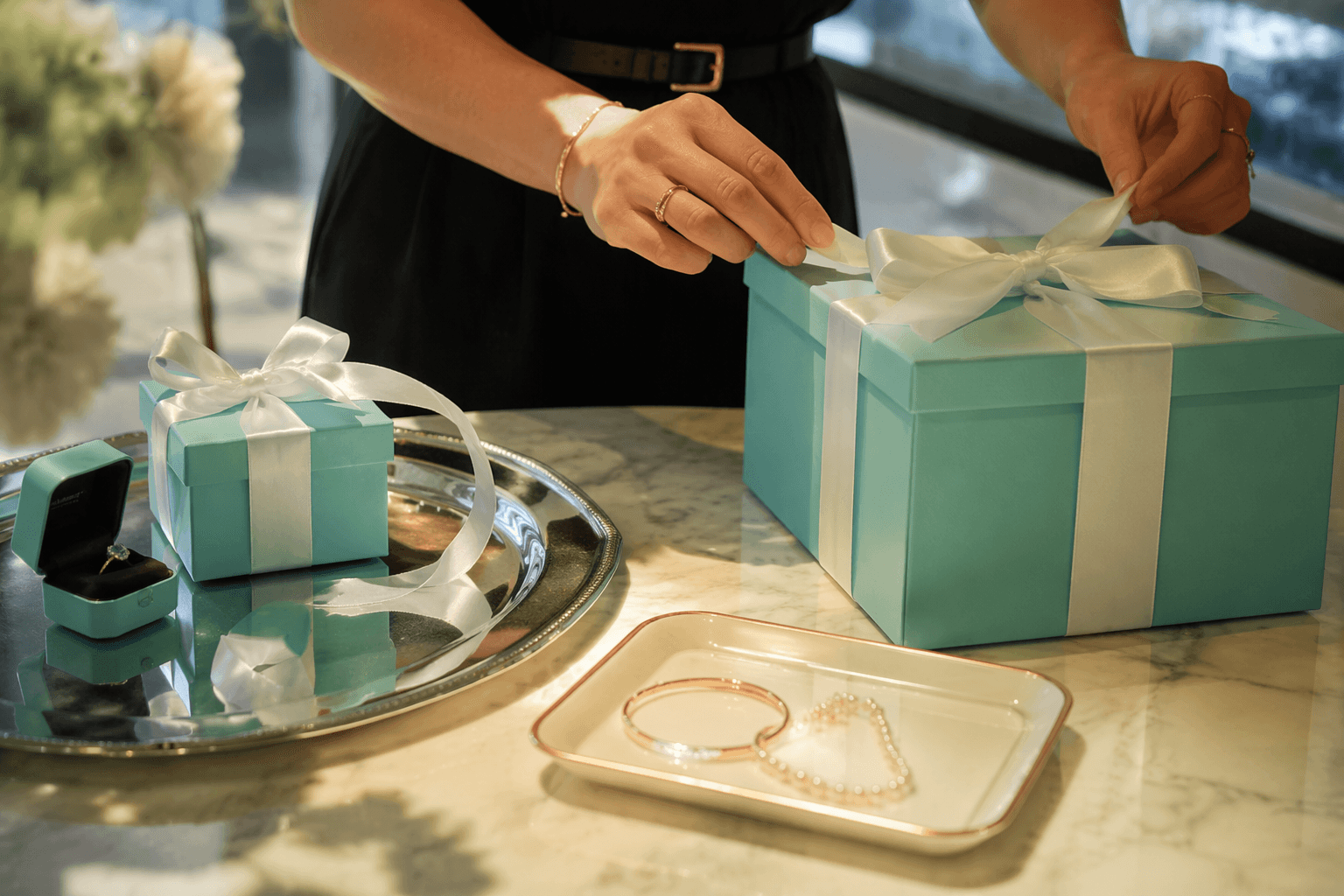
Jewelry is the better answer when the gift needs to feel like a future heirloom as much as a wardrobe addition. Tiffany & Co.’s Blue Book 2026: Hidden Garden is the house’s spring 2026 high jewelry collection, designed by Nathalie Verdeille with the Tiffany Design Studio, and it leans on exceptional diamonds, colored gemstones and Jean Schlumberger’s flora-and-fauna motifs. Pieces such as Bird on a Rock, which returns in a necklace with a 22-carat Santa Maria-hued aquamarine from Brazil, are built around the kind of craftsmanship and archival storytelling that make a gift linger long after the occasion passes.
This is the stronger route if the recipient already has enough shoes, bags and watches to rotate, but wants one object with lasting narrative weight. High jewelry does not need to compete with the rest of the outfit the way a statement shoe does; it becomes the outfit’s punctuation mark, especially when the design language comes from a house as storied as Tiffany and from a creative force such as Nathalie Verdeille.
The new signal in collectible luxury
MARLI’s move into watchmaking
MARLI New York is a good reminder that the collectible-gift category is not limited to heritage houses alone. On April 13, 2026, the brand announced MARLI Timepieces, extending the company founded in 2014 by Maral Artinian into watchmaking and linking New York energy with Swiss precision in Geneva. That move matters because it places watches in the same conversation as jewelry: both categories promise daily wear, visible craftsmanship and enough specificity to feel personal rather than generic.
It also shows how quickly luxury brands are broadening the definition of a “special” accessory. MARLI’s expansion into watches underscores a simple truth: when a house has built equity through fine jewelry, a timepiece can become the next giftable object with the same signature codes, only with a different rhythm of use.
What the market is telling buyers
The appetite for one durable accessory also makes sense against the wider luxury backdrop. Bloomberg reported in April 2026 that LVMH had its worst start to a year on record, with demand headwinds and travel disruption weighing on the priciest items. In that environment, the best gift is not the loudest one; it is the piece with enough staying power to justify its place in a wardrobe that already has plenty of options.
That pressure gives the current accessories story a sharper edge. Buyers are not just shopping for novelty, they are shopping for proof: proof of craftsmanship, proof of repeat wear and proof that a piece can still feel relevant after the first outing. WWD’s editors are right to favor objects that feel like future keepsakes, because the market now rewards accessories that do more than fill a gap.
How to choose between ornate jewelry and statement shoes
Choose shoes when the person dresses for impact, lives in tailoring or likes a single piece that changes every hemline and ankle line in the closet. Choose jewelry when the person values symbolism, repeatability and the idea that a gift can become part of a family story. On pure wardrobe impact, the Dior loafer is the more forceful purchase because it is visible from the ground up; on keepsake value, Tiffany’s Blue Book pieces are stronger because high jewelry carries its own narrative weight and does not depend on styling to feel complete.
Luxury gifts look smartest when they are specific enough to feel chosen and sturdy enough to stay in rotation. This season’s most convincing answer is still one piece, not many: a loafer that can anchor a dozen looks, or a jewel that can outlast them all.
This article was produced by Prism’s automated news system from verified source data, official records, and press releases, then run through automated quality and moderation checks before publishing. The system is built and supervised by the people who set the standards it runs under. Read our full AI policy.
Did this article answer your question?