Fair Trade flowers make Mother's Day bouquets more meaningful
A Fair Trade bouquet adds worker protections, supply-chain transparency and a better story to a Mother's Day classic, without losing the romance.
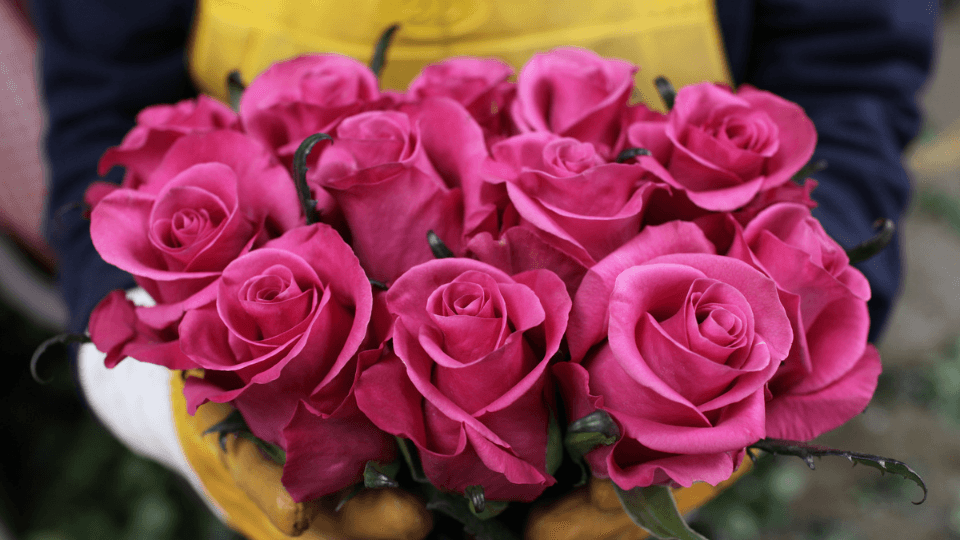
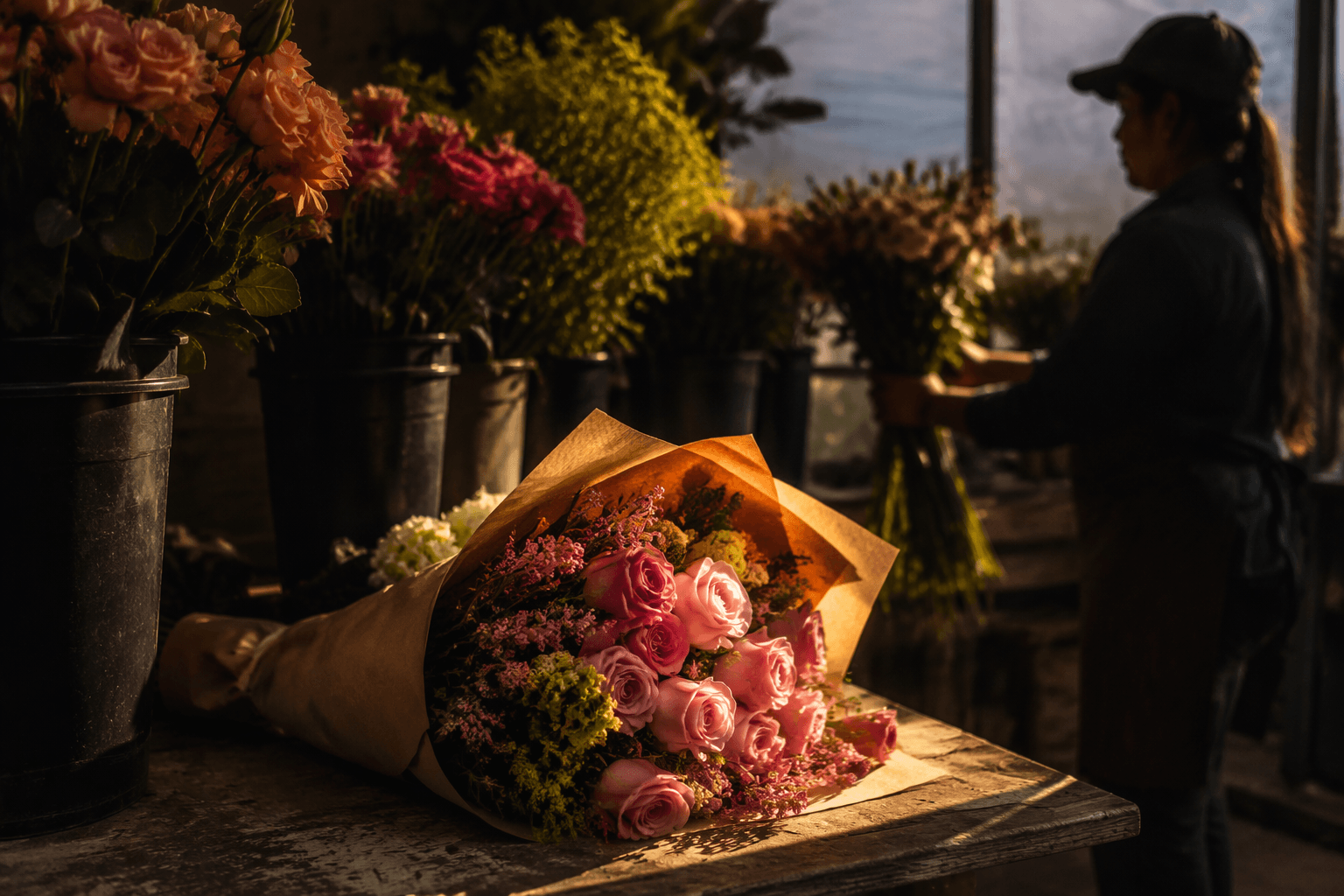
A Mother’s Day bouquet looks simple until you ask who grew it, who packed it, and whether the people behind the stems were treated fairly. Fair Trade Certified flowers add those answers to the gift itself, which is why the same arrangement can feel more thoughtful when it comes with a real certification and a real farm story.
Why the same bouquet means more with a fair-trade label
The most persuasive upgrade is not color or size, but provenance. Fair Trade Certified says fair-trade sourcing can help businesses “solidify your supply chain resiliency,” and its floral materials connect the category to worker welfare, gender equity, environment and education. That gives a bouquet more than decorative value. It becomes a small, visible decision about how flowers are grown, paid for and moved to market.
A generic imported bouquet can still be lovely, but it rarely tells you anything about the farm or the people who cut the stems. A fair-trade bouquet does. It says the purchase was made with the supply chain in mind, not just the vase on the table, and that matters on a holiday built around gratitude.
The farm story behind the flowers
One of the clearest examples is Florecal, a Fair Trade Certified rose farm and processing center in the Ecuadorian Andes, 9,280 feet above sea level. The farm is in Cayambe, Ecuador, and it grows roses, garden roses and garden spray roses across more than 150 varieties. Florecal says it chooses colors and varieties according to seasonal trends, which gives the bouquet a more human scale than a mass-market bundle pulled from a warehouse.
That specificity changes how the gift reads. Instead of anonymous stems, the flowers come from a named place with a named crop mix and a defined workforce behind them. For a Mother’s Day shopper, that detail is the luxury move. It turns the bouquet into an object with texture, not just volume.
What fair trade changes for workers and growers
The ethical case is not abstract. The Fairtrade Foundation said 96% of UK adults were unaware that most Mother’s Day flowers come from East Africa, where those blooms have been linked to low pay and harsh conditions for workers. Fairtrade International says flower production in many countries carries risks for workers, which is why the label is not just about a prettier arrangement, but about the conditions that make that arrangement possible.
Pricing matters too. Fairtrade has said flower-worker wage increases must be matched with higher prices, a reminder that better labor standards do not appear by magic at the checkout counter. If you want the bouquet to support better conditions, the price has to reflect the farm economics behind it. That is the real distinction between a feel-good purchase and a responsible one.
There is also broader market context. Fairtrade’s 2023 study on flower workers and market access in East Africa, published in February 2023, points to the sector’s labor and market-access challenges beyond one farm or one country. The lesson for shoppers is useful: the issue is structural, not cosmetic, and certification is one way to make your purchase part of the solution.
How to spot a credible certification when you shop
The easiest mistake is to confuse nice branding with verified standards. Some flower companies use social-responsibility language liberally, and Nevado Roses’ certifications page describes the company as a pioneer in Ecuador in environmental care, occupational safety and health, social responsibility projects and the good treatment of workers. Those are promising claims, but the shopper still needs a recognizable certification mark, not just polished copy.
Look for a named certifier and a seal that points to actual standards. Fair Trade USA says its certification seal signifies products made according to stringent fair trade standards, and the organization was founded in 1998. That kind of identifier matters because it gives you something concrete to check before you buy, especially when a florist or grocery display is trying to make every bouquet sound ethical.
A practical Mother’s Day approach is simple:
- Choose the bouquet with the certification seal visible on the sleeve, tag or product card.
- Ask where the flowers were grown, and whether the farm is certified.
- Favor bouquets that name the farm or origin, such as Florecal in Cayambe, Ecuador.
- If you want the gift to feel finished, pair the flowers with a handwritten note or a local brunch reservation instead of piling on more stuff.
That last step keeps the gesture elegant. A fair-trade bouquet already carries more meaning because it acknowledges the workers and growers behind it. Add a thoughtful note, and the gift becomes less about filling a table and more about honoring the people the holiday is meant to celebrate.
This article was produced by Prism’s automated news system from verified source data, official records, and press releases, then run through automated quality and moderation checks before publishing. The system is built and supervised by the people who set the standards it runs under. Read our full AI policy.
Did this article answer your question?