Moms want handwritten cards, flowers and stress-free Mother’s Day plans
A handwritten card beat pricier gifts in a survey of 1,086 adults, even as U.S. Mother’s Day spending hit a record $38 billion.
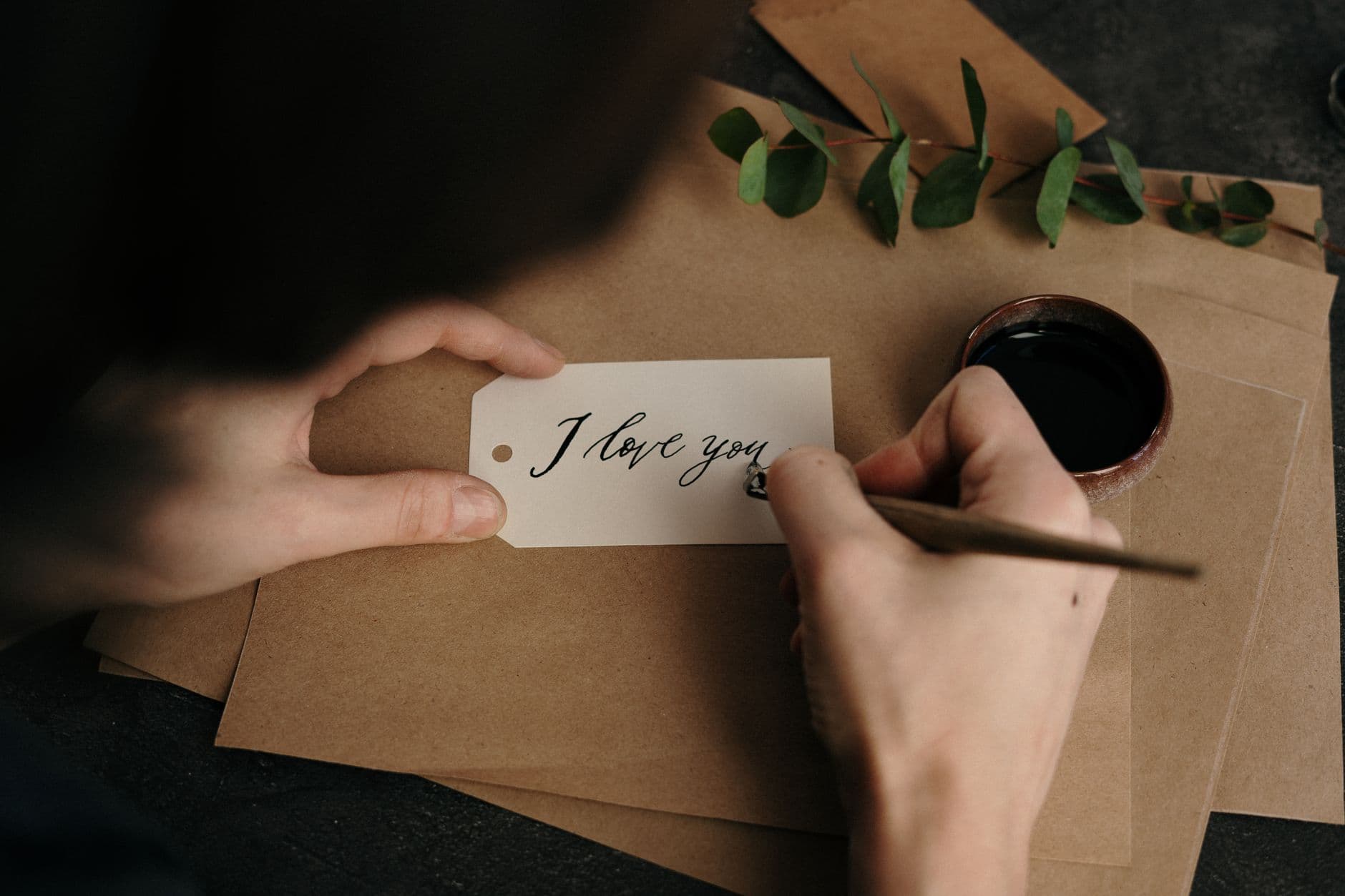
The most wanted Mother’s Day gift was not a box tied with ribbon or a polished splurge. It was a handwritten card, chosen by 50% of moms in a Drive Research survey of 1,086 U.S. adults, ahead of gift cards at 48% and flowers at 40%. The same survey showed that 52% of moms wanted to celebrate by going out to eat, 44% wanted an experience and 48% still wanted gifts, a reminder that the best Mother’s Day gestures were often the simplest ones.
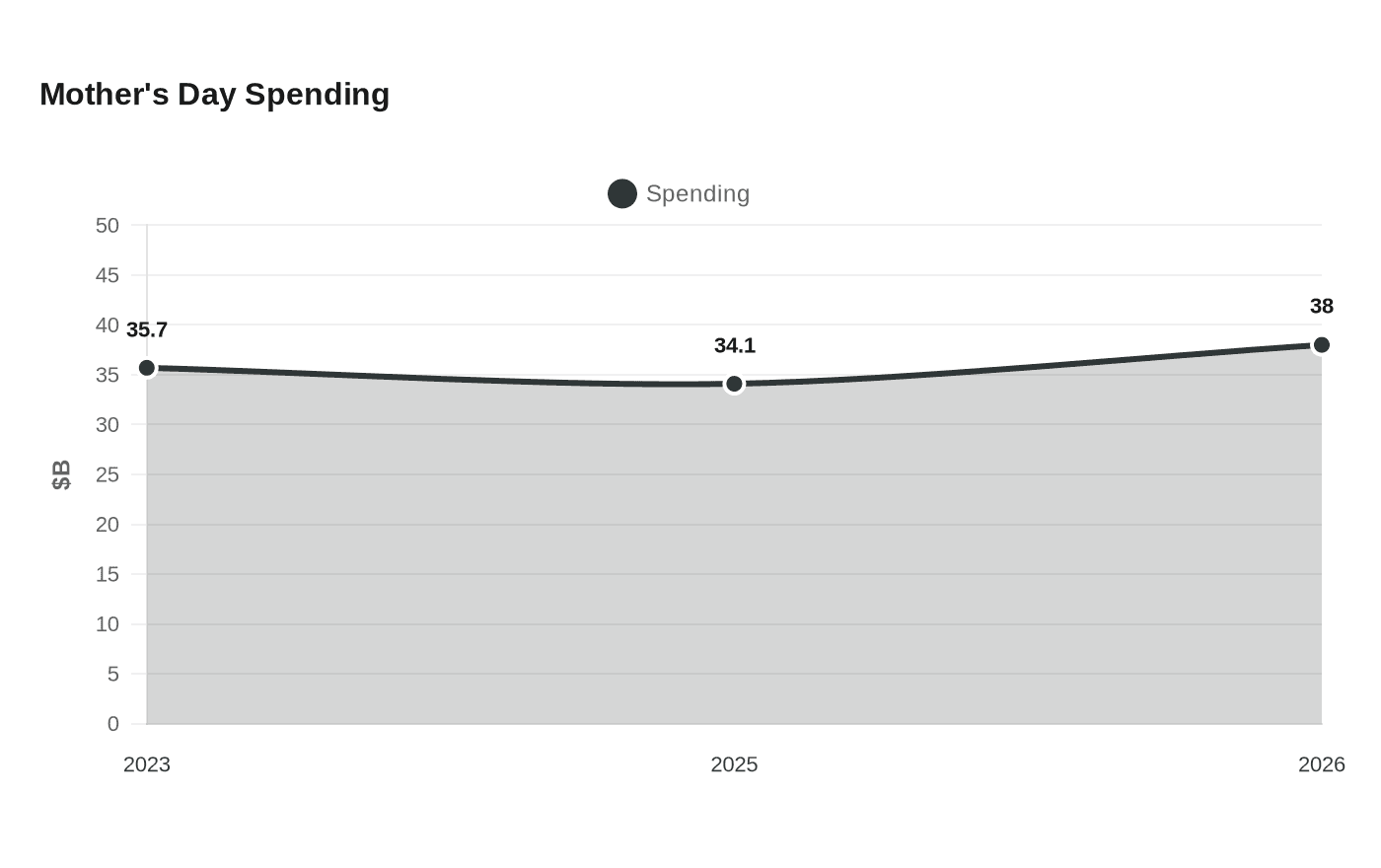
The gap between what moms wanted and what retailers pushed was clear in the spending numbers. The National Retail Federation and Prosper Insights & Analytics said Americans were expected to spend a record $38 billion on Mother’s Day in 2026, up from $34.1 billion in 2025 and above the previous high of $35.7 billion in 2023. Jewelry led spending at $7.5 billion, followed by special outings at $6.4 billion, electronics at $4.4 billion, flowers at $3.2 billion and greeting cards at $1.3 billion. In other words, the market kept rewarding big-ticket categories even as consumers said they wanted something more personal.

That preference for intimacy ran through the rest of the Drive Research data. An overwhelming 89% of moms wanted to spend the day with their children, 54% wanted time with their spouse and 20% wanted some time alone. Nearly one-third, or 31%, said they coordinated their own Mother’s Day plans, which helps explain why the holiday so often feels less like a gift and more like another item on a family to-do list.
The most thoughtful answer is usually the least produced. A card with a real note can do more than a generic luxury box because it feels specific, immediate and unmistakably personal. Flowers still matter for the same reason: they arrive beautifully, carry no logistical burden and signal care without asking mom to manage a reservation, a schedule or a stack of errands.
Mother’s Day in the United States has carried that same emotional logic since Anna Jarvis first marked it in 1908, before it became an official holiday in 1914. Celebrated on the second Sunday in May, it continues to reward gifts that feel calm, considered and easy to receive. The money may keep rising, but the clearest signal from moms is still old-fashioned: fewer theatrics, more meaning.
This article was produced by Prism’s automated news system from verified source data, official records, and press releases, then run through automated quality and moderation checks before publishing. The system is built and supervised by the people who set the standards it runs under. Read our full AI policy.
Did this article answer your question?