Sentimental Mother’s Day gifts that turn memories into keepsakes
The best Mother’s Day gifts do more than look thoughtful: they make family history tangible. Personalized pieces and practical keepsakes can say exactly what flowers can’t.
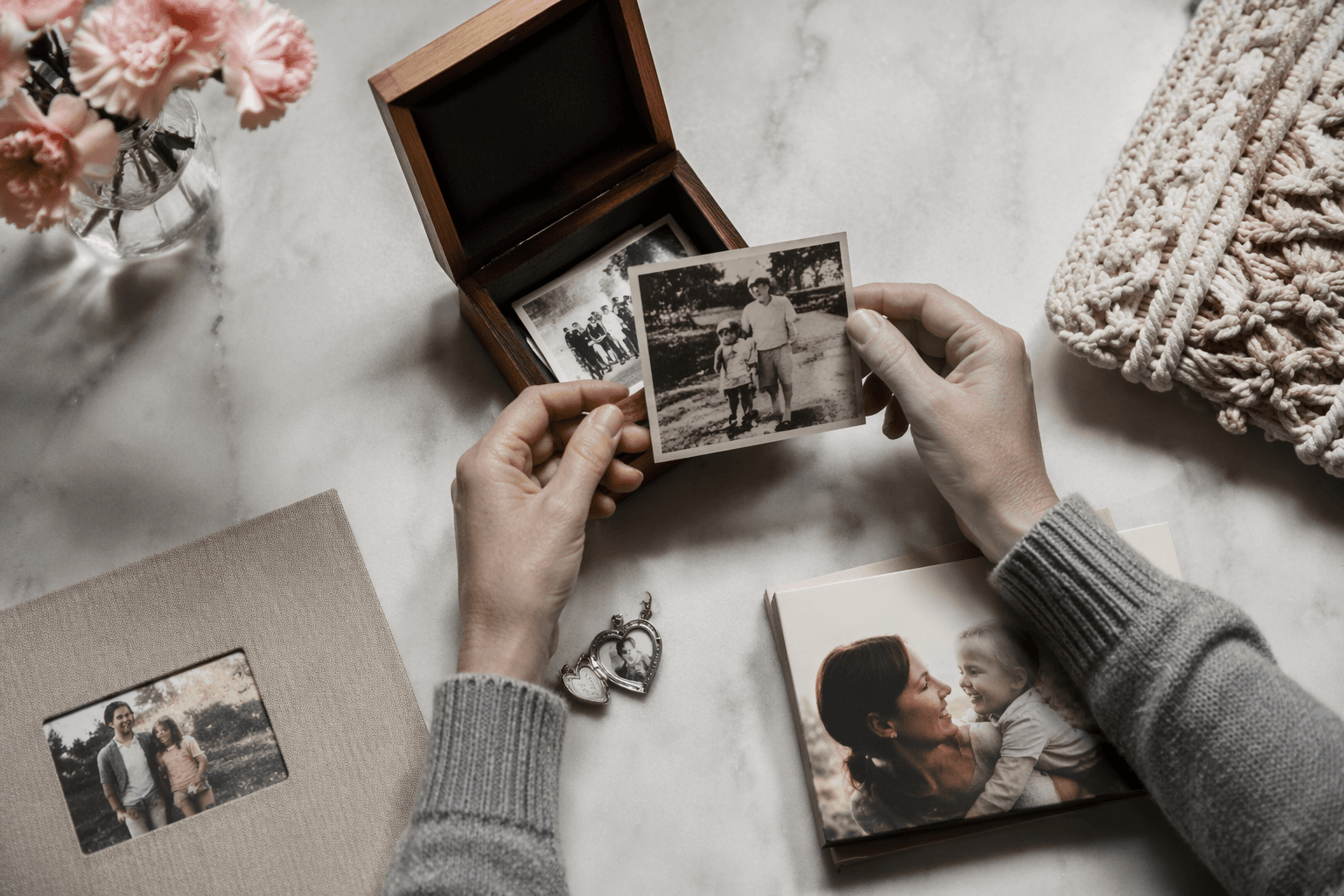
Sentimental gifts work best when they carry a specific memory, not just a vague feeling. Mother’s Day in the United States falls on the second Sunday in May, which lands on Sunday, May 10, 2026, and the scale of the holiday is no small thing: the National Retail Federation expects spending to hit a record $38 billion, with an average of $284.25 per person. That makes it one of the easiest high-stakes shopping decisions of the spring, especially when the gift itself can do the talking.
Why personalization matters
A 2024 University of Bath-led study found that personalized gifts can strengthen emotional connection and self-esteem, while also creating what the researchers called “vicarious pride.” That is exactly why the most memorable Mother’s Day gifts usually feel specific to one relationship: a child’s birthdate, a grandchild’s name, a home address, a wedding year, or a phrase that only two people would recognize. The gift becomes more than an object once it is tied to a story she already knows by heart.
Custom jewelry that carries a date or name
Custom jewelry remains one of the clearest ways to turn memory into something wearable. A necklace stamped with children’s initials, a bracelet engraved with a wedding date, or a ring set with birthstones can all hold meaning without turning sentimental into syrupy. The key is restraint: one clean engraving or one carefully chosen stone often feels more luxurious than piling on every family detail at once.
This is the category to choose when the message needs to be intimate but understated. Jewelry works especially well for mothers and grandmothers who wear the same pieces often, because it lets the memory travel with them instead of living in a drawer. If the relationship is marked by a single milestone, such as a first child, a new grandchild, or a 25th anniversary, a small piece can carry a lot of emotional weight.
Keepsakes built around family stories
Keepsakes are strongest when they preserve a moment she might otherwise forget in the daily rush. Framed prints with coordinates, recipe boxes with a handwritten family dish, photo books built around one trip, or custom ornaments that mark a move, a new home, or a first grandchild all translate experience into something she can hold. The most successful versions do not try to be precious for the sake of it; they anchor a memory in a format that feels natural to keep close.
Choose this kind of gift when the relationship has a defined chapter attached to it. A family story, a milestone year, or a shared tradition gives the gift a backbone, which keeps it from feeling generic. If the memory is visual, choose a frame or album. If it is verbal or recipe-based, choose paper, linen, or a box she can use again and again.
Everyday items with emotional weight
Some of the best sentimental gifts are not display pieces at all. A monogrammed tote, a favorite mug with a private message, a throw blanket embroidered with initials, or a beautiful catchall that lives on her dresser can feel more luxurious than a decorative object because they fold memory into routine. That everyday usefulness matters: the item gets touched, seen, and relied on, so the sentiment stays active rather than symbolic.
This is the right lane when you want the gift to feel generous without being formal. Everyday objects are especially strong for mothers who prefer practical things, because they satisfy the need for usefulness while still signaling care. A well-made version of something she already reaches for can feel more thoughtful than a large, elaborate gesture she has to find space for.
Gifts that honor grandkids, distance, and inherited traditions
The most meaningful sentimental gifts often say something about the family structure itself. For new grandmothers, that may mean a keepsake built around a grandchild’s name or birth details. For long-distance families, it may be a custom map, a photo object, or a piece that marks the distance between homes. For families with inherited traditions, it may be a recipe journal, a piece of jewelry passed down with a fresh engraving, or a storage object designed to protect letters, recipes, or old photographs.
This is where the gift moves beyond “thinking of you” and into “I see the shape of our relationship.” A present that reflects how the family actually lives, whether through distance, lineage, or ritual, feels more precise than something broadly sentimental. That precision is what keeps the gift from sounding cheesy.
How to choose between a keepsake and an everyday object
Use a keepsake when the memory itself is the main event. Pick an everyday object when you want the emotion to show up in ordinary life, not just on a shelf. If the story is tied to one date, one place, or one person, personalization usually does the most work. If the feeling is broader, such as comfort, gratitude, or daily appreciation, a practical object with a discreet detail often lands better.
That distinction matters because the best Mother’s Day gift is not always the most elaborate one. With Mother’s Day spending expected to be so high this year, the smartest choice is often the one that feels tailored without looking try-hard. A gift that turns a family memory into something she can use, wear, or keep close will usually outlast the holiday itself.
The holiday’s history still explains the appeal
Mother’s Day began with Anna Jarvis, who is generally recognized as the founder of the modern U.S. holiday. The first formal Mother’s Day church service was held in 1908, and President Woodrow Wilson made it a national holiday in 1914. Jarvis later opposed the holiday’s commercialization, which makes the current appetite for gifts that feel personal rather than mass-produced feel almost like a return to the holiday’s original spirit.
That history helps explain why a well-chosen sentimental gift still resonates. A present that captures a family date, a name, a shared ritual, or a private joke does what the holiday was meant to do: it makes gratitude visible.
This article was produced by Prism’s automated news system from verified source data, official records, and press releases, then run through automated quality and moderation checks before publishing. The system is built and supervised by the people who set the standards it runs under. Read our full AI policy.
Know something we missed? Have a correction or additional information?
Submit a Tip