What moms actually want for Mother’s Day, according to AI and shopping data
Moms are asking for less clutter and more care. AI tools and shopping data point to the same answer: rest, time together, and gifts that feel personal.

The new Mother’s Day brief
The smartest Mother’s Day gifts are starting to look less like objects and more like relief. Across ChatGPT, Gemini, and Claude, the same themes surface again and again: rest, appreciation, shared time, and gifts that feel personally chosen rather than merely purchased.
That instinct fits the money behind the holiday. The National Retail Federation expects Americans to spend a record $38 billion on Mother’s Day this year, with average spending per person also hitting a record $284.25. Even with all the shift toward minimalism and intentional living, 84% of U.S. adults still plan to celebrate, which tells you everything about the emotional pull of the day.
Why the holiday still matters
Mother’s Day has never been only about transactions. The holiday became an official national observance in 1914, after President Woodrow Wilson called on Americans to honor mothers on the second Sunday in May. The first national church service was held on May 10, 1908, and Anna Jarvis is generally recognized as the founder of the legal U.S. holiday.
That history helps explain why the best Mother’s Day gifts still carry meaning beyond their price tag. The ritual is old, but the pressure around it is modern: prove you paid attention, prove you know what kind of day she actually wants, and prove that the gift fits her life instead of your shopping list.
What the shopping data says moms are really after
The retail data lines up neatly with the AI answers. In its 2025 survey, the National Retail Federation found that shoppers were more likely to prioritize gifts that are unique or create a special memory. That is the real shift here: the winning gift is often less about accumulation and more about atmosphere, ease, or a shared moment she can remember.
The spending categories reinforce that same pattern. The NRF projected $3.2 billion on flowers and $1.1 billion on greeting cards, which shows the classics are still very much alive. At the same time, it projected $7 billion on jewelry and $5.9 billion on special outings, a clear sign that a meaningful experience can sit comfortably beside a beautiful object.
The gifts that feel thoughtful, not generic
The most useful way to shop Mother’s Day now is to think in emotions, not just products. If the goal is to make her feel seen, the strongest options usually fall into a few recognizable lanes.
- Flowers, when they are chosen with intent
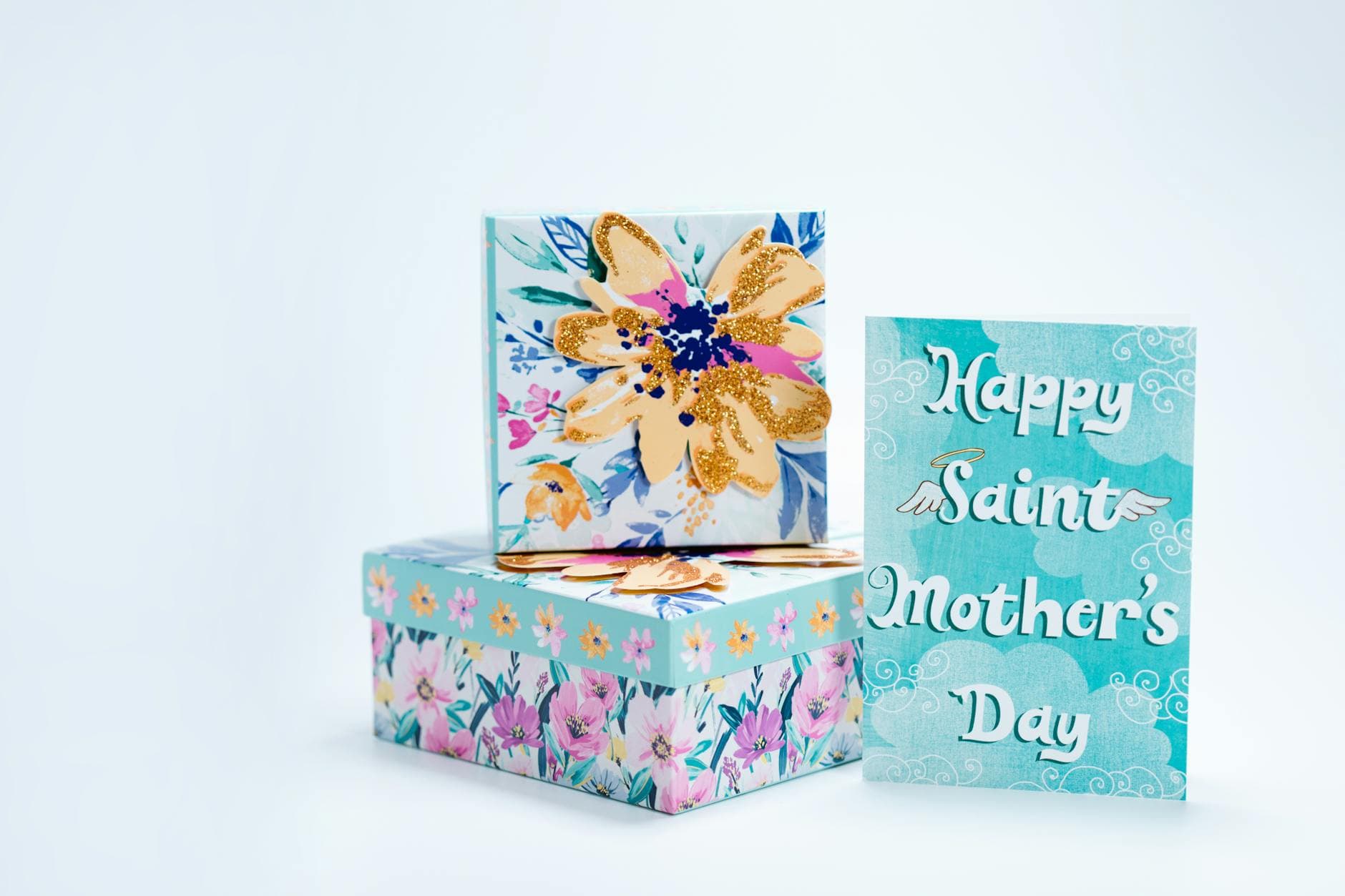
A bouquet remains one of the easiest ways to say thank you without overcomplicating the message. It works best when it reflects her taste, whether that means something bold and sculptural or simple and soft. In a holiday where thoughtful gifts are rising in priority, flowers stay relevant because they are immediate, beautiful, and never demand more storage space.
- Greeting cards that actually say something
The NRF’s spending forecast for greeting cards shows they still matter, and for good reason. A well-written card can do what an expensive object cannot: name the specific things she has done, the specific ways she has held a family together, and the specific memory you want her to keep. A card becomes luxurious when the words are precise.
- Gift cards that are tied to a real plan
A gift card only feels impersonal when it is disconnected from how she lives. Pair it with a reservation, a planned errand-free afternoon, or a service she will genuinely use, and it suddenly becomes a promise of time back. In a Mother’s Day market where rest is the real aspiration, that matters.
- Handmade presents with polish
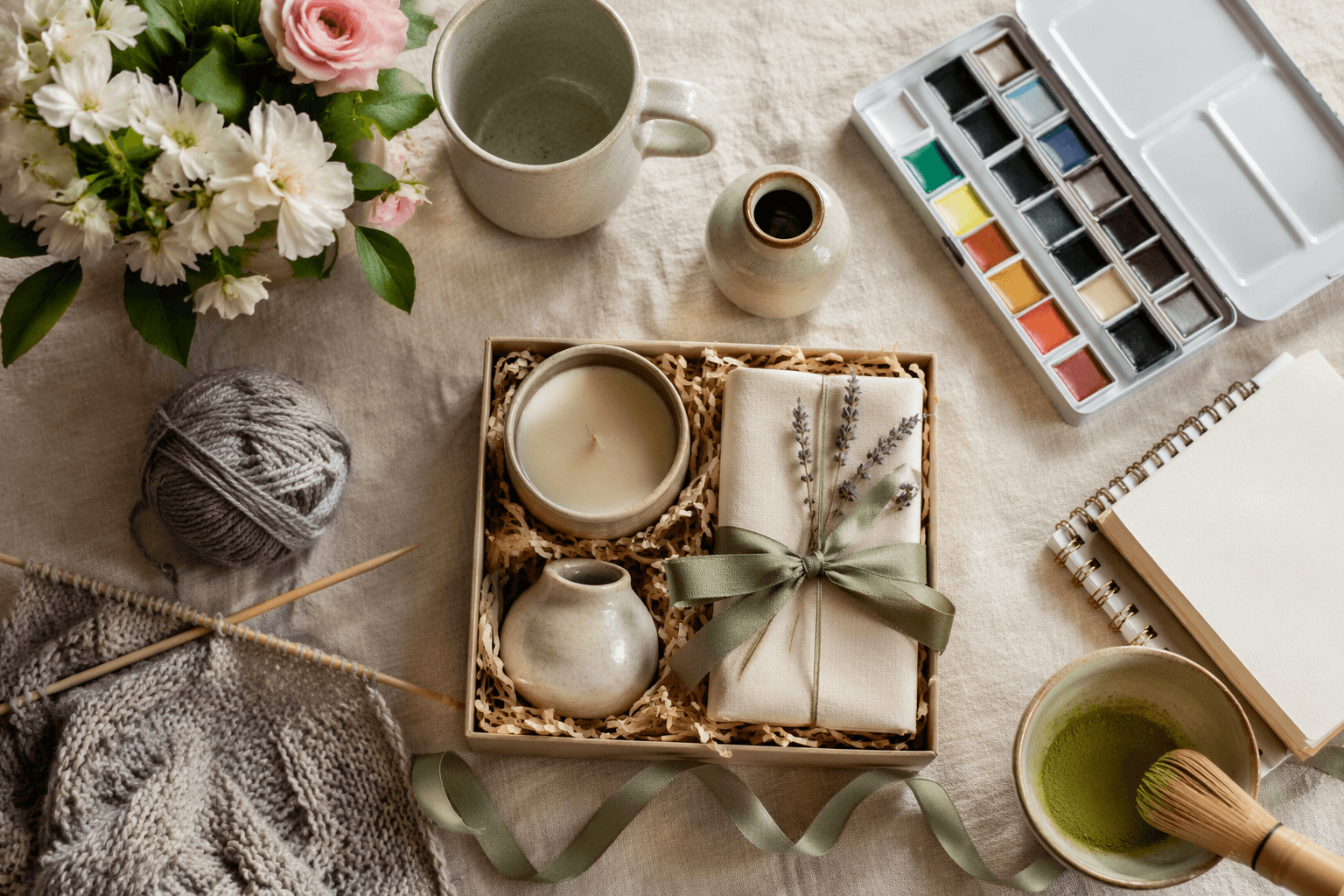
Handmade gifts still land because they carry evidence of effort. The key is presentation: clean wrapping, a clear message, and enough restraint that the gift feels considered rather than improvised. A handmade object can be deeply luxurious when it feels deliberate instead of crafty.
- Personalized keepsakes that become part of daily life
Personalized gifts remain strong because they convert sentiment into something tangible. The best ones are specific to her, not just stamped with a name, and they work best when they are meant to be used or displayed, not tucked away. That is where personalization earns its place: it turns a standard gift into her gift.
- Jewelry that is chosen for memory, not just sparkle
Jewelry still commands the biggest spending bucket after outings because it has staying power. The pieces that work best for Mother’s Day are often the ones that can be worn often and attached to a story, whether that story is a milestone, a family moment, or a quiet thank-you she can carry with her. The price is only part of the value; the emotional durability is what makes it worth giving.
How Hallmark and the retailers are reading the moment
Even the broader retail messaging is moving in the same direction. Hallmark’s 2025 Mother’s Day collection leaned into meaningful ways to celebrate motherhood and spending time together, not just buying another product. That framing matters because it echoes what shoppers are already signaling: the holiday is increasingly about closeness, not clutter.
For the reader choosing between a bigger purchase and a better plan, the answer is often the same. Book the outing if she wants company, buy the flowers if she wants beauty, choose the keepsake if she wants something to hold onto, and write the card as if it will be saved. The most luxurious Mother’s Day gift is still the one that makes her feel rested, remembered, and fully considered.
This article was produced by Prism’s automated news system from verified source data, official records, and press releases, then run through automated quality and moderation checks before publishing. The system is built and supervised by the people who set the standards it runs under. Read our full AI policy.
Did this article answer your question?