Why Mother’s Day flowers are getting more personal this year
Mother’s Day flowers are moving beyond the standard bouquet, with more buyers choosing arrangements that feel tailored, edited, and emotionally specific.

Flowers with a point of view
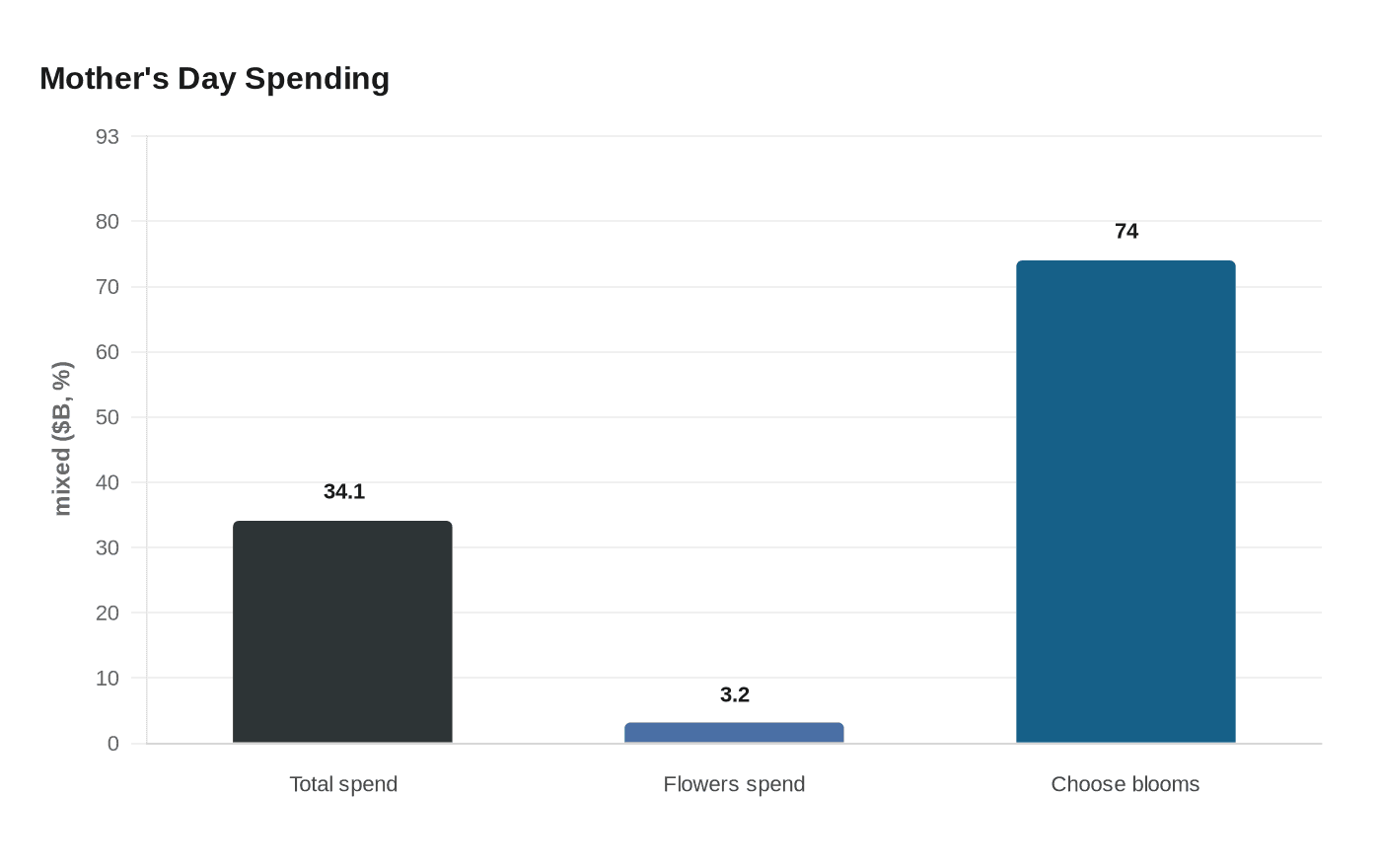
Mother’s Day still belongs to flowers, but the brief has changed. The National Retail Federation expects U.S. consumers to spend $34.1 billion on the holiday this year, with flowers projected to account for $3.2 billion of that total, and 74% of shoppers expected to choose blooms. The deeper shift is that buyers are not just looking for something pretty; many want a gift that feels unique or creates a memory, which is exactly where a thoughtful bouquet can outperform a bigger, pricier one.
That is why the most effective Mother’s Day flowers now feel curated rather than merely full. A standard mixed bouquet can be lovely, but a bouquet with a point of view feels more intimate. The difference comes down to intention: a color palette that mirrors her taste, a shape that suits her home, and a note that makes the flowers feel like they were chosen for one specific person, not the entire holiday aisle.
A holiday built around flowers from the beginning
The emotional weight of flowers at Mother’s Day is not a recent marketing invention. The American observance was created by Anna Jarvis in 1908 and became an official U.S. holiday in 1914, when President Woodrow Wilson proclaimed the first national Mother’s Day on May 9 of that year. Flowers were there at the start, too: Jarvis is associated with sending 500 white carnations to the first formal Mother’s Day service.
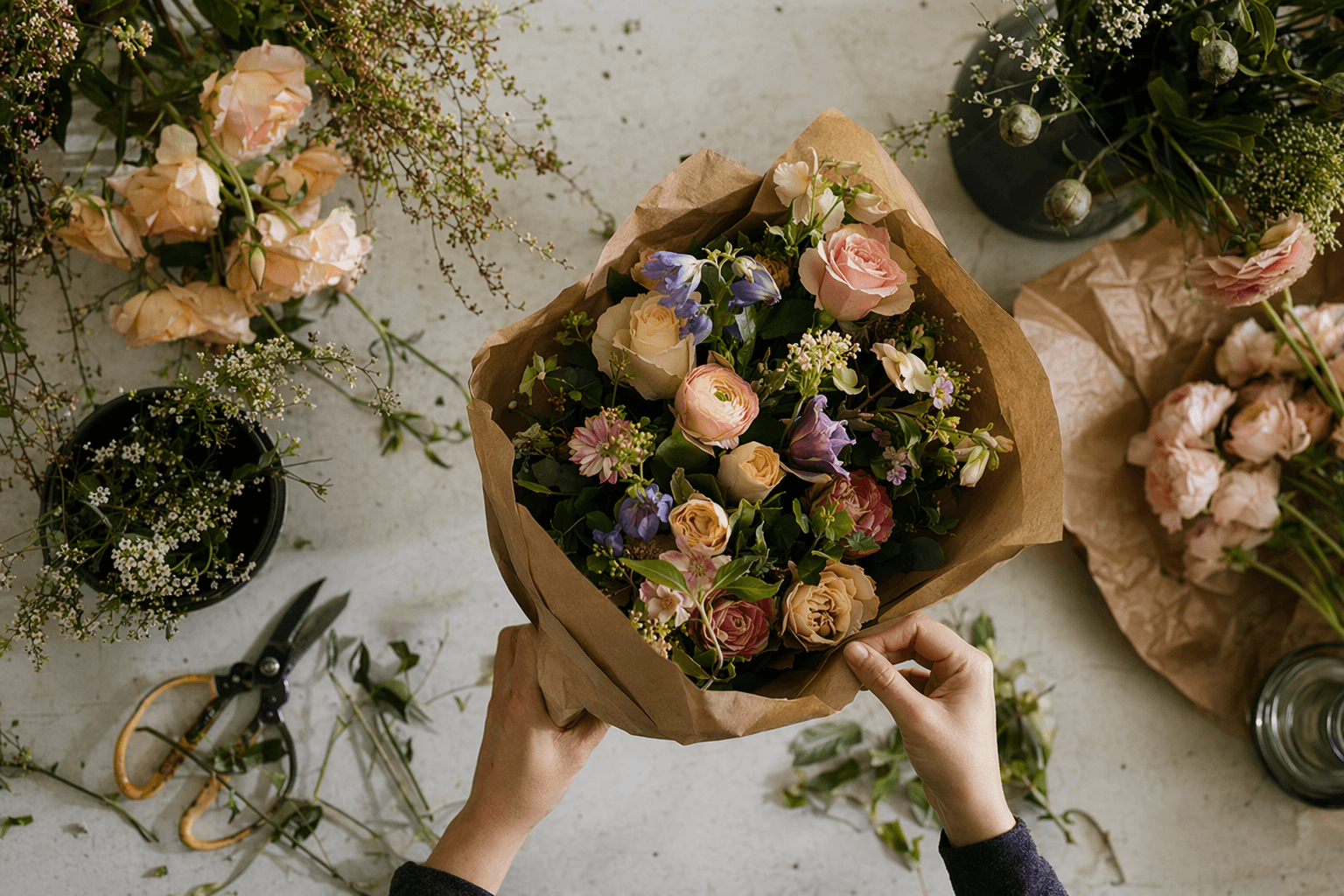
That history matters because carnations, roses, tulips, and whatever comes next are not just seasonal merchandise. They are part of how the holiday has always expressed gratitude. In other words, flowers have lasting cultural resonance on Mother’s Day, which is why florists are now leaning into arrangements that feel less generic and more tailored to the woman receiving them.
What Erica Dias gets right about personal flowers
Erica Dias, who launched Helen’s Florals during the pandemic era, has become part of that movement toward more intentional design. Her work has been shaped by Japanese ikebana principles, which emphasize balance, minimalism, and negative space. That approach gives arrangements room to breathe, and it changes the emotional effect immediately: instead of looking overstuffed, the bouquet looks considered.
That philosophy is especially useful for Mother’s Day because it shifts the conversation from size to meaning. A bouquet can feel luxurious without being maximalist. In fact, a restrained arrangement with strong lines and a clear palette often reads as more sophisticated than one packed with every bloom in the cooler. Dias’s style suggests that the most memorable flowers are the ones that look edited, not indiscriminate.
How to choose flowers that feel like her
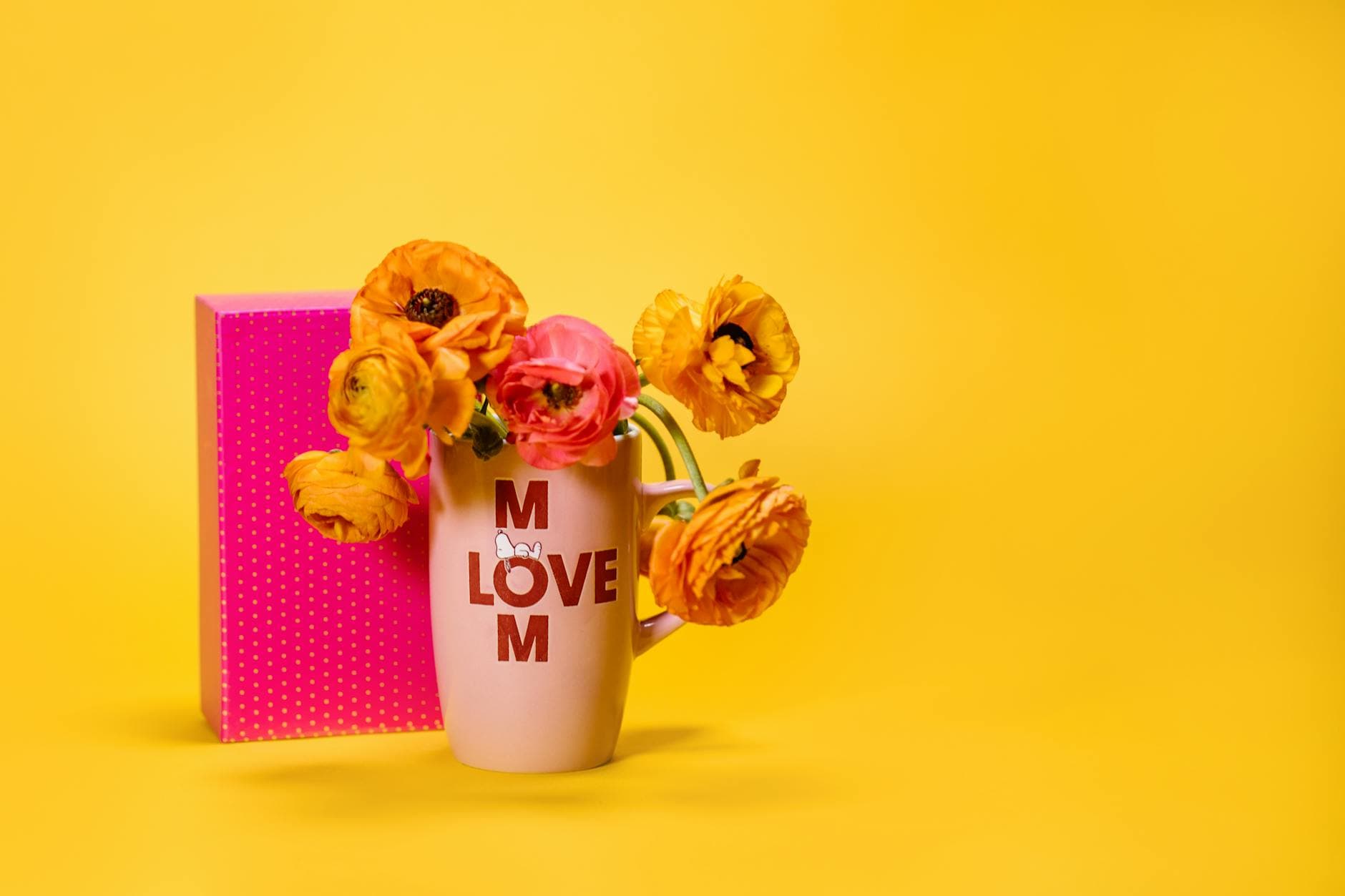
The easiest way to personalize Mother’s Day flowers is to think about her taste the same way you would think about a room she loves or a dress she always reaches for. If she gravitates toward calm interiors, soft neutrals, and clean design, a minimal arrangement with negative space will feel more like her than a dense, candy-colored bouquet. If she lights up around bold color, a color-themed collection is a sharper choice than a random assortment of stems.
- Choose a restrained palette if her style is elegant, modern, or quiet.
- Choose saturated colors if she loves statements, brightness, or a more expressive look.
- Choose an airy composition if she appreciates design details and balance.
- Choose fuller blooms and richer texture if she likes abundance and warmth.
The point is not to assign meanings too rigidly. It is to make the bouquet feel observant. A mother who loves the calm of a linen table, for example, may respond more to a pale, architectural arrangement than to something lush and crowded. Another mother may prefer a palette that feels joyful and unapologetic, where the color does most of the emotional work.
The small details that make a bouquet feel expensive
Industry coverage makes it clear that florists are responding to a demand for thoughtfulness with more personalized arrangements, handwritten notes, custom card add-ons, and color-themed collections. Those details matter because they shift the gift from an object to a gesture. A handwritten note can do more emotional work than another dozen stems, and a custom card add-on can make even a modest bouquet feel finished.
This is where floral gifting starts to overlap with luxury gifting more broadly. Luxury is not always about cost; it is about specificity. A bouquet that reflects her personality, her favorite palette, or the way she likes to decorate her home can feel far more special than a larger arrangement chosen without any reference to her life. The money in the market tells one story, but the most persuasive gift is often the one that feels as if it could only belong to her.
Why this year’s flowers feel different
With 84% of U.S. adults expected to celebrate Mother’s Day, flowers remain one of the holiday’s most reliable choices. What is changing is the expectation around them. Buyers still want the pleasure of a classic gift, but they also want proof that the gift was chosen with care. That is why the most compelling bouquets now lean into personal color stories, cleaner structure, and details that make the arrangement feel singular.
Mother’s Day flowers do not need to be louder to feel more luxurious. They need to be more exact. The bouquet that lasts in memory is the one that looks like it knew who it was for before it ever left the florist’s hands.
Know something we missed? Have a correction or additional information?
Submit a Tip