AI-Driven Personalization Reshapes Retail Strategy for Gifts in 2026
AI personalization shifted from pilot project to retail necessity in Q2 2026, with domain-specific models cutting lead times on engraved and monogrammed gifts.
Personalization stopped being a competitive edge for retailers in early 2026 and became table stakes. What shifted the calculus was not a single platform or product launch but a wave of domain-specific AI deployments that moved far beyond generic recommendation engines: fit-prediction models in fashion, product-matching algorithms in beauty, and demand-forecasting tools in grocery retail. Each solved a vertical problem precisely, and the cumulative effect on giftable products was concrete, measurable, and fast.
By March 2026, early-stage chatbot implementations had given way to more sophisticated demand-side applications, including predictive inventory management, dynamic pricing engines, and personalized product discovery powered by large language models and computer vision. Retailers were no longer positioning AI as a customer service add-on. The ability to predict what individual customers will buy, when they will buy it, and at what price point translates directly to reduced markdowns, lower carrying costs, and improved cash conversion cycles.
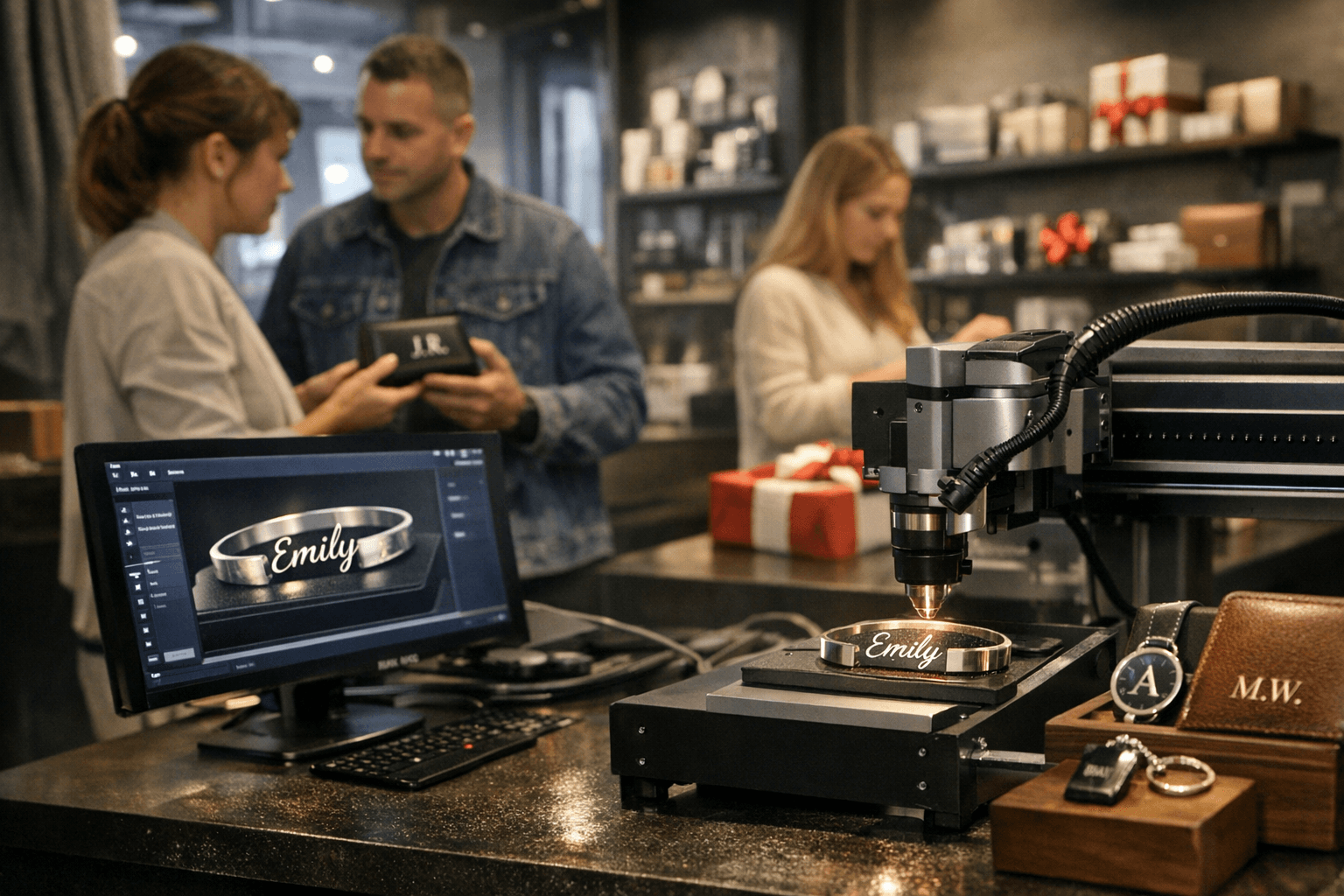
For the personalized gifts category specifically, the supply chain story ran parallel. Nearshoring initiatives and the build-out of regional fulfillment hubs brought production physically closer to demand, which mattered most for engraved and monogrammed items where customization had historically extended lead times by days. Local micro-fulfillment hubs located within 30 to 50 miles of major metro areas, combined with automated printing rooms using robotic arms for engraving and packaging, allowed thermal and laser systems to imprint personalization in minutes rather than hours. The result was a category that could, for the first time at scale, promise fast delivery on genuinely customized products without routing everything through a single centralized facility.
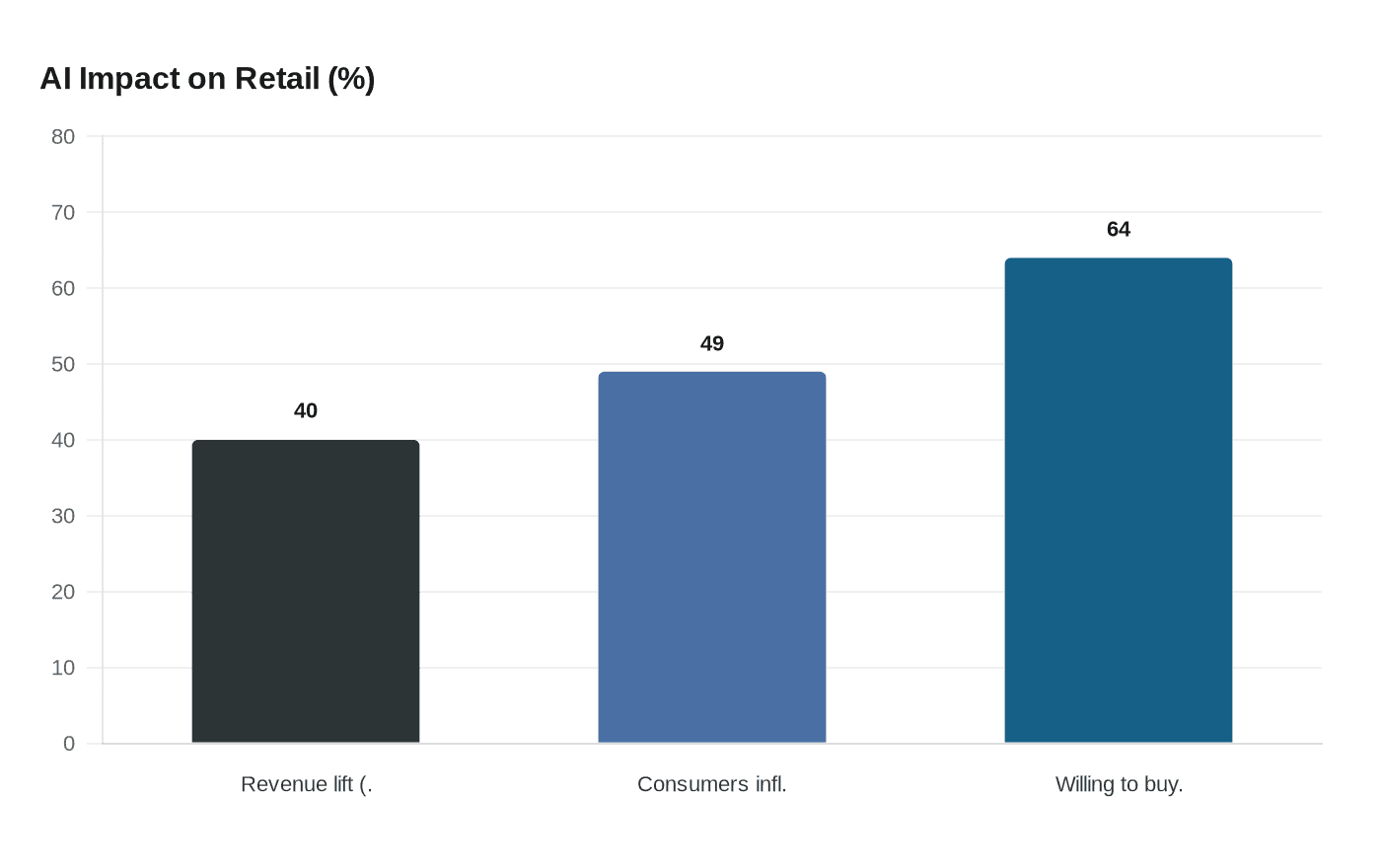
The revenue argument for personalization at the retail level was not theoretical. Retailers leading in personalization achieved up to 40 percent higher revenue, while 49 percent of Americans reported that AI recommendations affected their purchases and 64 percent said they were willing to buy products suggested by generative AI.
Creator commerce added a third layer to this shift. Micro-influencers, operating with smaller but more engaged audiences than their celebrity counterparts, became a meaningful discovery channel for personalized gift ideas in a way that broad-market advertising never quite managed. The intimacy of a 15,000-follower account recommending a custom jewelry piece or an engraved keepsake carried trust that scaled ad budgets could not replicate. Influencer gifting platforms in 2026 combined predictive gifting suggestions with automated global shipping, notable for end-to-end compliance tracking and integration with Instagram and TikTok commerce, making them particularly effective for direct-to-consumer brands in beauty and lifestyle categories.
The convergence of smarter AI, regionalized production, and maturing creator channels means personalized gifts stopped being a niche gifting segment dependent on long lead times and lucky guesswork. The brands that move fastest in Q2 2026 will be those treating personalization not as a feature but as a supply chain discipline.
This article was produced by Prism’s automated news system from verified source data, official records, and press releases, then run through automated quality and moderation checks before publishing. The system is built and supervised by the people who set the standards it runs under. Read our full AI policy.
Did this article answer your question?