Best Buy, Gap and Dick’s use AI to personalize shopping experiences
Best Buy, Gap and Dick’s are turning AI into a shopping assistant, pushing personalization from novelty to the retail default.

Best Buy, Gap and Dick’s Sporting Goods are no longer treating AI as a side project. Each company talked up its personalization work on first-quarter earnings calls in early June, signaling that the technology now sits inside core retail strategy, not just in a pilot lab. For gift shoppers, that shift matters because the best retail AI is starting to behave less like a search bar and more like a store associate who already knows the recipient.
Best Buy, the world’s largest specialty consumer electronics retailer, has already said it is using generative AI with Google Cloud and Accenture to deliver personalized customer support experiences. That is the kind of move that can matter when the gift is a TV, earbuds or a laptop accessory, because electronics buying is packed with small decisions and jargon that can slow a purchase down. The point is not just faster service. It is service that feels tailored enough to make a shopper confident about the choice before the box even ships.
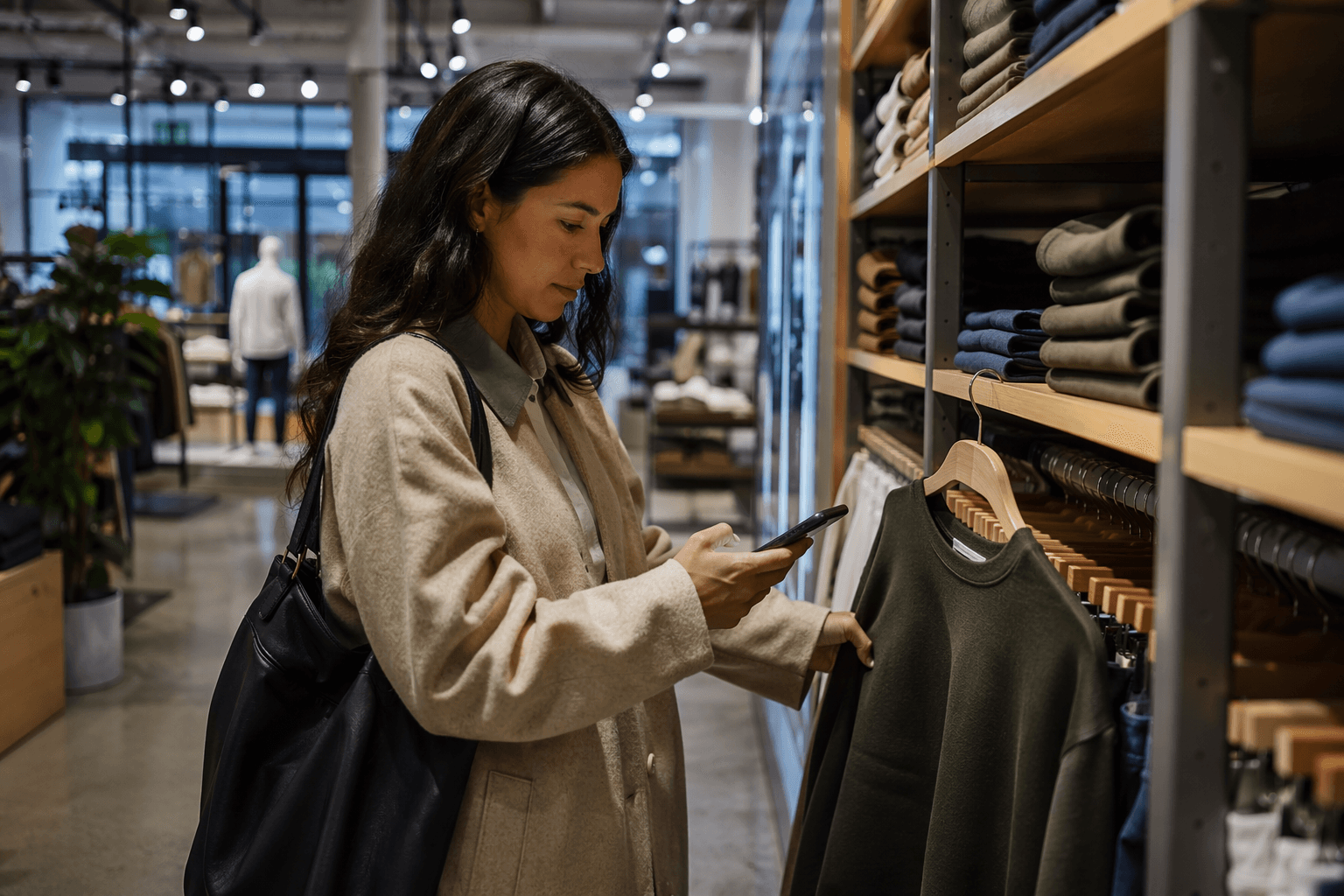
Gap Inc. has taken a similar tack across its portfolio, which includes Old Navy, Gap, Banana Republic and Athleta. On March 24, 2026, the company said its new Office of AI would introduce technologies designed to help customers find the right fit with confidence and make checkout seamless across digital and AI-powered experiences. Its investor materials also say the work with Google Cloud is meant to deliver hyper-personalized shopping, smarter recommendations and smoother engagement at scale. That is especially practical in apparel, where fit is often the difference between a thoughtful gift and a return label.
DICK’S Sporting Goods is pushing the idea even further into conversation. On May 22, 2026, the company launched Coach by DICK’S, an agentic AI-powered conversational experience built to offer product recommendations and training tips tailored to an athlete’s sport, needs and proficiency level. The chain, founded in 1948, is using the tool to speak to shoppers at every stage, from beginners to people shopping performance gear or tailgate-ready extras. That makes it one of the clearest examples of AI as a gift guide in real time, not just a merchandising filter.
The larger retail bet is easy to see: better personalization should improve customer experience, sharpen decision-making and reduce the friction that kills conversions. The merchants that win are the ones that can make AI feel useful in the moments that matter, when a shopper needs the right gift, the right size or the right support fast.
This article was produced by Prism’s automated news system from verified source data, official records, and press releases, then run through automated quality and moderation checks before publishing. The system is built and supervised by the people who set the standards it runs under. Read our full AI policy.
Did this article answer your question?