Charms return as story-driven personalized gifts amid soaring gold prices
With gold above $4,000 an ounce, charms are the rare gift that feels personal, story-driven, and easier to build around one meaningful detail.
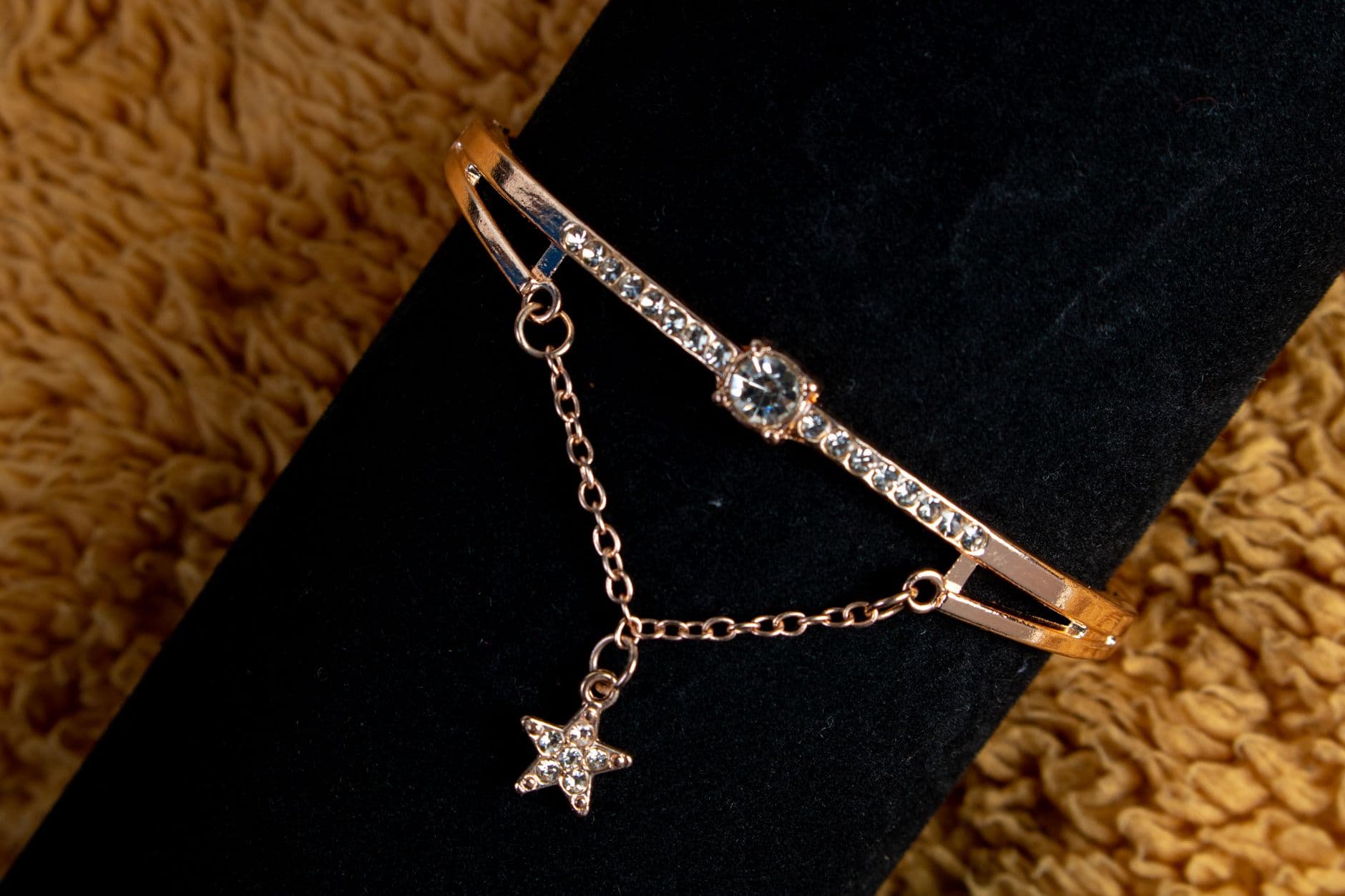
Gold hit $4,032.06 an ounce on July 14, 2026. A single pendant can carry a date, a place, a nickname, or a family reference without asking you to buy a heavy gold piece that feels out of reach. Charms also move easily between necklaces, bracelets, and even earrings, which makes them one of the cleanest ways to build a gift around a person instead of a price tag.
Why charms feel practical again
The price pressure is real. Once a precious metal clears that line, even a simple chain can start to feel like a major decision. Charms solve for that by letting you buy a small object with emotional weight rather than paying for metal volume.
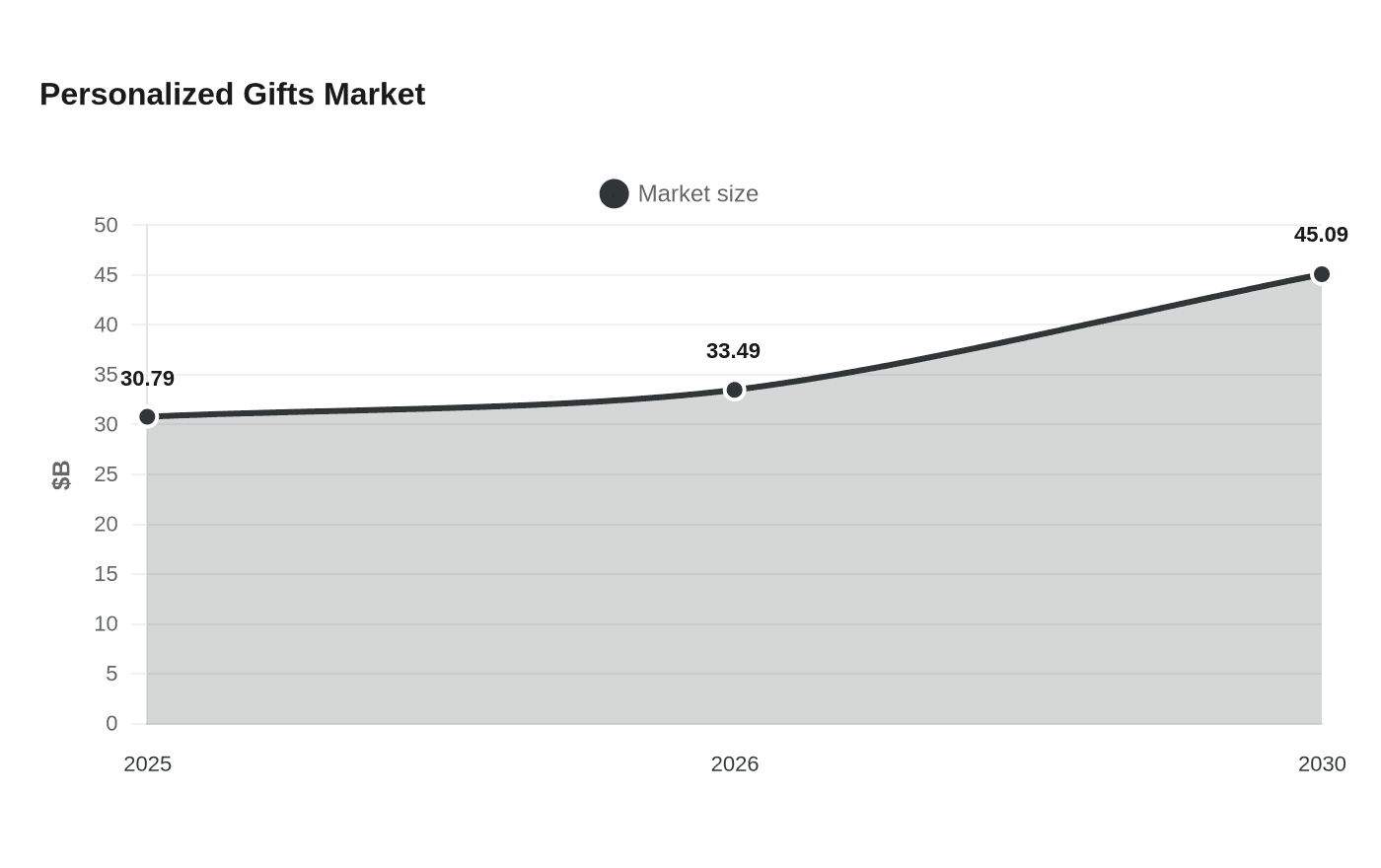
The market is telling the same story. The Business Research Company puts the global personalized gifts market at $30.79 billion in 2025 and $33.49 billion in 2026, with growth to $45.09 billion by 2030. Personalized jewelry is growing even faster in some forecasts, with one 2026 estimate at $56.87 billion in 2026 and $118.07 billion by 2035. Theo Grace says 72.8% of consumers buy jewelry as a meaningful gift. The category keeps moving toward sentiment, customization, and pieces that can be worn daily instead of stored away.
Build around a person, not a trend
The best charm gifts do one thing especially well: they pin a memory to metal. A graduation date, a wedding month, a first apartment address, or the year someone became a parent gives the piece a reason to exist.
For family gifts, look to engraving and inscriptions rather than generic sparkle. Royal Collection Trust records show Queen Victoria’s nineteenth-century charm bracelet held sixteen oval and heart-shaped lockets, some engraved and some inscribed, and another gold bracelet dated November 23, 1839 carries a V monogram and date. That is the model worth borrowing today: use initials, dates, or a shared family marker so the charm reads like a keepsake, not a random accessory.
Milestones
Milestone charms are the easiest way to get this right because the story is already built in. A charm that marks a new job, a move, a graduation, or a baby’s birth feels intimate without being overly precious, and the small scale keeps it from becoming the kind of gift people feel pressure to wear only on special occasions. If the person likes subtle jewelry, one charm on a slender chain is enough; if they collect memories, a bracelet can grow one addition at a time.
The clever part is that charms can travel. Because they can attach to necklaces, bracelets, and even earrings, the same gift can start on one piece and later move to another.
Family references
Family references work best when they are specific enough to mean something to the wearer and invisible enough not to feel cheesy to everyone else. A monogram, an anniversary date, or a tiny engraved marker turns a charm into a private shorthand.
If you are giving to a parent, sibling, or grandparent, resist the urge to pile on symbols. One well-chosen charm tied to a shared story usually lands harder than a cluster of unrelated motifs.
Places and passions
Hobbies, destinations, and affiliations are where this category gets especially smart, because you can build a necklace or bracelet around the things a person actually talks about, not the things a gift guide says are popular. A city charm for someone who never stops talking about a trip, a tiny emblem for a sport or club, or a reference to a favorite pursuit gives the piece a clear job.
This is also why charms feel more current than a monogram alone. They can tell a fuller story. One charm can stand for where someone is from, another for what they love, and a third for the people they never want to forget.
The history behind the tiny object
Charms have always been a storytelling format. JCK traces them back to talismans in ancient Egypt, sentimental keepsakes in the Victorian era, and postwar souvenir tokens that let wearers signal hobbies, destinations, and affiliations.
The Victoria and Albert Museum’s jewelry collection holds more than 3,000 jewels spanning ancient times to the present. Queen Victoria’s own pieces include one nineteenth-century charm bracelet with sixteen lockets in oval and heart shapes, while a separate gold bracelet from November 23, 1839 was engraved with a V monogram and date.
The market is big enough to support the sentiment
Pandora shows the modern scale of the category. The company calls itself the world’s largest jewellery brand and reported 32.5 billion Danish kroner in revenue in 2025, with around 2,800 concept stores.
This article was produced by Prism’s automated news system from verified source data, official records, and press releases, then run through automated quality and moderation checks before publishing. The system is built and supervised by the people who set the standards it runs under. Read our full AI policy.
Did this article answer your question?