Checklist for Choosing Long-Lasting Engraved and Monogrammed Gifts
Choose materials and scale first: solid wood, stainless steel, or solid/plated precious metals (with clear plating specs) determine whether an engraving becomes an heirloom or a short-lived keepsake.
An engraved name or monogram should still look crisp a decade from now. These practical, trade-tested rules prioritize material, scale, and the technical details that determine longevity so the gift reads as intentional rather than impulse.
1. Start with the right base material
Choose a base that tolerates wear: solid wood, stainless steel, or solid precious metals are the easiest paths to longevity; plated precious metals can work if paired with good plating specs. Solid wood takes dings gracefully and can be refinished; stainless steel resists corrosion and everyday abrasion; solid gold or silver will hold engraving detail and can be repaired by a jeweler. If you consider plated pieces, plan for future re-plating, the long-term behavior of a plated metal depends entirely on the plating quality.
2. Insist on plating specs for plated metals
When you pick a plated precious metal, ask for the specific plating specs, what metal was used, the plating method, and whether the vendor offers a thickness or durability guarantee. “Quality plating specs” is not marketing jargon; it determines how fast a monogram will wear off on a frequently handled object. If a seller won’t provide basic plating details, treat that as a red flag and favor solid metal options instead.
3. Consider scale before choosing placement or item type
Scale is decisive: a tiny monogram on a small surface will blur over time, while an appropriately sized mark remains legible and elegant. Think in practical terms, jewelry bands need very small, shallow engraving; a leather wallet, stainless steel water bottle, or wooden cutting board allows larger lettering and decorative monograms. Match the size of the letters and ornament to the surface area so the marking isn’t crowded or disproportionately tiny.
4. Match engraving technique to material and intended wear
Different materials take different processes. Solid wood responds well to rotary carving and deep engraving that can be stained for contrast; stainless steel and solid precious metals take laser or hand engraving that retains crisp edges under repeated use. For plated metals, choose shallower marks or enameling approaches because deep cuts risk exposing the base metal; confirming the technique with the maker prevents surprises.
5. Choose fonts and monogram styles with longevity in mind
Simple, well-spaced type holds up far better than ornate scripts on small surfaces. Monograms using clear initials or a single central motif stay readable as pieces age; heavily flourished scripts may become illegible with surface wear. When possible, proof the actual size of the lettering at scale, ask for a mock-up or digital scale reference so you can judge legibility before the tool touches the object.
6. Prioritize placement that avoids friction and exposure
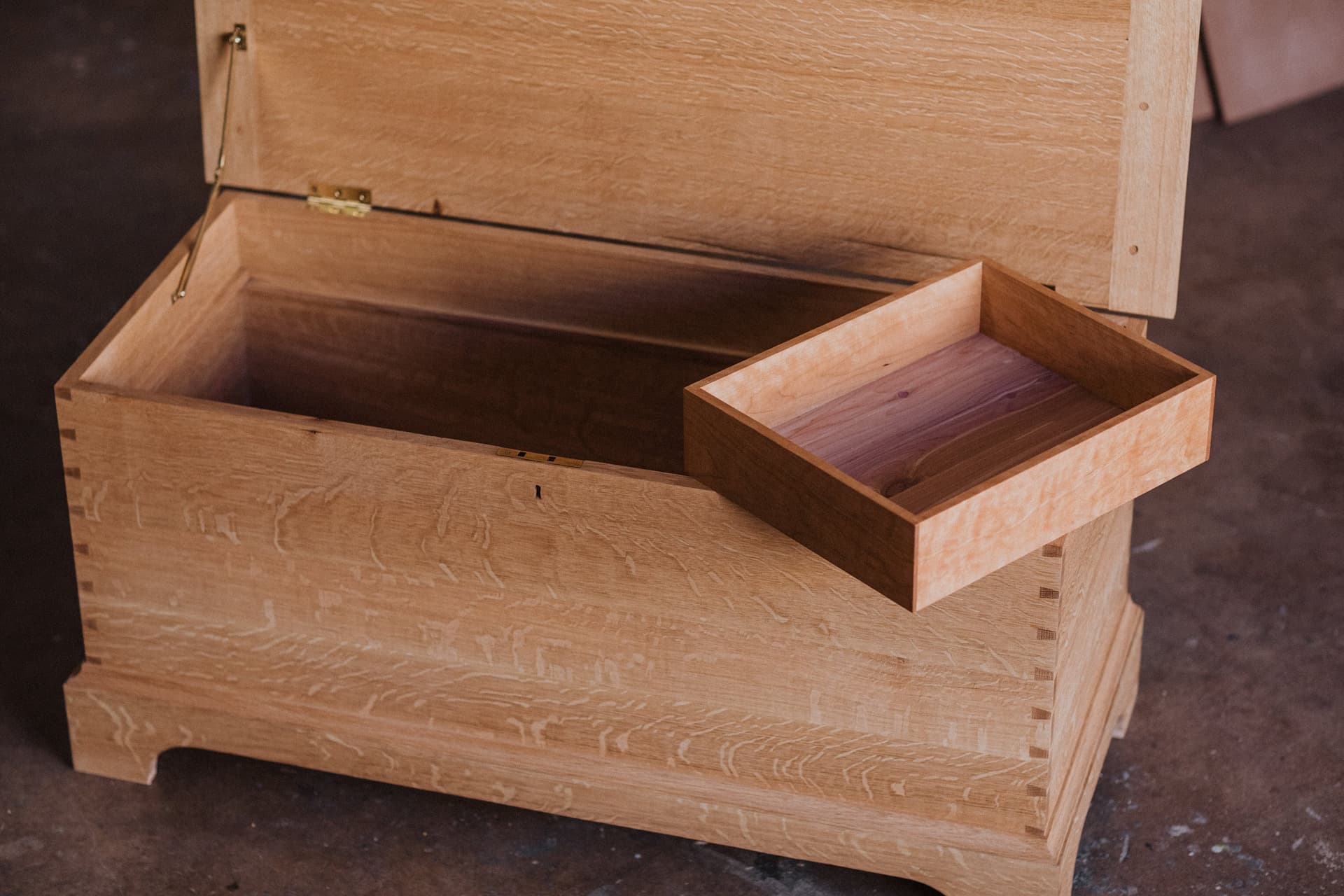
Select locations on the item that see the least abrasion and chemical exposure to preserve engraving. For everyday pieces choose interior or sheltered positions, inside watch backs, the hidden rim of a tray, or a leather item’s flap, rather than edges or high-contact surfaces. For heirloom displays like frames or boxes, place the engraving where it will be visible but not constantly rubbed.

7. Factor in finish and contrast for readable, elegant results
Finish affects how visible an engraving remains: brushed stainless hides fingerprints while polished finishes show engraving more boldly; a stained or oiled wood finish will highlight carved letters if the finish pools in the grooves. With plated metals, a matte finish can disguise surface scratches and keep a monogram readable longer, while high-polish can show every nick. Choose the finish that balances aesthetics with the expected life of the object.
8. Confirm repair, re-plating and refinishing options
A long-lasting engraved gift is also repairable. Ask the maker whether they offer re-plating, re-finishing or re-engraving services and whether those services carry a cost or warranty. For wood pieces, confirm whether the surface can be sanded and refinished without removing or obliterating the mark; for metal pieces, establish if the vendor will reapply plating and match the original specs.
9. Document care and include it with the gift
Include explicit care instructions that reflect the chosen base material and plating details so the recipient can preserve the engraving. A short care card, how to clean stainless steel, when to avoid abrasive cloths on plated pieces, or how to oil and protect solid wood, extends a gift’s usable life and shows that you considered longevity when choosing it. Presentation matters: a well-penned care note elevates a modest purchase into something intentional.
10. Treat presentation as part of the heirloom plan
Packaging and the first impression matter for gifts meant to last. Solid boxes, protective interior linings, and a small maintenance kit (a polishing cloth for metal, a soft brush for wood) protect the item from day one. Presentation that protects and instructs signals that the piece was chosen to be kept, used, and passed on.
Trade-tested instincts: treat plated items as a conscious choice, not a shortcut; size your text to the surface; and always ask straightforward questions about plating specs and repair options before you buy. An engraved gift becomes an heirloom when the maker, the materials, and the care instructions are aligned, choose each deliberately and the monogram will look as thoughtful ten years from now as it does the day you hand it over.
This article was produced by Prism’s automated news system from verified source data, official records, and press releases, then run through automated quality and moderation checks before publishing. The system is built and supervised by the people who set the standards it runs under. Read our full AI policy.
Did this article answer your question?