Corporate gifting shifts to fewer, better gifts, driven by personalization
Personalized corporate gifts are becoming baseline expectation, not bonus fluff. The smartest companies are spending less often, but more deliberately, on gifts people will actually keep.
The new corporate-gifting rule is simple: send fewer gifts, but make them count. What used to be a seasonal pile of branded stuff is turning into a strategy tool, with companies using gifts to reinforce relationships, reward loyalty, and signal taste instead of flooding desks with logo merch. The category is also enormous, with the global corporate gifting market projected to top $1.7 trillion by 2030, which explains why the smartest players are getting choosier, not noisier.
Why personalization now feels like the default, not the upgrade
The pressure to personalize has been building for years. A 2024 Forbes Council piece argued that artificial intelligence was already making corporate gifting more scalable, especially by helping companies handle the messy parts of selection and distribution, and a 2025 Forbes Council piece said data-driven gifting can make gifts more relevant, improve engagement, and strengthen loyalty. That is the real shift here: personalization is no longer a nice touch, it is the mechanism that keeps a gift from feeling like inventory.
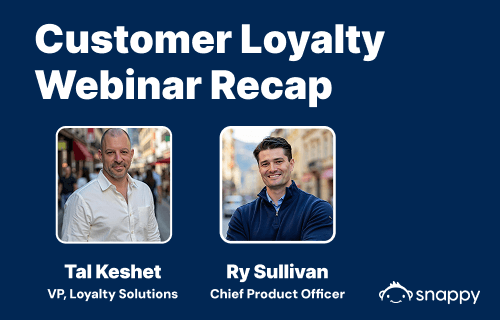
Tal Keshet, Snappy’s vice president of loyalty solutions and strategy, and Jeff Fromm have both framed gifting as part of emotional relationship-building, not transactional marketing. That matters because it changes the question from “What can we send?” to “Who are we trying to matter to?” In practice, that means a thoughtful gift for a board member, a major client, or a long-tenured leader can do more than a pile of generic swag ever could.
What feels premium now, and what still looks cheap
The difference between premium personalization and tacky personalization is surprisingly easy to spot. Premium feels edited, useful, and restrained. Tacky feels like the logo got more attention than the person receiving it. Forbes’ current corporate-gifting coverage is full of examples of what companies are moving away from: branded mugs, generic tech accessories, and gift baskets ordered because they are easy, not because they are memorable.
A better guide is this:
- Premium: a curated choice from a small set of high-quality gifts, with the recipient able to pick what they will actually use.
- Premium: a handwritten note, a clean presentation, and a gift tied to the person’s role or taste.
- Tacky: loud branding, obvious bulk ordering, and customization that feels pasted on after the fact.
- Tacky: “personalization” that still ignores what the recipient likes, wears, reads, or uses.
That approach lines up with what people say they want. In Snappy’s 2025 survey of 1,500 U.S. employees, 70 percent said they had received gifts they did not want, and 58 percent said they wished they had help choosing the right gift. Even more telling, 75 percent of employees said they would love to choose their own gift. The message for brands is blunt: choice now reads as respect.
Who justifies the higher spend
This is where the old “one-size-fits-all holiday budget” breaks down. Business.com found that nearly half of professionals receiving holiday gifts from vendors said the gift influenced whether they would keep working with them, and that companies with fewer than 100 employees were especially likely to be swayed. The same study found the median company spend per gift was just $30, while clients expected gifts worth $100. That gap is the whole story: cheap gifts do not look savvy, they look like a mismatch.
So spend more carefully, not everywhere. Top clients, board members, and internal leaders justify a higher-cost, more curated gift because the relationship itself is worth more. Broad employee gifting still matters, but the goal there is different: steady recognition, good taste, and something useful enough that it does not get tossed in a drawer. Snappy found that 67 percent of employees said a meaningful gift increases job satisfaction, while 47 percent said they do not receive a holiday gift from their employer at all.
What people actually keep
If you want the bluntest possible guidance, start with what recipients say they want. Business.com found that gift cards were the most desired gift, followed by snacks and gift baskets, while magazine subscriptions, soaps, and candles ranked among the least desired. It also found that 54 percent of respondents had thrown away at least one corporate gift without using it. That is the trap: a gift can be pleasant to send and forgettable to receive.
Snappy’s holiday survey reinforces that logic. Eighty-eight percent of customers said a gift from a brand improves their perception of that brand, and 67 percent of employees said a thoughtful gift lifts job satisfaction. The strongest gifts are not always the fanciest ones, they are the ones that feel like someone made an effort to get the match right.
How small business owners should use this shift
For small business owners, this is good news because it makes gifting more strategic and less wasteful. You do not need a massive budget to look sharp, but you do need a clearer system. Use AI and data to remember preferences, segment by recipient type, and avoid repeating the same safe-but-boring gift across every account. Forbes’ latest guidance says exactly that: data and AI can make gifting faster, more targeted, and more measurable, so the gift feels personal without becoming a logistical headache.
The practical playbook is straightforward. Reserve your highest-touch gifts for the people whose relationships actually move revenue or retention. Use choice-based gifts for broad client lists and internal teams. And for anything with your logo on it, make sure the item is good enough to survive without the branding being the main event. The age of bulk swag is not over, but it is being demoted fast.
This article was produced by Prism’s automated news system from verified source data, official records, and press releases, then run through automated quality and moderation checks before publishing. The system is built and supervised by the people who set the standards it runs under. Read our full AI policy.
Did this article answer your question?