Cup of Jo’s Mother’s Day guide spotlights personal gifts that feel special
A digital frame turns camera-roll clutter into a gift that changes every day, with a $7 card and simple plans that feel personal fast.
The easiest luxurious gift is the one she will actually use
The smartest Mother’s Day gifts are not the most elaborate ones. They are the ones that quietly become part of daily life, like a digital frame on a kitchen counter, a handwritten note that says exactly what you mean, or an afternoon together that does not require a reservation-level production. Joanna Goddard’s Cup of Jo guide makes that case beautifully, treating personalization as a practical answer to the holiday, not a sentimental add-on.
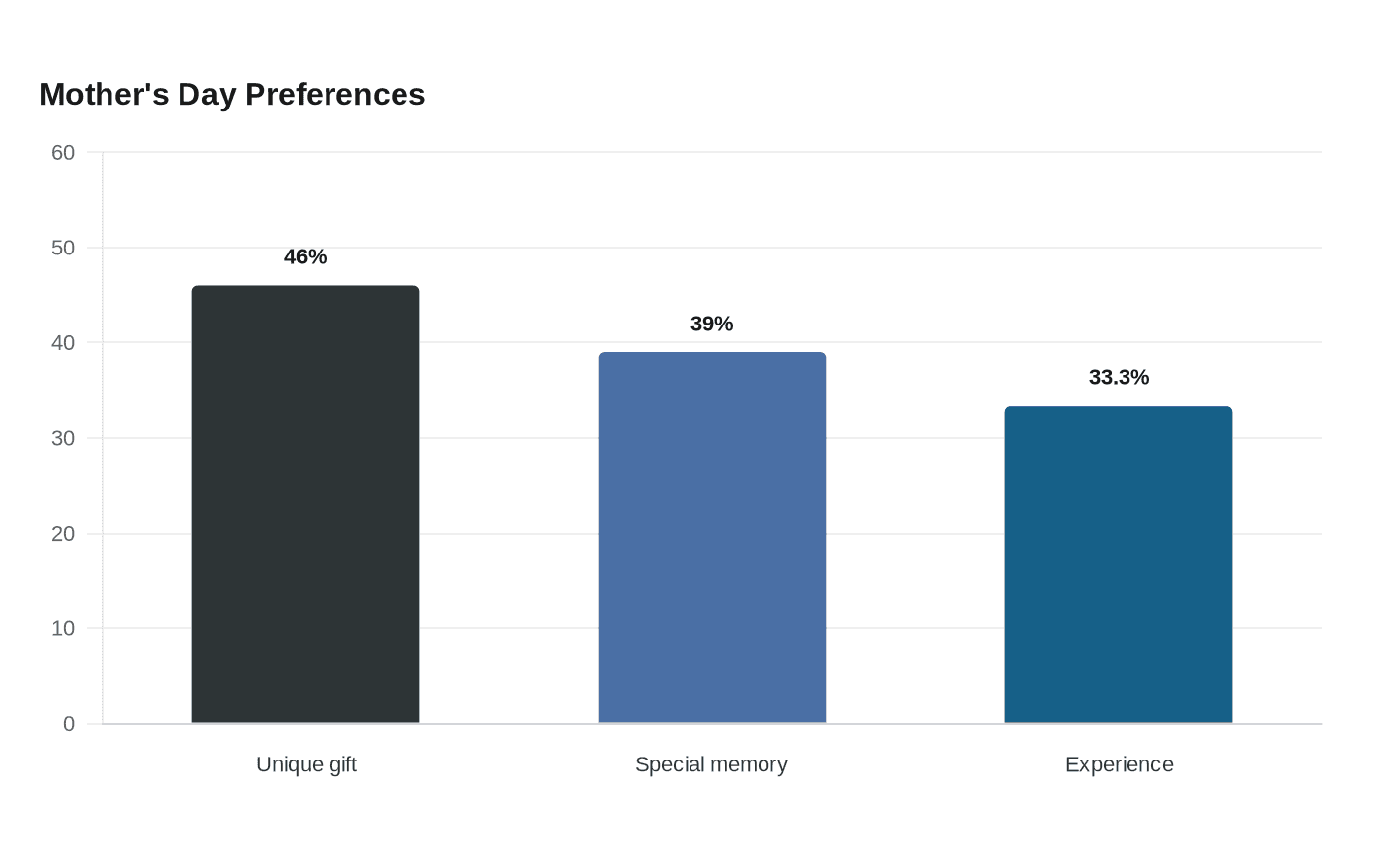
That approach lands at the right moment. The National Retail Federation expects U.S. Mother’s Day spending to reach a record $38 billion, with 84% of adults planning to celebrate and average spending projected at $284.25 per person. Even with that much money in motion, the winning instinct is not necessarily bigger spending. The NRF says 46% of shoppers want something unique or different, 39% want to create a special memory, and one-third plan to give an experience. In other words, thoughtful beats expensive when the gift feels specific.
Why the digital frame feels so current
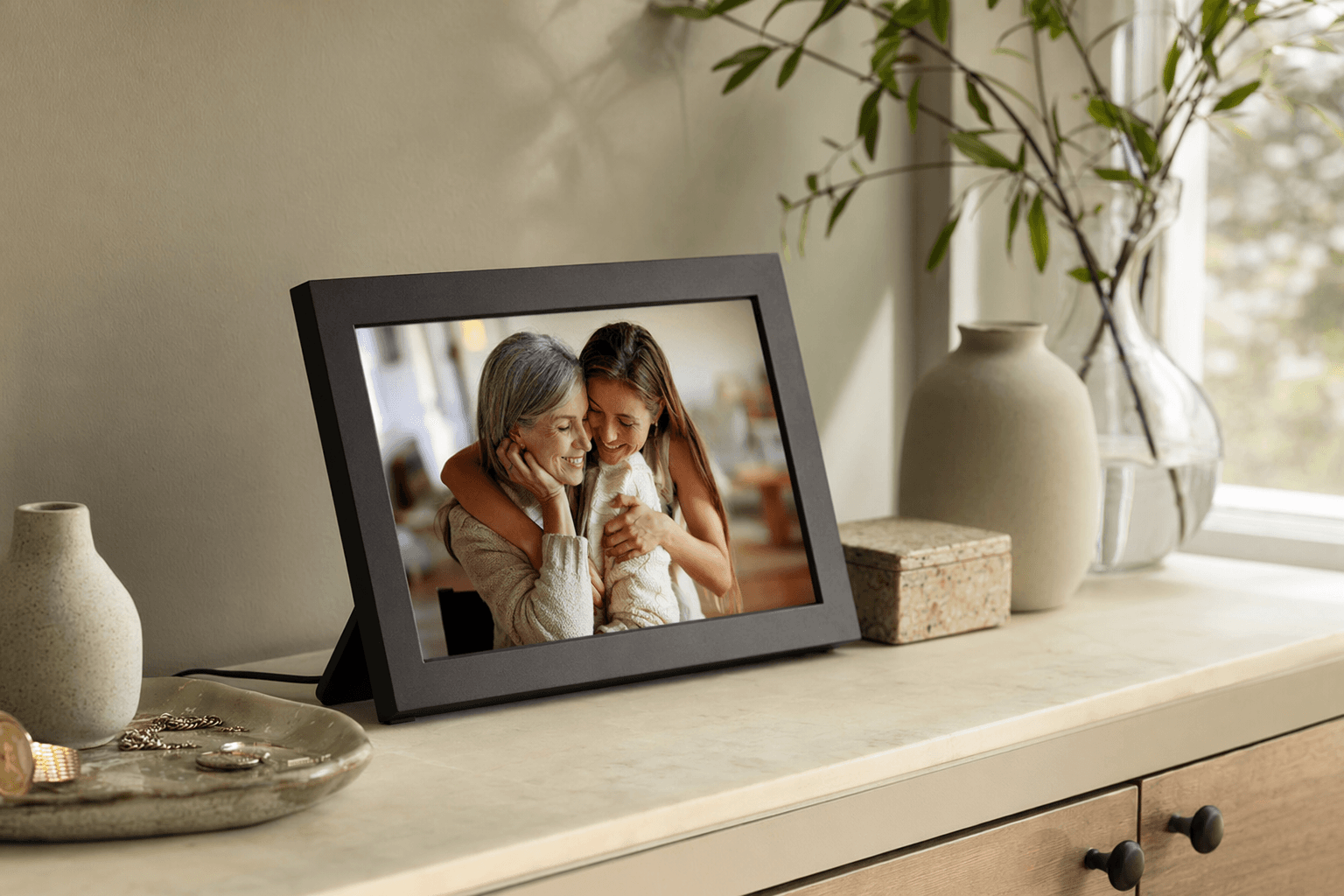
The standout idea is a digital photo frame, because it solves a modern problem elegantly: most of the best photos live scattered across phones, not printed in albums. A frame turns those buried images into a living display, so family photos, vacation snapshots, and everyday moments can rotate without any extra effort from the recipient. It is a gift with very little friction and a lot of emotional return, which is why it feels more intimate than another decorative object.
Cup of Jo describes the frame as an easy way to share and display favorite photos, and notes that the writer’s mom, aunt Lulu, and the writer all have one and love it. That matters. A gift becomes more convincing when it works across generations and households, especially for parents and grandparents who may not want another thing to manage. Current retail listings for Frameo-style frames underline the appeal: Wi-Fi sharing, app-based photo sending from anywhere, touch screens, auto-rotate, and 32GB storage are now common features, which means the frame is built to be low-maintenance as well as sentimental.
Price helps too. Cup of Jo includes a frame starting at $179, along with a $25 discount code, CUPOFJO. That puts it squarely in the meaningful-gift category, not impulse territory, but it is still easier to justify than many jewelry or handbag purchases because the value comes from repeated use. Every new photo that appears on the screen extends the gift’s life.
The smallest gift in the guide may be the most persuasive
If the frame feels like too much for your budget or your timeline, the guide’s other best idea is almost disarmingly simple: a card listing all the reasons you love her, priced at $7. That is the sort of gift that can land far harder than something costlier, because it trades scale for specificity. A mother does not need a generic sentiment when she can have a list of actual memories, habits, and small things she has done that nobody else would know to notice.
The beauty of that card is that it answers the question many last-minute shoppers are really asking: how do I make something feel personal without overcomplicating it? The answer is by saying the thing plainly. A few precise lines can feel more luxurious than a bigger present because they cannot be mass-produced, wrapped in cellophane, or replaced by an algorithm.
When time together is the gift
The guide also points toward something even less complicated: spending time together over coffee, lunch, dinner, a movie, or a walk. That may sound modest next to a high-tech frame, but it captures what many people are actually reaching for on Mother’s Day, which is attention without agenda. A simple plan can be more restorative than a packed day of errands or a formal restaurant booking, especially when the goal is to make room for conversation.
This is where the NRF’s spending data becomes useful rather than intimidating. With one-third of shoppers planning to give experiences such as a concert or sporting event, the holiday is clearly moving beyond objects alone. Flowers, greeting cards, special outings, gift cards, clothing and accessories, jewelry, and electronics all remain major categories, but the emotional center of the day is increasingly about memory-making. A coffee date or a walk can carry the same feeling as a more expensive gesture because it gives the relationship time to breathe.
A holiday built around the personal, not the polished
Mother’s Day has always had that personal core. Anna Jarvis organized the first Mother’s Day church service in 1908, and the holiday became a national holiday in 1914. Jarvis later opposed the commercialization that followed, arguing that it should remain a personal day. That history makes today’s most thoughtful gifts feel especially apt: the frame, the note, the walk, the long conversation over lunch all honor the holiday’s original spirit better than anything overly polished ever could.
There is also a small but important permission built into the modern guide: if Mother’s Day is complicated for you, you can skip the holiday. That acknowledgment matters because not every relationship can be flattened into a perfect brunch and a bouquet. A graceful pause can be the most honest choice, and honesty is its own form of care.
Why this kind of gift works now
The broader market tells the same story. With electronics projected to top $4.4 billion in Mother’s Day spending, digital frames sit in an interesting middle ground, part practical gadget, part family archive. They are not trying to replace flowers or cards. They are making room for a more lasting kind of gift, one that can be updated from anywhere and enjoyed every day.
That is the real appeal of the personal-gift trend: it lowers the stress of choosing without lowering the emotional stakes. A digital frame turns a camera roll into something visible, a $7 card turns gratitude into language, and a shared meal turns time into memory. Together, they make Mother’s Day feel less like a shopping assignment and more like a chance to give something that actually enters her life.
This article was produced by Prism’s automated news system from verified source data, official records, and press releases, then run through automated quality and moderation checks before publishing. The system is built and supervised by the people who set the standards it runs under. Read our full AI policy.
Did this article answer your question?