Hand-embroidered Mexico World Cup jerseys spotlight Indigenous artisans
A run of 2,026 hand-embroidered Mexico World Cup jerseys turned fan gear into a collectible, with each shirt signed inside and tagged to its maker.
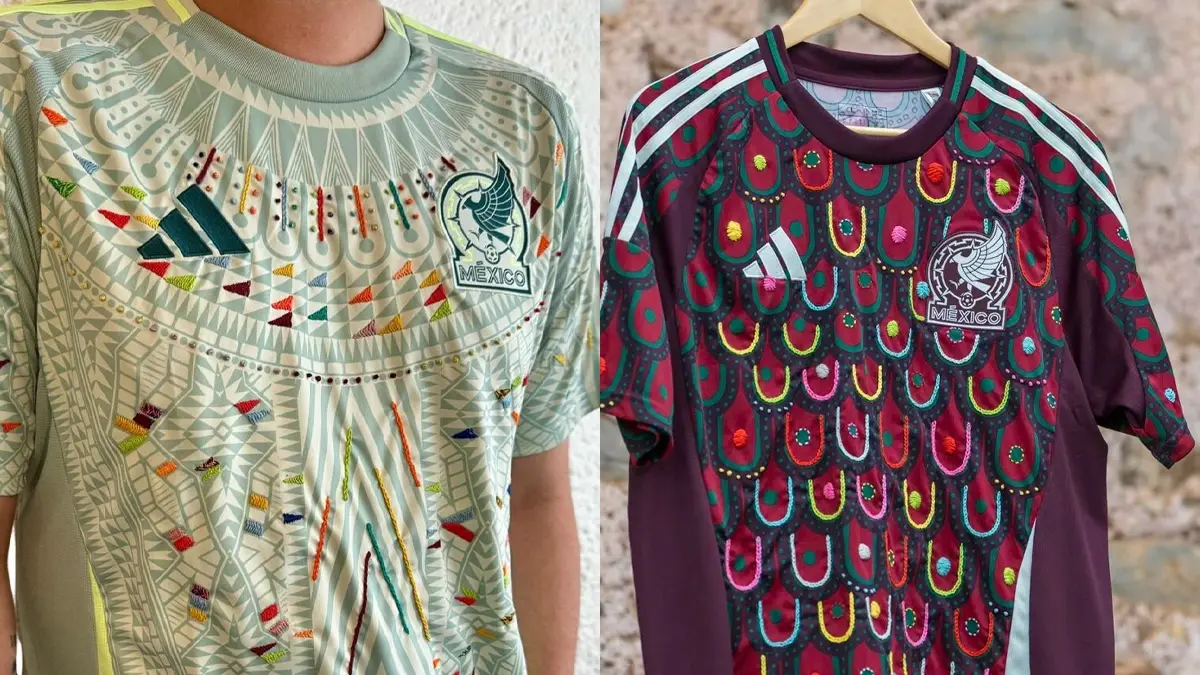
More than 150 Indigenous artisans turned Mexico’s latest World Cup jersey into something closer to a collectible object than a piece of stadium merchandise. The limited-edition shirt launched on May 18, and each of the 2,026 jerseys was hand-embroidered by women in Sierra Norte de Puebla and Naupan, Puebla, then signed inside by the woman who stitched it and fitted with a QR code that identifies her and her home community.
The collaboration between adidas and Someone Somewhere was built around Mexico’s third time hosting a World Cup, with the tournament kicking off on June 11. adidas positioned the project as a blend of modern design, traditional Mexican craftsmanship and social impact, and the broader seven-piece collection was built to support more than 300 artisans across seven Mexican states through 165,000 hours of paid artisan labor.
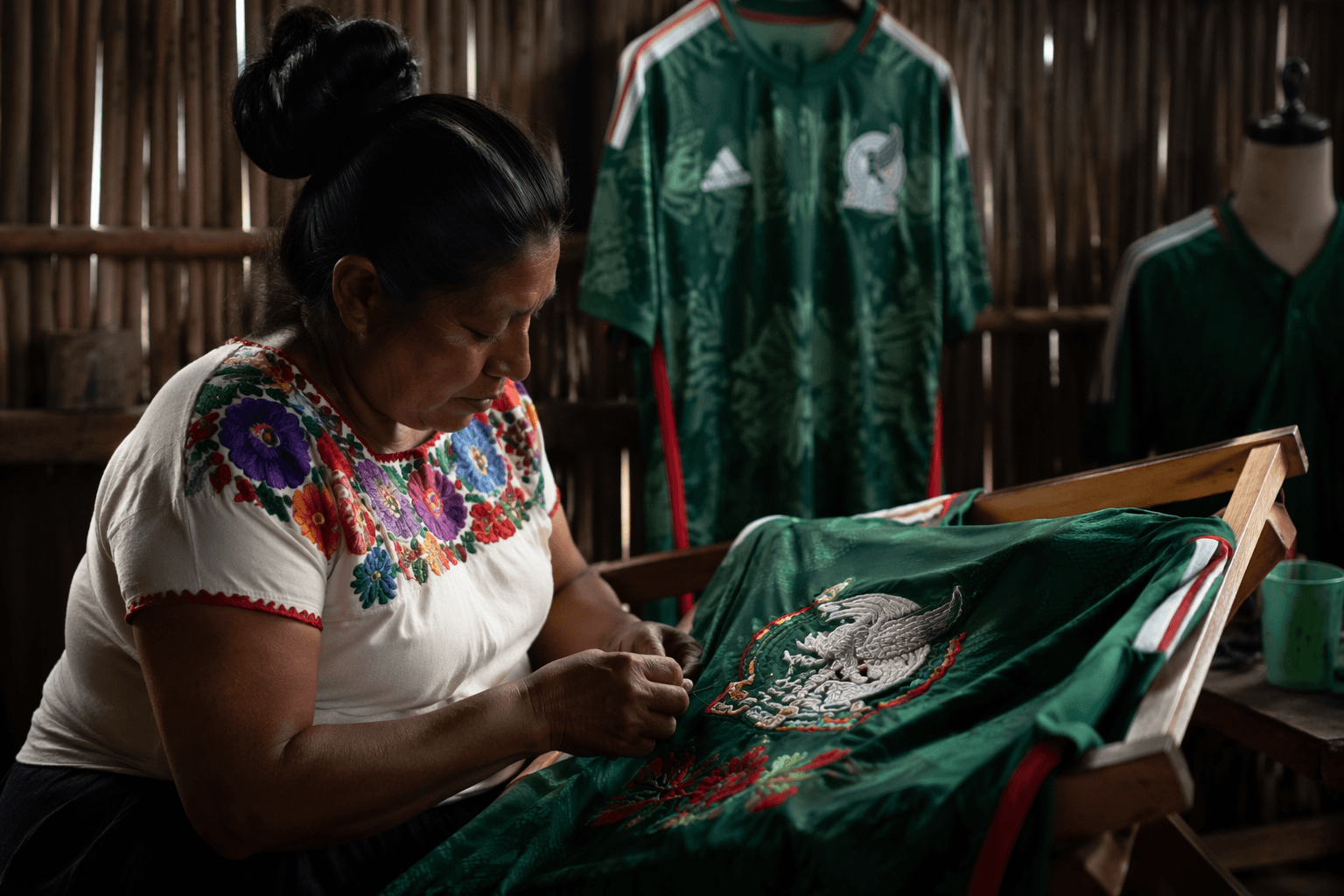
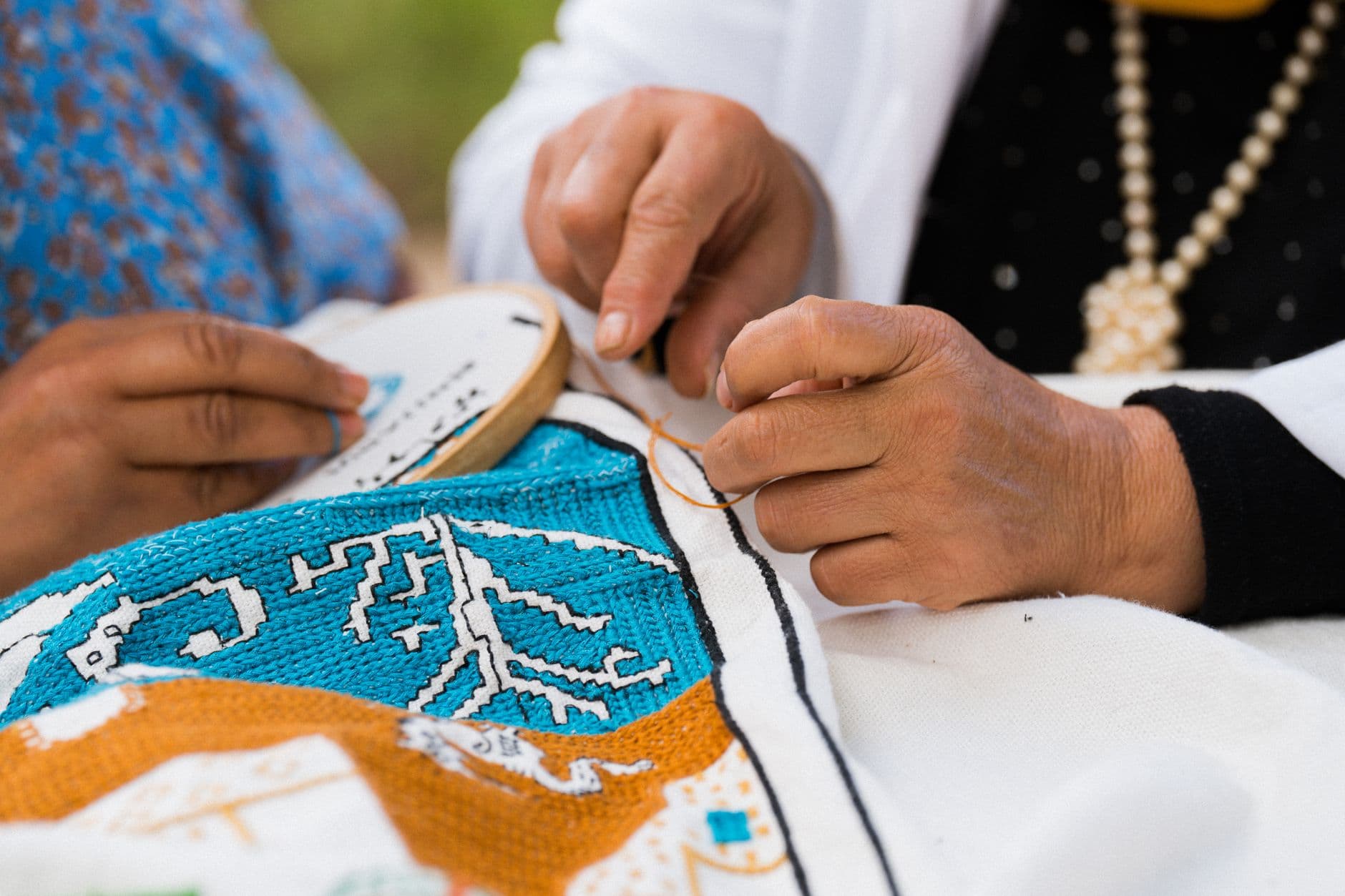
What makes the shirt so different from standard national-team kit is the way it turns personalization into provenance. The signature hidden inside the jersey, the QR code and the hand embroidery all make the maker part of the object itself. For anyone buying a gift that needs to feel scarce, specific and deeply tied to identity, that is the appeal: not just a Mexico shirt, but a numbered piece with a traceable human story.
The women behind the work are not anonymous hands. Catalina Secundino Pérez and Petra Secundino Pérez, who lead Mujeres Unidas Chakalxochitl, have described the embroidery as a way to preserve identity, memory and knowledge while also supporting their families. That matters because the jersey’s value is not only aesthetic. It comes from the relationship between craft, community and income, especially in Naupan, where the work is rooted in Indigenous traditions rather than industrial production.
The release also showed how quickly artisan luxury can become politically charged. Alongside the praise for the craftsmanship came backlash and allegations of exploitation over pay and labor conditions, a reminder that high-profile cultural collaborations are now judged on ethics as much as on design. The jersey went on sale through adidas and at select Mexico City stores, and its rarity, story and labor intensity made it feel less like standard fanwear than a cultural artifact meant to be worn, collected and talked about.
This article was produced by Prism’s automated news system from verified source data, official records, and press releases, then run through automated quality and moderation checks before publishing. The system is built and supervised by the people who set the standards it runs under. Read our full AI policy.
Know something we missed? Have a correction or additional information?
Submit a Tip