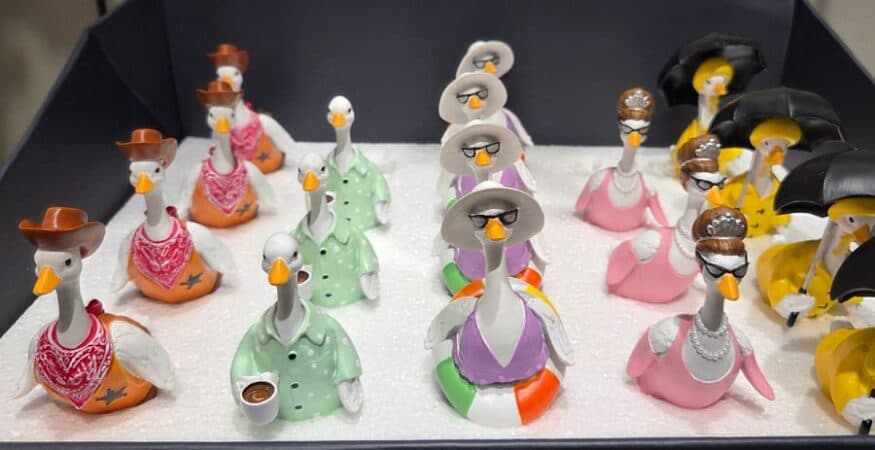
How personalized gifts make giving more meaningful, memorable, and harder to regift
The best personalized gifts feel inevitable, not engraved, because they match the relationship, occasion, and recipient so well they are harder to regift.
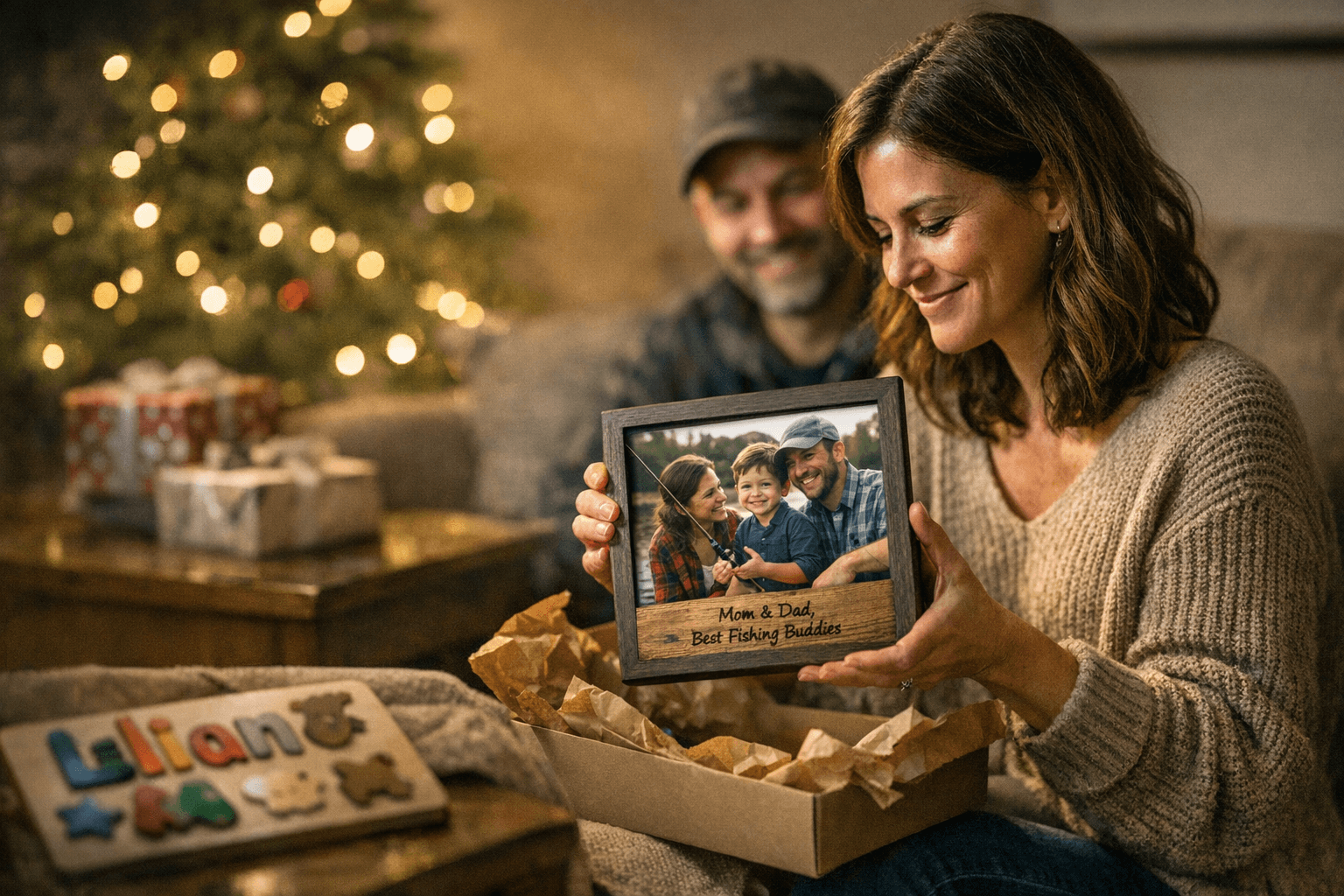
The best personalized gifts do one simple thing: they make an object impossible to confuse with anyone else’s. CNN Underscored’s roundup leans into that idea with initials, names, heritage-driven keepsakes, and a personalized scrapbook, and the appeal is practical as much as emotional, since customized gifts are less likely to be regifted or donated.
When personalization is worth paying for
Personalization earns its keep when it changes how a gift will live in someone’s day. A gift that carries a name, a family reference, or a shared memory feels specific enough to be kept, not passed along, which is why the strongest options are usually tied to a close relationship or a milestone that already has meaning. The American Psychological Association says gift-giving activates brain regions associated with pleasure, social connection, and trust, and that effect is especially strong when the recipient is someone you know well.
That psychological edge is real, but it is not the same as adding a monogram to everything. Research in the Journal of Consumer Research found experiential gifts strengthen relationships more than material gifts, which is why the most memorable personalized presents often feel like experiences captured in physical form, such as a scrapbook, a keepsake, or something that recalls a shared trip, family story, or first year together. Another psychology study found recipients are especially appreciative when a gift matches the giver, not just the person receiving it, which is a useful reminder that your taste, memory, and point of view should show up too.
The smartest last-minute custom gifts
When time is tight, the safest personalization is the kind that is immediate, legible, and hard to overdo. Etsy’s gifting guidance says shoppers should think first about the relationship, the recipient’s preferences, and the occasion before buying, which is exactly how a last-minute gift can still feel considered. Etsy also says personalization is a major gifting trend on its marketplace, and in a 2019 survey, 9 out of 10 buyers reported buying a gift on Etsy in the prior year.
The most effective quick-turn personalization is often the simplest:
- A name added to something the recipient will actually use
- Initials on a daily carry item that travels with them
- A scrapbook or memory book built around shared photos and dates
- A heritage-driven keepsake that references family, not just style
What makes these work is specificity. A generic item with a rushed engraving can feel like a checkout-page upsell, but a name or date that ties directly to the occasion turns the object into a record of the moment. Etsy’s data suggests shoppers are leaning harder into that kind of thoughtfulness, with 49% of buyers surveyed in late 2020 saying they planned to send more gifts directly to the recipient and 49% saying they planned to be even more thoughtful in the gifts they give.
Family-heritage keepsakes are where personalization feels richest
Heritage-driven gifts are the category that most clearly separates meaningful personalization from decorative branding. A surname, a family reference, or a design that echoes ancestry gives the gift a story larger than the purchase itself, which is why these pieces tend to linger on shelves, dressers, and walls instead of being boxed up after the occasion. They work especially well for weddings, anniversaries, baby gifts, push presents, and other milestones where family identity is part of the point.
This is also where personalization moves beyond surface decoration. A heritage keepsake says the gift belongs to a lineage, not just a person, and that is what makes it harder to regift. It feels less like a trendy add-on and more like an object with a future, something that can be kept, displayed, and eventually handed down.
Budget-friendly name and initial upgrades can still feel luxurious
Low-cost personalization often has the best return because it lets the recipient feel singled out without forcing the gift into luxury territory. A name, an initial, or a short custom detail can transform a mainstream gift into something that feels chosen with care, especially when the item itself is already useful or well made. That is where personalization adds meaning rather than reading as a markup: it should improve recognition, not disguise sameness.
The difference is easy to spot. A cheap object with a flashy custom label usually feels empty. A solid object with one thoughtful detail, by contrast, becomes the thing they reach for every day, which is exactly why personalized gifts are so resistant to regifting. The object is no longer interchangeable, and in gifting, that is often the whole point.
Why the category is now mainstream, not niche
The market tells the same story as the psychology. One 2026 industry forecast puts the global personalized-gifts market at $34.03 billion in 2026 and projects it will climb to $61.66 billion by 2035, with North America expected to account for roughly 34% to 35% of the market. More than 55% of personalized-gift purchases now happen online, which helps explain why shoppers can move quickly without giving up the custom feel.
The larger custom-printing market is expanding too. Grand View Research estimates it was worth $38.10 billion in 2024 and projects it will reach $68.46 billion by 2030, with on-demand printing driving significant growth in the United States. That growth has pushed personalization well beyond cards and novelty items into clothing, home decor, and celebratory merchandise, which is why the best custom gifts now look less like gimmicks and more like the most direct way to make a present feel unmistakably intended.
The enduring appeal of personalized gifting is not that it makes every object precious. It is that it makes the right object impossible to confuse with anyone else’s, which is usually what turns a good gift into one that stays.
This article was produced by Prism’s automated news system from verified source data, official records, and press releases, then run through automated quality and moderation checks before publishing. The system is built and supervised by the people who set the standards it runs under. Read our full AI policy.
Did this article answer your question?