Personalized care packages bring comfort to sick and recovering friends
The smartest get-well package matches the recovery, whether it calls for soup, a monogrammed robe, or a little boredom relief.

Taste of Home’s 28-care-package roundup gets the formula right: stop sending the same “feel better” basket to everyone and match the gift to the recovery. Flu needs comfort, surgery needs ease, burnout needs a lift, and a new diagnosis needs practical help that does not feel clinical.
1. Personalized robe and self-care gift box
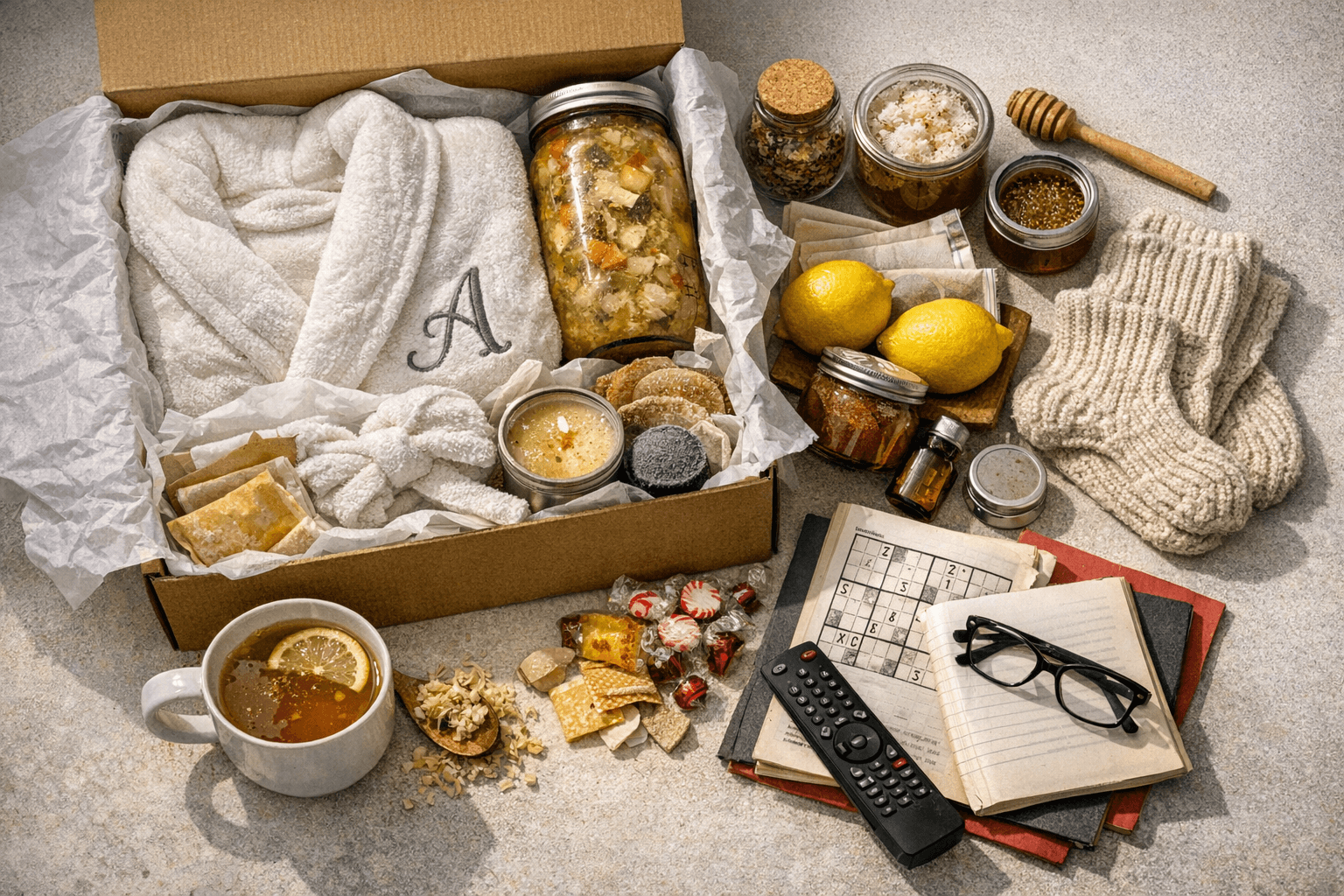
For the friend who is living in bed or on the couch, Harry & David’s Personalized Robe with Self-Care Gift Box is the splurge that actually earns its keep. It can be customized with a monogram, initial, or name, and at $124.99 it feels special without tipping into fussy.
2. Broth-first soup kit
For someone fighting the flu, soup is still the most practical gift in the room. Build a package around easy-to-heat broth, crackers, and a spoon that does not require any effort, because sick people rarely want a project disguised as dinner.
3. Tea and honey set
For the sore-throat crowd, tea plus honey is the reliable move. It works especially well when appetite is low and the only thing a person wants to sip is something warm, gentle, and familiar.
4. Electrolytes and popsicles
For fever days or post-op dehydration, send drinks and frozen treats that replace fluids without feeling heavy. This is the kind of add-on that sounds unglamorous and ends up being the thing someone reaches for first.
5. Tissues, lip balm, and saline spray
For the friend who is stuffed up, this is the most underrated little trio in get-well gifting. It covers the tiny annoyances that make sick days feel endless, which is exactly where a smart package should be useful.
6. Personalized mug or tumbler
For someone who wants a small lift without a full basket, a mug or tumbler with their name or initials makes even plain tea feel considered. It is a simple way to make a practical gift feel like it was chosen for one person, not a crowd.
7. Easy-on loungewear
For surgery recovery, anything that slips on without a struggle is worth more than it looks. A soft layer the recipient can wear while moving slowly around the house is more useful than a cute but complicated outfit.
8. Pill organizer and medication notebook
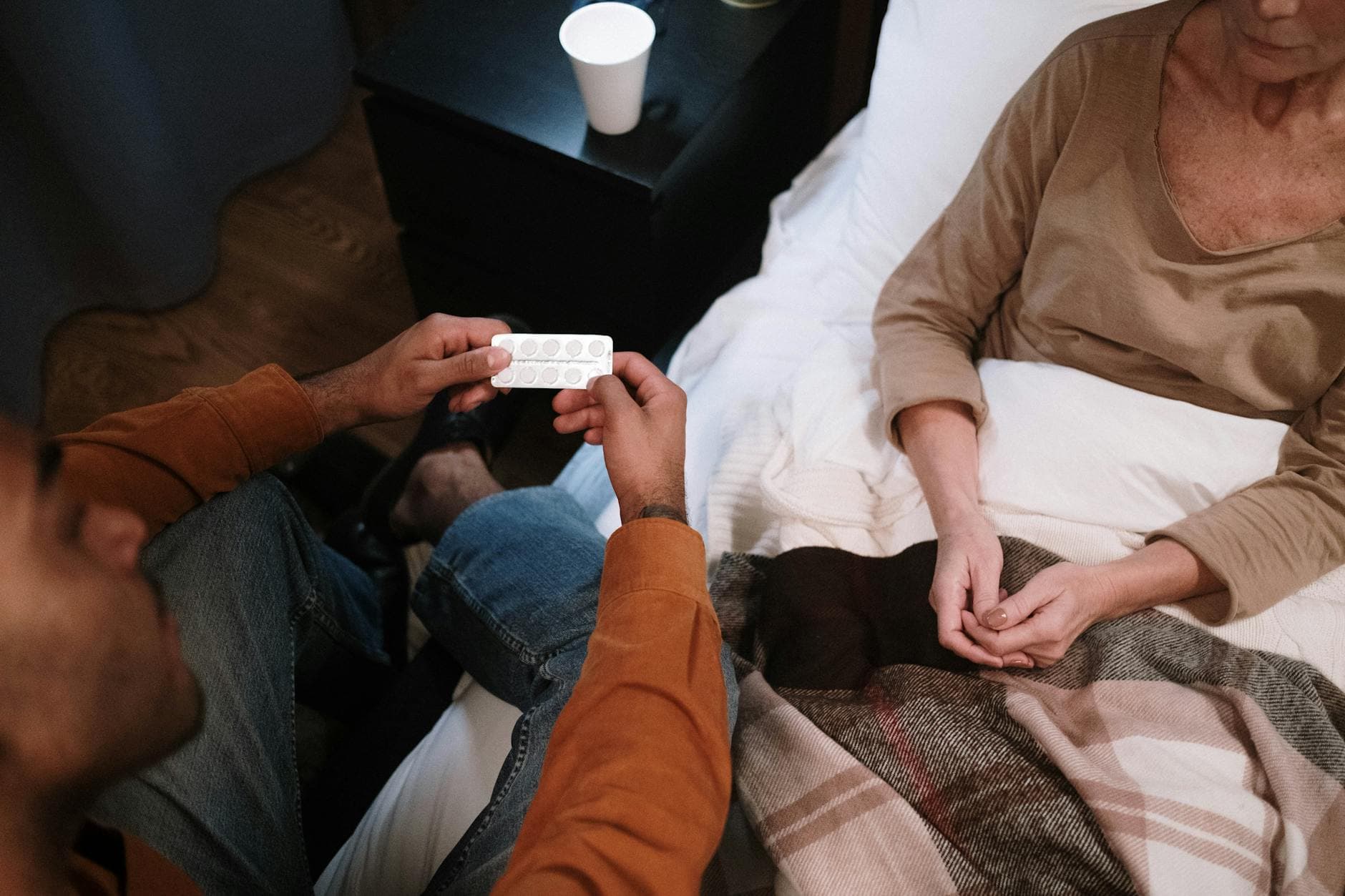
For someone juggling prescriptions after a procedure or new diagnosis, practicality beats prettiness. A pill organizer paired with a simple notebook keeps the day from turning into guesswork, and that kind of help is quietly generous.
9. Wide-mouth water bottle
For anyone who is supposed to hydrate more but cannot keep track of a glass, a sturdy water bottle is the kind of unsexy gift that gets used. It is especially good for people who are moving from bed to chair and back again.
10. Heating pad
For aches, chills, and the general misery of being under the weather, a heating pad is a comfort item with a real job. It is one of those gifts that says you do not need to tough this out alone.
11. Bland snack basket
For the nauseated or newly medicated, a basket of plain snacks is kinder than a sugary overload. Think crackers, toast-friendly bites, and anything soft enough to eat when the stomach is being dramatic.
12. Comfort breakfast kit
For the person who wakes up tired and still has to eat something, a breakfast box with oatmeal, applesauce, and other easy foods does the heavy lifting. It is useful when recovery has made even the first meal of the day feel annoying.
13. Flowers
For burnout, flowers are not frivolous. A fresh arrangement gives a room a pulse again, which matters when someone is emotionally drained and everything around them has started to look the same.
14. Puzzle book
For the friend who needs distraction more than chatter, a puzzle book is perfect. It fills long, low-energy hours without asking for much, and that makes it ideal for recovery days that blur together.
15. Magazine stack
For someone who wants something lighter than a novel, a stack of glossy magazines offers quick, easy reading. It is the right kind of low-stakes boredom relief when attention span is short and energy is shorter.
16. Streaming gift card
For the person who cannot concentrate enough to read but can still watch one episode at a time, a streaming gift card is a lifesaver. It turns recovery into something a little less monotonous, especially when the couch is the only destination.
17. Sleep mask and earplugs
For hospital stays, shared living spaces, or just a noisy house, better sleep starts with fewer interruptions. A sleep mask and earplugs are tiny, practical additions that can make rest feel possible again.
18. Bath soak and body lotion
For someone who is finally allowed to relax but still feels dry, tense, or worn out, a bath-and-lotion pairing is a true self-care upgrade. It suits the burnout package especially well because it makes recovery feel restorative, not clinical.
19. Freezer-ready meals
For a new diagnosis, the best gift is often one that feeds the household without requiring planning. Freezer meals are the kind of support that reduces daily friction at exactly the moment life feels more complicated.
20. Low-sodium snack box
For people managing blood pressure, heart concerns, or other diet limits, the snack basket needs more thought. A low-sodium box shows you paid attention, which matters more than a pile of random treats they cannot eat.
21. Appointment notebook and pen
For anyone stepping into a long treatment process, a clean notebook becomes a command center. It is where questions, medication notes, and appointment times live, and that kind of order can be a relief all by itself.
22. Fruit and yogurt basket
For the person whose appetite is fragile but who still needs something nourishing, fresh fruit and simple dairy snacks feel calm and manageable. This is a gentler option than a sugar-heavy basket and often a better fit for daytime snacking.
23. Easy card deck or board game
For at-home rest that stretches past a few days, a small game gives the household something to do together. It is a better boredom cure than endless scrolling and works well when the recipient has enough energy for a short distraction.
24. Throw blanket and fuzzy socks
For the friend who is always cold while recovering, softness matters. A blanket and warm socks are classic for a reason, because they turn the couch into a place that feels intentional instead of accidental.
25. Audiobook or podcast subscription
For someone too tired to focus on pages, audio is the answer. It keeps them company without asking for much, which is ideal when the body is resting but the mind still wants company.
26. Lap desk or tray table
For the person eating, writing, or working from bed, a lap desk turns a miserable setup into a usable one. It is especially thoughtful for surgery recovery, when convenience matters more than style.
27. Handwritten card and photo prints
For a friend who needs an emotional lift, personal notes still carry more weight than anything store-bought. A few printed photos or a handwritten card can make a care package feel like it came from someone who actually knows them.
28. Build-your-own box or monthly subscription
For the recipient whose recovery is dragging on, ongoing support is smarter than one perfect drop-off. Taste of Home’s comfort-gift approach makes sense here, because a build-your-own box or monthly subscription keeps care going after the first wave of sympathy fades.
The best get-well gift is not the prettiest one. It is the one that makes eating, resting, and getting through the day a little easier when someone needs it most.
This article was produced by Prism’s automated news system from verified source data, official records, and press releases, then run through automated quality and moderation checks before publishing. The system is built and supervised by the people who set the standards it runs under. Read our full AI policy.
Did this article answer your question?